Dating Trends Driven by Younger Generations: A Modern Guide
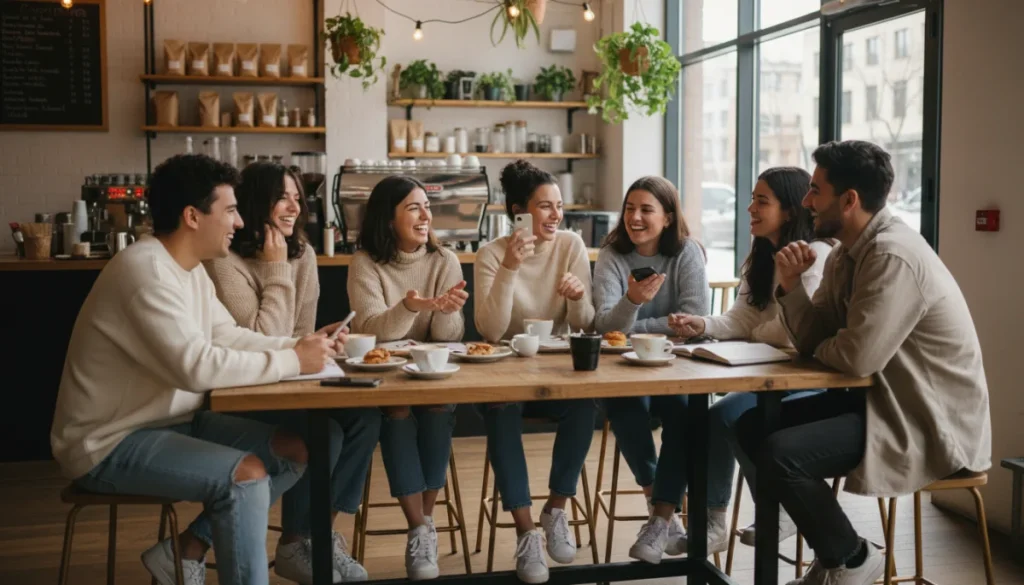
Younger generations are fundamentally reshaping dating norms, prioritizing authenticity, emotional intelligence, and digital fluency, leading to a dynamic evolution in how connections are formed and maintained in the modern era.
The landscape of romance is constantly shifting, and nowhere is this more evident than in the ways younger generations approach relationships. Understanding the latest younger generations dating trends is crucial for anyone navigating the modern romantic world, offering insights into evolving expectations, communication styles, and the very essence of connection.
The digital revolution and dating apps
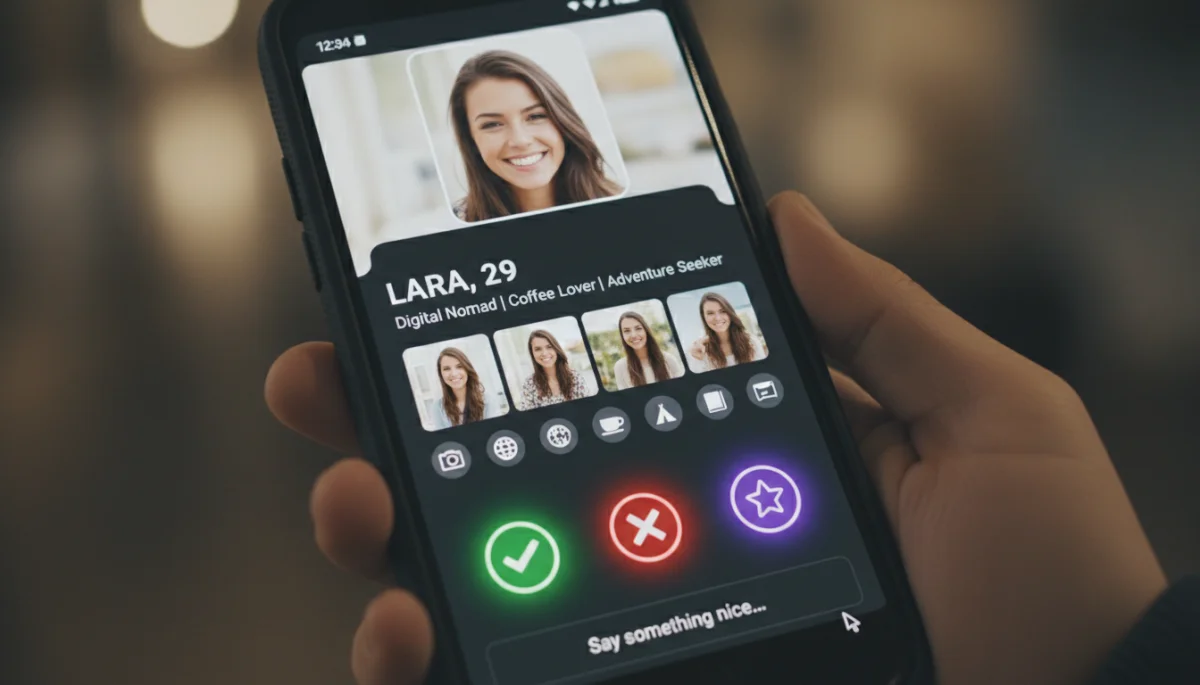
The advent of dating apps has irrevocably altered how individuals meet and interact, becoming an indispensable tool for younger generations. These platforms offer unparalleled access to potential partners, transcending geographical and social barriers that once limited romantic opportunities. The sheer volume of choices, however, also introduces new complexities and behavioral patterns.
For many, dating apps are no longer a last resort but a primary method for initiating romantic connections. This digital-first approach means that first impressions are often formed through carefully curated profiles, where authenticity battles with aspiration. Younger users have become adept at deciphering subtle cues and navigating the often-superficial nature of these platforms.
The rise of niche dating apps
- Shared interests: Apps focusing on specific hobbies, beliefs, or lifestyles (e.g., dog lovers, specific religious groups) allow for deeper initial compatibility.
- Identity-focused platforms: Catering to LGBTQ+ communities or specific cultural backgrounds, these apps foster inclusive spaces for connection.
- Ethical consumption: Some apps now align with users’ values, such as sustainability or social justice, reflecting a broader shift in priorities.
The proliferation of niche dating apps signifies a desire among younger generations to find partners who align with their core values and life philosophies from the outset. This move away from purely superficial matching towards more substantive common ground highlights a deeper quest for meaningful connections.
Ultimately, dating apps have become a double-edged sword: offering convenience and choice, but also demanding a higher degree of self-awareness and resilience to navigate their inherent challenges. Younger generations are not just passive users; they are actively shaping how these platforms are utilized, pushing for features that support more authentic and intentional interactions.
Authenticity and emotional intelligence
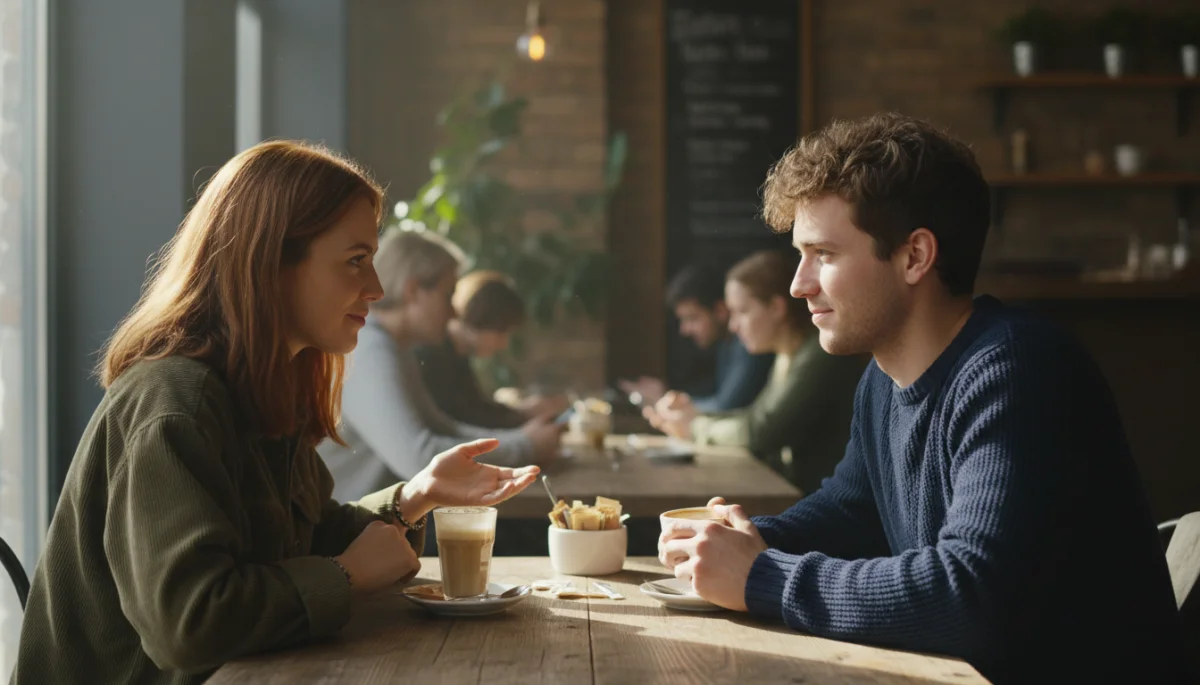
A significant shift in younger generations dating trends is the strong emphasis on authenticity and emotional intelligence. Superficiality is out; genuine connection and vulnerability are in. This isn’t just a buzzword; it’s a fundamental re-evaluation of what makes a relationship truly fulfilling and sustainable.
Younger daters are increasingly prioritizing partners who are self-aware, articulate their feelings openly, and demonstrate empathy. This quest for emotional depth stems from a desire for more secure and meaningful bonds, moving away from the more performative aspects of dating that might have characterized previous eras. They seek partners who are comfortable with their true selves and encourage the same in others.
Communicating emotions openly
Gone are the days when playing ‘hard to get’ was seen as a desirable strategy. Younger generations value directness and clarity in communication, especially when it comes to feelings. This doesn’t mean a lack of mystery, but rather an expectation of honesty and transparency early on. They are more likely to discuss boundaries, expectations, and emotional needs upfront, fostering a healthier foundation for potential relationships.
- Setting boundaries: Openly discussing personal limits and comfort zones is now a norm, promoting mutual respect.
- Expressing needs: Articulating what one seeks in a relationship, both emotionally and practically, helps avoid misunderstandings.
- Active listening: Genuine engagement and validation of a partner’s feelings are highly valued, indicating emotional maturity.
The focus on emotional intelligence extends beyond just personal expression; it also involves the ability to understand and respond appropriately to a partner’s emotional state. This reciprocal empathy is seen as a cornerstone of a healthy relationship, distinguishing it from purely transactional or superficial interactions.
In essence, the drive for authenticity and emotional intelligence reflects a maturation in dating values. Younger generations are not just looking for a partner; they are seeking a co-pilot who can navigate the complexities of life with genuine understanding and shared vulnerability.
The blurring lines of commitment and ‘situationships’
One of the more nuanced younger generations dating trends is the evolving definition of commitment, leading to the rise of ‘situationships.’ These are ambiguous relationships that possess the emotional and physical intimacy of a partnership but lack formal labels or defined boundaries. They exist in a gray area, often driven by a desire for connection without the perceived pressures of traditional commitment.
The concept of a situationship can be both liberating and frustrating. For some, it offers flexibility and a lower-stakes way to explore compatibility without the immediate expectation of a long-term future. For others, it can lead to confusion, emotional limbo, and unfulfilled expectations, as one person may desire more clarity than the other. This trend reflects a broader cultural shift towards delayed milestones and a more fluid approach to life paths.
Defining ‘situationships’ and their impact
A situationship is characterized by a lack of explicit communication about the relationship’s status or future. While two people might regularly spend time together, share intimate moments, and even meet each other’s friends, the crucial conversation about ‘what are we?’ remains unaddressed or deliberately avoided. This ambiguity can stem from various factors, including fear of commitment, a desire to keep options open, or simply a lack of clarity about one’s own desires.
- Lack of labels: The absence of terms like ‘boyfriend,’ ‘girlfriend,’ or ‘partner’ keeps the relationship undefined.
- Undefined future: There’s no clear discussion or mutual understanding of where the relationship is headed.
- Emotional entanglement: Despite the lack of labels, significant emotional and often physical intimacy is present.
Navigating a situationship requires a high degree of self-awareness and honest communication, even if that communication is about the desire to maintain ambiguity. Younger daters are learning to articulate their needs within these fluid dynamics, though it often comes with a learning curve.
The prevalence of situationships highlights a tension between the desire for deep connection and a reluctance to fully commit, possibly influenced by societal pressures, economic uncertainties, or a greater focus on individual growth before coupling. Understanding this trend is key to comprehending the contemporary dating experience.
Social media’s omnipresence in dating
Social media platforms have become inextricably linked with modern dating, influencing everything from initial attraction to relationship dynamics. For younger generations, these platforms are not just for connecting with friends; they are integral to vetting potential partners, showcasing personal brands, and even managing relationship status. This omnipresence creates both opportunities and challenges in the romantic sphere.
Before a first date, it’s common for individuals to ‘background check’ potential partners on Instagram, TikTok, or LinkedIn. This digital reconnaissance provides insights into interests, social circles, and even values, shaping expectations before a face-to-face meeting. Post-date, social media can serve as a space for continued interaction, ‘soft launching’ a relationship, or even subtly communicating interest.
Digital footprint and personal branding
The way younger generations curate their online presence significantly impacts their dating prospects. A well-maintained social media profile, reflecting genuine interests and a positive self-image, can be a major draw. Conversely, an inconsistent or controversial online footprint can be a deterrent, as it offers a window into potential incompatibilities.
- Curated self-image: Profiles are carefully managed to present a desirable persona, reflecting aspirations and lifestyle.
- Shared experiences: Posting about activities and interests helps attract like-minded individuals.
- Social proof: Interactions with friends and followers can validate one’s social standing and desirability.
However, the curated nature of social media also poses challenges to authenticity. The pressure to present a perfect image can lead to misrepresentation, making it harder to discern genuine personality from online persona. Younger daters are increasingly savvy about spotting these discrepancies, valuing transparency over hyper-perfection.
Ultimately, social media has transformed dating into a more public and performative act, where personal branding and digital savvy play a crucial role. Navigating this landscape requires a delicate balance between showcasing one’s best self and maintaining genuine authenticity.
Prioritizing personal growth and self-care
A distinctive aspect of younger generations dating trends is the strong emphasis on personal growth and self-care, often prioritized even above finding a romantic partner. This self-first approach reflects a broader cultural shift towards individual well-being and a recognition that a healthy relationship often stems from a healthy self. Dating is no longer about finding someone to complete you, but rather someone to complement your already fulfilling life.
This means younger daters are more likely to take breaks from dating to focus on their careers, mental health, or personal development. They understand that rushing into a relationship or settling for less can be detrimental to their overall happiness. This intentionality in dating contrasts with previous generations who might have felt more pressure to couple up early in life.
The ‘single by choice’ phenomenon
The choice to remain single, or to take extended breaks from dating, is becoming increasingly normalized and even celebrated. This isn’t necessarily a rejection of relationships, but rather an affirmation of self-worth and a commitment to personal goals. Younger individuals are less swayed by societal expectations to conform to traditional relationship timelines.
- Career focus: Dedicating time and energy to professional ambitions before seeking a serious partner.
- Mental well-being: Prioritizing therapy, mindfulness, and self-reflection to ensure emotional readiness for a relationship.
- Personal hobbies: Investing in passions and interests, building a rich life independent of a romantic partner.
This focus on self-care also extends into relationships themselves. Younger daters are more likely to advocate for their own needs, set clear boundaries, and exit relationships that do not serve their growth. This assertive approach demonstrates a higher level of self-respect and a refusal to compromise on fundamental well-being.
In conclusion, the prioritization of personal growth and self-care signifies a more mature and introspective approach to dating. Younger generations are building strong foundations within themselves before seeking to build them with others, leading to potentially healthier and more resilient partnerships.
Fluidity in gender and sexual identity
Perhaps one of the most profound and impactful younger generations dating trends is the increasing fluidity and acceptance of diverse gender and sexual identities. Traditional binaries are being challenged and dismantled, creating a more inclusive and expansive dating landscape. This shift isn’t just about tolerance; it’s about genuine understanding, celebration, and the normalization of diverse forms of love and attraction.
For many younger individuals, identity is not a fixed construct but a journey of exploration and self-discovery. This openness translates directly into dating, where individuals are more likely to identify across a spectrum of sexualities (e.g., pansexual, asexual, demisexual) and gender expressions (e.g., non-binary, genderfluid). The dating pool is no longer confined to heterosexual norms, opening up new possibilities for connection.
Expanding definitions of relationships
The acceptance of fluidity extends beyond individual identity to the very nature of relationships. Concepts like polyamory, ethical non-monogamy, and open relationships are gaining traction, reflecting a desire for relationship structures that better suit individual needs and desires, rather than adhering strictly to conventional monogamy.
- Polyamory: Engaging in multiple consensual romantic relationships simultaneously, based on honesty and communication.
- Ethical non-monogamy: A broad term for relationships where partners agree to have romantic or sexual connections with others.
- Queer relationships: Embracing diverse forms of love and partnership that challenge heteronormative assumptions.
This expansive view requires a heightened level of communication, trust, and emotional intelligence. Partners in these fluid relationships must be adept at discussing boundaries, consent, and emotional needs with clarity and respect, ensuring all parties feel valued and secure.
The embracing of fluidity in gender, sexual identity, and relationship structures by younger generations is a powerful force for change. It fosters a more accepting and authentic environment where individuals can pursue connections that truly resonate with their authentic selves, leading to a richer and more diverse tapestry of human relationships.
| Key Trend | Brief Description |
|---|---|
| Digital First Approach | Dating apps and social media are primary tools for meeting and vetting partners. |
| Authenticity & EQ | Prioritizing genuine connection, vulnerability, and strong emotional intelligence. |
| Situationships | Undefined relationships with intimacy but no formal labels or clear future. |
| Fluid Identity | Increased acceptance of diverse gender, sexual identities, and relationship structures. |
Frequently Asked Questions About Modern Dating
A situationship is an undefined romantic relationship lacking clear labels or a committed future, despite emotional and physical intimacy. It’s common as younger generations often prioritize personal growth, fear commitment, or seek flexibility, leading to ambiguous connections that offer intimacy without traditional relationship pressures.
Social media is crucial for vetting potential partners, showcasing personal brands, and managing relationship dynamics. It allows for digital reconnaissance before dates and continued interaction afterward. However, it also creates pressure for curated self-images, potentially blurring authenticity and requiring savvy navigation to discern genuine connections.
Younger generations prioritize authenticity and emotional intelligence because they seek deeper, more meaningful connections beyond superficial interactions. They value partners who are self-aware, communicate openly, and demonstrate empathy, believing these qualities foster healthier, more sustainable relationships built on mutual respect and genuine understanding.
Dating apps remain highly relevant and are often the primary method for younger generations to meet potential partners. While users are increasingly savvy about navigating their complexities, the convenience and vast selection continue to make them indispensable. The trend is towards niche apps that align with specific values, enhancing the search for compatible connections.
The increasing fluidity in gender and sexual identity is creating a more inclusive and expansive dating landscape. Traditional binaries are challenged, leading to greater acceptance of diverse sexualities and gender expressions. This fosters a broader understanding of love and relationship structures, such as polyamory, allowing individuals to pursue connections that genuinely resonate with their authentic selves.
Conclusion
The evolution of dating, significantly shaped by younger generations dating trends, presents a dynamic and often complex landscape. From the pervasive influence of digital platforms and the nuanced world of situationships to the paramount importance of authenticity, emotional intelligence, and personal growth, modern romance is a reflection of a generation that values self-awareness and genuine connection above all else. The increasing acceptance of fluidity in identity further underscores a commitment to inclusivity and individualized relationship paths. Navigating these shifts requires adaptability, open communication, and a willingness to embrace new paradigms. Ultimately, these trends suggest a future where relationships are more intentionally forged, deeply personal, and reflective of a diverse spectrum of human experience, promising more meaningful and authentic connections in the long run.
