Verify Dating Profiles: Spot Fakes & Stay Safe Online
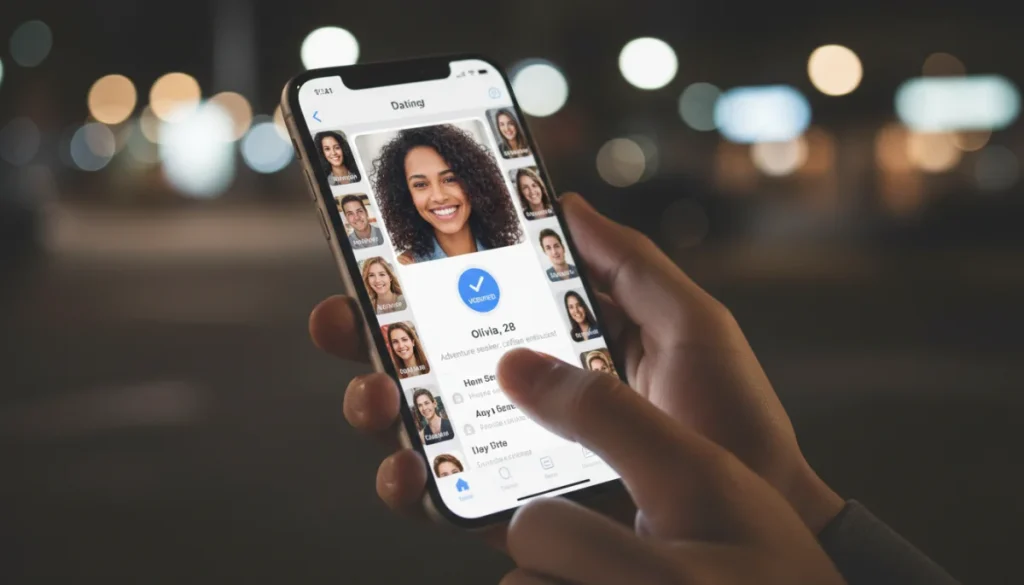
Verifying dating profiles is crucial for online safety, as it empowers users to identify fake accounts and scammers, ensuring a more secure and authentic dating experience on various platforms.
Navigating the world of online dating can be exciting, but it also comes with inherent risks. Learning to verify dating profiles is not just a recommendation; it’s a fundamental skill for anyone seeking genuine connections while staying safe from deceptive practices on dating apps.
The growing challenge of fake profiles on dating apps
The digital age has revolutionized how we meet people, but with convenience comes complexity. Dating apps, while offering a vast pool of potential partners, are unfortunately also fertile ground for individuals with malicious intent. Fake profiles are a persistent problem, designed to deceive, scam, or even harass unsuspecting users.
These fraudulent accounts often use attractive but stolen images, craft compelling but fabricated stories, and exploit emotional vulnerabilities. Understanding the scope of this challenge is the first step toward protecting yourself. It’s not about being cynical, but about being vigilant and informed, recognizing that not everyone online is who they claim to be.
The anatomy of a fake profile
- Stolen photos: Often high-quality, professional-looking images found on stock photo sites or social media of other people.
- Vague or generic descriptions: Bios that lack specific details, use clichés, or seem too good to be true.
- Inconsistent information: Discrepancies between their age, location, profession, or interests across different parts of their profile or in conversation.
- Pressure for quick communication: A common tactic is to push to move off the dating app to another platform (text, WhatsApp, email) very quickly.
Recognizing these patterns is crucial. Scammers often operate with a sense of urgency, trying to establish a connection before you have time to scrutinize their profile. They might claim to be traveling for work, in the military, or facing a personal crisis, all designed to elicit sympathy and bypass typical dating protocols.
The impact of encountering fake profiles extends beyond wasted time; it can lead to emotional distress, financial loss, and a general erosion of trust in online interactions. Therefore, developing a keen eye for these red flags is an indispensable part of a safe online dating journey, ensuring you focus your energy on authentic connections.
Initial red flags: what to look for immediately
When you first encounter a profile, your initial assessment can save you a lot of trouble. There are several immediate red flags that should prompt further investigation or, in some cases, an immediate swipe left or block. These are often the easiest signs to spot and can be strong indicators of a fake account.
First impressions matter, and in the digital dating world, those impressions are based entirely on a profile. If something feels off, trust your gut. Many scammers aren’t particularly sophisticated, relying on sheer volume and the hope that someone will overlook their obvious inconsistencies.
Photo analysis: beyond the smile
The profile picture is often the first thing that catches your eye, but it can also be the biggest giveaway. While a single, professional-looking photo might seem appealing, it can also be a red flag. Real people usually have a variety of photos, showing them in different settings, with friends, or engaging in hobbies.
- Reverse image search: Use tools like Google Images or TinEye to check if their photos appear elsewhere online, especially on stock photo sites or other social media profiles under different names.
- Too perfect or too few photos: A profile with only one or two highly polished, professional photos, or conversely, very blurry and low-quality images, can be suspicious.
- No social media links: Many legitimate dating apps allow linking to Instagram or Facebook. A lack of these, or links to empty or private accounts, can be a warning sign.
Beyond the images themselves, consider the context. Do the photos look like they were taken at different times or by different people? Are there group photos where the individual is hard to identify? These are subtle cues that can indicate a lack of genuine content.
Remember, the goal of a scammer is to create an idealized persona. They want you to be so captivated by the image that you overlook the lack of substance. By actively scrutinizing the visual evidence, you’re adding a crucial layer of protection to your online dating experience.
Digging deeper: scrutinizing profile details and descriptions
Once you’ve passed the initial photo check, it’s time to delve into the written content of the profile. This is where many fake profiles begin to unravel, as scammers often struggle to create detailed, consistent, and genuinely personal narratives. A close read can reveal significant discrepancies.
Genuine profiles typically offer a blend of aspirations, hobbies, and personal anecdotes that paint a picture of a real person. Fake profiles, however, often rely on generic statements, emotional manipulation, or an almost robotic adherence to common dating app tropes.
Analyzing the bio and ‘about me’ sections
- Generic or cliché language: Does the profile sound like it was written by a bot or copied from a template? Look for phrases like ‘I love to laugh,’ ‘I’m looking for my soulmate,’ or overly dramatic declarations of love for travel.
- Lack of specific details: Are there mentions of specific hobbies, favorite books, unique travel experiences, or local spots? A genuine profile usually includes details that make it unique.
- Inconsistencies: Does their stated profession align with their age or lifestyle? Does their location make sense with their claimed interests? Small contradictions can be very telling.
- Poor grammar or spelling: While not always a red flag, an excessive amount of grammatical errors or unusual phrasing can indicate a non-native speaker or someone using translation software, often associated with international scams.
Furthermore, pay attention to what’s missing. A truly empty profile, with just a few words or emojis, is often as suspicious as one that’s overly elaborate yet generic. People looking for genuine connections usually put effort into presenting themselves.

When a profile seems too good to be true, it often is. Scammers understand what people want to hear and will craft their bios accordingly, promising adventure, stability, or profound emotional connection without offering any real substance to back it up. Your skepticism is your best defense.
The conversation test: spotting fakes through interaction
Even if a profile looks legitimate on the surface, the true test often comes during your initial conversations. How someone communicates can reveal far more than their static profile ever could. Scammers and fake profiles often follow predictable communication patterns designed to achieve their goals quickly.
A genuine connection builds gradually, with back-and-forth exchanges that explore shared interests and reveal personality. Fake profiles, on the other hand, tend to rush things, avoid direct questions, or pivot the conversation towards their agenda.
Common conversational red flags
- Rushing to move off the app: A strong indicator of a scammer is their insistence on moving the conversation to text, email, or another messaging platform very early on. They want to avoid app monitoring and create a more private channel for their schemes.
- Overly affectionate or intense language too soon: If someone is declaring strong feelings or using pet names after only a few messages, be wary. Genuine emotional connection takes time to develop.
- Avoiding video calls or in-person meetings: Scammers will often make excuses to avoid video calls or meeting in person, as this would expose their true identity. They might claim to be traveling, working long hours, or having technical issues.
- Asking for personal or financial information: Never share sensitive details like your home address, bank account information, or social security number. Any request for money, gift cards, or financial assistance is a definitive red flag.
- Inconsistent stories: Does their story change over time? Do they forget details they previously shared? This indicates they are fabricating information on the fly.
Engage in open-ended questions that require more than a ‘yes’ or ‘no’ answer. Ask about their daily life, their hobbies, or their opinions on current events. A scammer will often give vague answers or quickly change the subject to avoid revealing too much about their fabricated persona.
Remember, a real person will be eager to share details about themselves and get to know you genuinely. If the conversation feels one-sided, manipulative, or constantly steers towards a specific topic (especially money or personal problems), it’s time to disengage.
Utilizing in-app verification tools and reporting mechanisms
Many dating apps have recognized the growing problem of fake profiles and have implemented their own verification tools and reporting systems. Leveraging these features is a crucial step in ensuring your safety and contributing to a safer community for everyone.
These tools are designed to give users more confidence in the authenticity of the profiles they interact with. While not foolproof, a verified badge can significantly reduce your risk of encountering a scammer. It’s a collective effort to keep the platforms secure.
App-specific verification features
- Photo verification: Many apps now require users to take a real-time selfie that is then compared to their profile photos using AI technology. Look for a ‘verified’ badge on profiles.
- Social media integration: Some apps allow linking to Instagram or Facebook. While not a full verification, it can offer a glimpse into a person’s broader online presence.
- Reporting suspicious activity: If you encounter a fake profile or suspicious behavior, use the app’s reporting feature immediately. This helps the platform remove bad actors and protect other users.
Always prioritize profiles that have undergone some form of in-app verification. While it doesn’t guarantee everything, it adds a layer of confidence that the person behind the profile is at least who they appear to be in their photos.
Reporting is not just about protecting yourself; it’s about protecting the community. When you report a fake profile, you are helping the app providers identify patterns, improve their security measures, and create a more trustworthy environment for everyone. Don’t hesitate to use these tools when something feels wrong.
Protecting your personal information and planning safe meetings
Even with thorough verification, your personal safety remains paramount. Online dating should always lead to real-world interactions if a connection is strong, but these meetings must be planned with caution and a clear focus on security. Protecting your personal information extends beyond the app itself, into how you manage your digital footprint and your real-world interactions.
Never feel pressured to share more than you’re comfortable with. A genuine interest will respect your boundaries. The goal is to move from online interaction to a safe, enjoyable real-life experience, and careful planning is key to achieving that.
Essential safety measures for dating app users
- Keep personal details private: Avoid sharing your full name, workplace, home address, or any other identifying information until you feel completely comfortable and have established trust.
- Google yourself: Understand what information about you is publicly available online. This helps you anticipate what a potential date might find and manage your privacy settings accordingly.
- Meet in public places: Always choose a public location for your first date, like a coffee shop or restaurant. Inform a trusted friend or family member about your plans, including who you’re meeting, where, and when.
- Arrange your own transportation: Avoid getting into a car with someone you’ve just met. Ensure you have your own way to and from the date.
- Trust your instincts: If at any point during a date you feel uncomfortable or unsafe, excuse yourself and leave. Your safety is always the priority.
Before any meeting, consider a quick video call. This is a good way to confirm the person’s identity and get a feel for their personality before meeting in person. It’s a small step that can provide significant peace of mind.
By taking these proactive steps, you significantly reduce risks and empower yourself to enjoy the dating experience more fully. Your journey to finding a meaningful connection should be exciting, not anxiety-inducing, and these safety practices ensure just that.
Empowering your dating journey: building trust and confidence
Ultimately, the goal of online dating is to build genuine connections, and trust is the foundation of any meaningful relationship. While vigilance against fake profiles is necessary, it shouldn’t overshadow the potential for positive experiences. Empowering yourself with knowledge allows you to approach dating apps with confidence, rather than fear.
Understanding how to identify and avoid fake profiles frees you to focus on finding authentic interactions. It shifts the dynamic from passive hope to active, informed participation, making your dating journey more rewarding and secure.
Strategies for a confident and secure dating experience
- Educate yourself continuously: Stay updated on common scam tactics and security best practices. Scammers evolve, and so should your defense mechanisms.
- Set clear boundaries: Know what you’re comfortable sharing and when. Communicate your boundaries clearly and respectfully.
- Don’t rush the process: Genuine connections take time to develop. Resist the urge to accelerate the relationship, especially if pressured by the other person.
- Maintain a positive but cautious mindset: While it’s important to be cautious, don’t let the fear of fakes prevent you from engaging. Balance your skepticism with an open mind.
- Listen to your intuition: Your gut feeling is a powerful tool. If something feels off, even subtly, pay attention to it. It’s often your subconscious picking up on cues you haven’t consciously processed.
By integrating these strategies into your online dating routine, you transform from a potential target into an empowered participant. You gain the ability to discern genuine interest from deceptive tactics, fostering a safer environment for yourself and contributing to a healthier online dating community.
This proactive approach ensures that your pursuit of connection is both exciting and secure, allowing you to fully enjoy the journey of discovering new people without unnecessary risks. Trust yourself, trust the process, but always verify.
| Key Point | Brief Description |
|---|---|
| Recognize Red Flags | Look for inconsistent photos, generic bios, and immediate requests to move off-app. |
| Utilize Verification Tools | Use reverse image search and in-app photo verification features to confirm identity. |
| Safe Communication | Beware of overly affectionate language, requests for money, and avoidance of video calls. |
| Plan Safe Meetings | Always meet in public, inform a friend, and arrange your own transportation. |
Frequently asked questions about dating app safety
To spot a fake photo, perform a reverse image search using tools like Google Images. Look for inconsistencies in photo quality, a lack of diverse pictures, or images that appear on stock photo sites or under different names elsewhere online. Multiple professional-looking photos without any casual ones can also be a red flag.
Beware of bios with generic or cliché language, a lack of specific personal details, or inconsistencies in information like age or location. Profiles that are overly dramatic, focus heavily on future plans too soon, or have excessive grammatical errors can also indicate a fake account or scammer.
You should report a profile immediately if you notice any red flags such as requests for money, attempts to move off the app too quickly, inconsistent stories, or avoidance of video calls. Reporting helps app providers maintain a safer community for all users by removing fraudulent accounts promptly.
Sharing social media links can sometimes help verify identity, but proceed with caution. Ensure your social media profiles are private or curate what’s visible. Avoid linking if your social media contains sensitive personal information. It’s generally safer to share after establishing some trust, not immediately.
For a first date, always meet in a public place, inform a trusted friend of your plans (who, where, when), and arrange your own transportation. Avoid sharing your home address until you feel completely safe. Most importantly, trust your instincts; if you feel uncomfortable, excuse yourself and leave.
Conclusion
Navigating the complex landscape of online dating requires a blend of enthusiasm and vigilance. By diligently verifying user profiles, recognizing common red flags, and adopting smart safety practices, you can significantly enhance your dating app experience. Empowering yourself with these tools not only protects you from potential harm but also allows you to confidently seek out genuine connections, fostering a more authentic and rewarding journey in the digital dating world.
