The Art of Follow-Up: Re-Engage Conversations Effectively

Mastering the art of follow-up is crucial for re-engaging conversations after silence in online dating, transforming stalled interactions into meaningful connections through thoughtful and strategic communication.
Ever found yourself staring at a message thread, wondering how to revive a conversation that went silent? In the fast-paced world of online dating, knowing re-engage conversation after silence is not just a skill; it’s an art that can transform fleeting interactions into lasting connections. This guide will walk you through effective strategies to breathe new life into dormant chats.
Understanding the Silence: Why Conversations Fade
Before you can effectively re-engage, it’s vital to understand why conversations might fade in the first place. Silence can stem from a multitude of reasons, many of which have nothing to do with your initial interaction. People get busy, distracted, or simply forget to reply. Sometimes, the conversation might have naturally reached a pause point without a clear next step. Recognizing these potential causes helps in approaching the follow-up with empathy and a non-judgmental attitude.
It’s easy to jump to conclusions, assuming disinterest or offense, but this is often not the case. The digital realm offers countless distractions, and a message can easily get lost in a sea of notifications. Understanding these dynamics is the first step in mastering the art of the follow-up. Approaching the situation with a calm and analytical mindset allows for a more strategic and less emotionally charged response.
Common Reasons for Silence
- Overwhelm or Busyness: Life happens, and people often have demanding schedules that can lead to delayed responses or forgotten messages.
- Lack of a Clear Call to Action: If the last message didn’t invite a specific response or pose a question, the other person might not know how to continue.
- Distraction and Notification Fatigue: Dating apps are just one of many digital platforms vying for attention, making it easy for messages to get overlooked.
- Uncertainty on Their Part: They might be unsure how to proceed, or feeling hesitant about the connection, leading to a pause.
By considering these factors, you can tailor your follow-up to address potential issues without placing blame. This approach fosters a more positive and open environment for re-engagement. The goal isn’t to force a response, but to gently open the door for renewed interaction, making it easy and appealing for the other person to step back into the conversation. Empathy and understanding are your strongest allies here.
The Golden Rule of Timing: When to Follow Up
Timing is everything when it comes to re-engaging a conversation. Sending a follow-up too soon might come across as pushy or desperate, while waiting too long could mean the connection has completely fizzled out. The sweet spot usually lies within a few days to a week after the last message. This allows enough time for the other person to genuinely be busy or distracted, without letting the initial spark completely die.
Consider the context of your last exchange. Was it a deep conversation or a casual chat? The nature of the previous interaction can influence appropriate timing. A more significant discussion might warrant a slightly quicker follow-up, while a light, introductory chat might benefit from a bit more space. Flexibility and intuition play a crucial role, but a general guideline can certainly help.
Optimal Timing Strategies
- 2-3 Days After: For initial, casual conversations or when you felt a good immediate connection. This shows continued interest without being overbearing.
- Up to a Week: If the conversation was more substantive or if you suspect they might be genuinely busy. A week provides ample time for them to get back to you naturally.
- Avoid the Immediate Follow-Up: Resist the urge to send another message within hours. Give them space and time to respond organically.
The key is to strike a balance between showing consistent interest and respecting their space. A well-timed follow-up demonstrates thoughtfulness and patience, qualities that are highly attractive in any interaction. It communicates that you value the conversation but are also understanding of external factors. This delicate balance is what distinguishes a successful re-engagement from an intrusive one, ensuring your attempt to re-engage conversation after silence is well-received.
Crafting the Perfect Follow-Up Message: What to Say
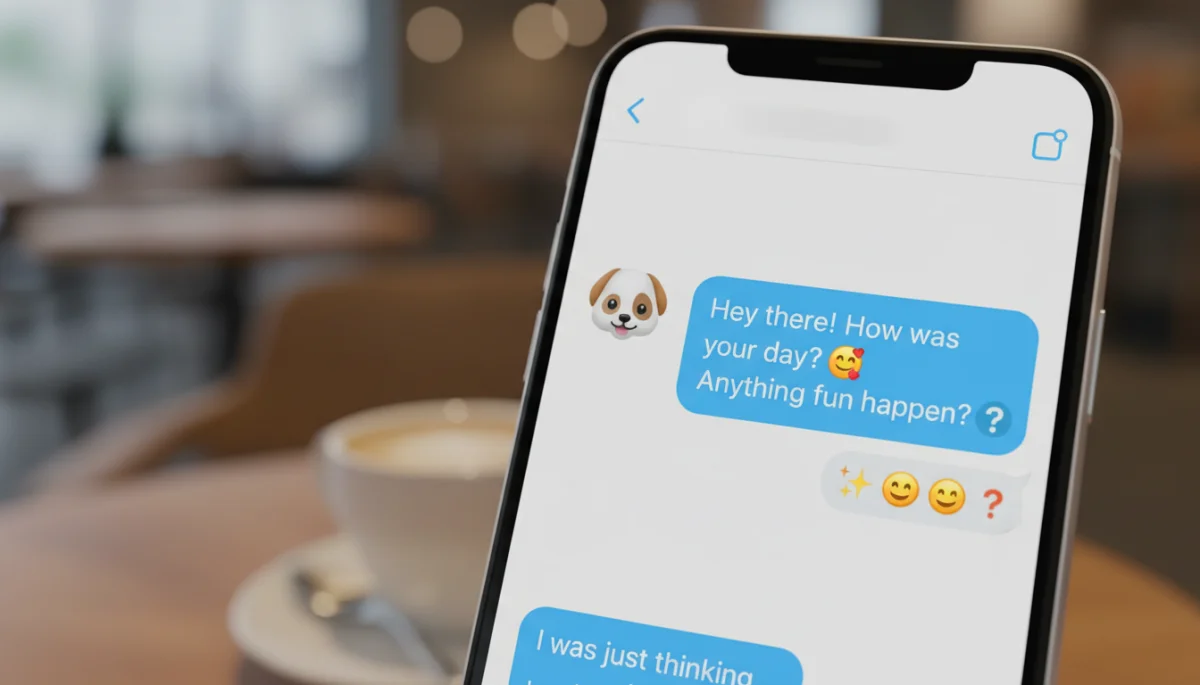
Once you’ve determined the right time, the next challenge is crafting a message that is both effective and authentic. Your follow-up should be light, non-demanding, and provide an easy entry point for the other person to respond. Reference something specific from your previous conversation to show you remember and value your exchange. This personalized touch makes a significant difference.
Avoid accusatory language like, “Why haven’t you responded?” or “Did I say something wrong?” Such messages put the other person on the defensive and are unlikely to elicit a positive response. Instead, focus on curiosity and genuine interest. The goal is to reignite the spark, not to interrogate them. A gentle nudge is far more effective than a forceful push.
Elements of an Effective Follow-Up
- Personalized Reference: “I was just thinking about [topic you discussed] and wanted to share [related thought/question].”
- Light and Easy Tone: Keep it casual and friendly. A simple “Hey, how’s your week going?” can sometimes be enough if it’s been a short silence.
- Open-Ended Question: Encourage a response that requires more than a yes/no answer. “What are your plans for the weekend?” or “Did you ever [do the thing you talked about]?”
- New Information or Observation: Share something new and relevant. “Saw this [article/movie/event] and it reminded me of our chat about [topic].”
The best follow-up messages are those that feel natural and extend the previous conversation rather than starting a new one from scratch. They show that you’re engaged and attentive, without being overly persistent. By offering an easy way to pick up where you left off, you increase the likelihood of a positive reply, effectively helping you to re-engage conversation after silence with grace.
Strategies for Different Scenarios: Tailoring Your Approach
Not all silences are created equal, and neither should your follow-up messages be. The strategy you employ should depend on the context of the previous conversation and the duration of the silence. A brief pause after a first message requires a different approach than a long silence after several exchanges or a planned date.
For example, if the conversation went silent after a witty exchange, a lighthearted, humorous follow-up might be appropriate. If it was a more serious discussion, a thoughtful, reflective message could be better. The key is to adapt your tone and content to match the original vibe of your interaction. Authenticity resonates, so ensure your message reflects your genuine personality.
Scenario-Specific Follow-Up Tactics
- After a First Message Silence: If your initial message didn’t get a reply, a simple, non-pushy second attempt can work. “Hey, just wanted to check in. Hope you’re having a good week!” or “Still interested in connecting if you are!”
- After Several Exchanges, Then Silence: Reference a specific point from your last conversation. “I was wondering what you thought about [topic we discussed]?” or “Did you ever get around to [activity mentioned]?”
- After a Planned Date or Meet-Up Proposal: If a date was discussed but no confirmation, a direct but polite follow-up is best. “Still on for [day]? Let me know if that works for you.” or “I’m still keen to meet up when you’re free. Let me know what your availability looks like.”
Tailoring your approach demonstrates emotional intelligence and respect for the other person’s situation. It shows that you’re not just sending generic messages, but genuinely considering the dynamics of your specific interaction. This nuanced approach significantly improves your chances of successfully re-engaging and progressing the conversation. Remember, the goal is to make it easy for them to respond, regardless of the reason for their silence.
Handling the Response (or Lack Thereof): Moving Forward
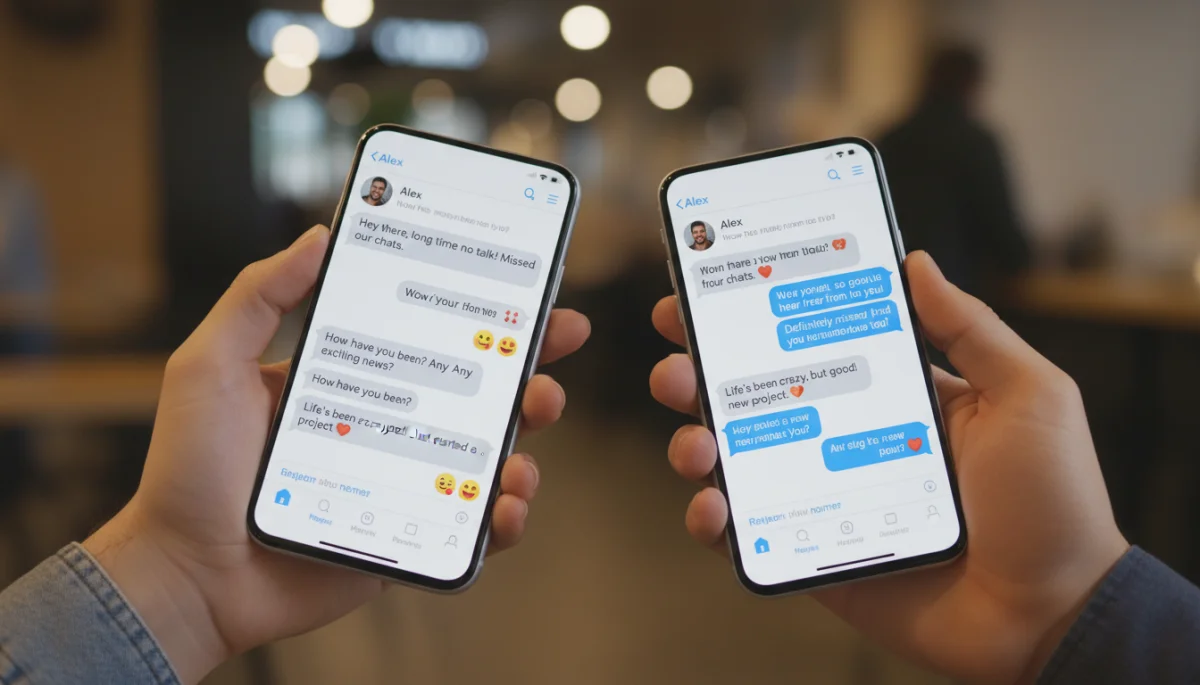
Once you’ve sent your follow-up, there are two primary outcomes: they respond, or they don’t. Both require a thoughtful approach. If they respond, great! Pick up the conversation naturally, perhaps by asking another open-ended question or suggesting a next step, like a call or a meet-up if appropriate. If they don’t respond, it’s crucial to know when to gracefully disengage.
One follow-up is generally sufficient. If you send a second follow-up and still hear nothing, it’s usually a sign to move on. Persistent messaging after multiple silences can cross the line into harassment and is counterproductive. Respect their silence, even if it’s disappointing. Not every connection is meant to be, and that’s perfectly okay. Your energy is better spent on interactions where interest is reciprocated.
Navigating Different Outcomes
- Positive Response: If they reply, acknowledge their message and continue the conversation. Build on their response, ask a follow-up question, or suggest taking the conversation offline if the timing feels right.
- Ambiguous Response: If their reply is short or doesn’t open up new avenues, you can try one more light question. If it remains vague, consider it a sign to shift your focus.
- No Response: After one thoughtful follow-up, if there’s still no reply, accept it gracefully. Don’t send multiple messages. Your self-respect and peace of mind are paramount.
Learning to gracefully accept a lack of response is a critical part of online dating. It frees up your mental space and allows you to focus on more promising connections. Remember, the goal of re-engagement is to foster a connection, not to force one. When you approach follow-ups with respect for yourself and others, you navigate the dating landscape with greater confidence and success, knowing when to persist and when to move on is key to mastering how to re-engage conversation after silence.
Building Consistent Engagement: Beyond the Follow-Up
While mastering the art of the follow-up is essential for reviving stalled conversations, the ultimate goal is to build consistent engagement from the start. This means creating a profile that sparks interest, initiating conversations with compelling openers, and maintaining a dynamic dialogue that minimizes the chances of silence. Proactive engagement reduces the need for constant re-engagement strategies.
Think about how you can consistently provide value and interest in your messages. Share insights, ask thoughtful questions, and show genuine curiosity about the other person. The more engaging your initial interactions are, the less likely conversations are to fade. This proactive approach not only makes the dating process more enjoyable but also leads to more meaningful connections.
Strategies for Proactive Engagement
- Engaging Profile: Ensure your profile is rich with conversation starters, showcasing your personality and interests.
- Thoughtful Openers: Move beyond generic “Hey” messages. Reference something specific in their profile to show you’ve read it.
- Active Listening: Pay attention to their responses and ask follow-up questions that demonstrate genuine interest.
- Vary Your Communication: Don’t just stick to text. Suggest a voice note, a quick call, or even a video chat if the connection feels right and they are comfortable.
By focusing on building strong, engaging conversations from the outset, you naturally reduce the frequency of silences and the need for intense follow-up efforts. This approach fosters a more authentic and enjoyable dating experience, where connections feel more natural and less forced. It’s about creating a flow that encourages continuous interaction, making the process of how to re-engage conversation after silence less of a recovery mission and more of a natural progression.
The Psychology of Re-Engagement: Why it Works (or Doesn’t)
Understanding the psychological underpinnings of re-engagement can significantly enhance your success. People are generally receptive to genuine interest, and a well-crafted follow-up can tap into their innate desire for connection. However, there’s a fine line between expressing interest and appearing needy or overly persistent. The key lies in conveying confidence and respect for their autonomy.
A successful re-engagement often works because it offers a low-pressure opportunity for the other person to reconnect. It signals that you remember them, value the previous interaction, and are open to continuing. This can be particularly effective if their silence was due to distraction or busyness, as it provides a gentle reminder without any perceived judgment. Conversely, a follow-up fails when it creates pressure, guilt, or feels inauthentic.
Psychological Principles at Play
- Reciprocity: A thoughtful follow-up can trigger a sense of reciprocity, making them more inclined to respond.
- Curiosity: A well-phrased question or a new piece of information can pique their curiosity, prompting a reply.
- Validation: Showing you remember details from your previous chat validates their identity and the effort they put into the conversation.
- Low-Pressure Environment: The best follow-ups are invitations, not demands, making it easy for them to engage without feeling obligated.
Ultimately, successful re-engagement leverages positive psychological triggers while avoiding negative ones. It’s about making the decision to respond feel effortless and appealing, rather than a chore or an obligation. By understanding these dynamics, you can craft messages that are not only effective in getting a reply but also in strengthening the foundation of a potential connection. This deeper insight into how to re-engage conversation after silence empowers you to communicate more effectively.
| Key Point | Brief Description |
|---|---|
| Understand Silence | Recognize various reasons for silence (busy, distracted, no clear next step) to approach follow-up with empathy. |
| Optimal Timing | Follow up within 2-7 days; avoid immediate messages or waiting too long to keep the connection alive. |
| Crafting Messages | Personalize messages, keep them light, ask open-ended questions, and avoid accusatory tones. |
| Handle Outcomes | Continue conversation if they respond; gracefully disengage after one follow-up if no reply. |
Frequently Asked Questions About Re-Engaging Conversations
It’s generally best to wait between 2 to 7 days before sending a follow-up. This provides enough time for the other person to respond if they were busy or distracted, without making you seem impatient or overly persistent. The exact timing can depend on the nature of your previous conversation.
An effective re-engagement message is personalized, light, and non-demanding. Reference something specific from your previous conversation to show you remember it, and include an open-ended question to encourage a detailed response. Avoid any accusatory language or expressions of frustration.
If they don’t respond after a single, thoughtful follow-up, it’s usually best to gracefully disengage and move on. Sending multiple messages after no response can be counterproductive and may come across as pushy. Respect their silence and focus your energy on other connections.
No, you typically shouldn’t apologize for the silence, as it implies fault on your part or assumes their silence was intentional. Instead, keep your message positive and focused on continuing the conversation. A non-judgmental approach is more likely to elicit a favorable response and re-engage conversation after silence.
Yes, humor can be a great way to re-engage, especially if it aligns with your previous conversations and their personality. A lighthearted, witty message can break the ice and make them smile. Just ensure it’s appropriate and not misinterpreted as sarcastic or dismissive, which could hinder attempts to re-engage conversation after silence.
Conclusion
Mastering the art of follow-up: tips to re-engage a conversation after silence is a valuable skill in the modern dating landscape. It’s about more than just sending another message; it’s about thoughtful timing, personalized content, and a genuine desire to connect. By understanding the reasons behind silence, crafting effective messages, and knowing when to gracefully move on, you can transform dormant chats into thriving conversations. Remember, every interaction is an opportunity to learn and grow, ultimately leading you to more meaningful and fulfilling connections.
