Premium Dating Apps: Financial Aspects & Service Comparison
Understanding the financial aspects of premium dating apps involves comparing subscription models, feature sets, and overall value to make an informed decision that aligns with personal dating goals and budget in the U.S. market.
Navigating the modern dating landscape often leads to exploring online platforms, and for many, that means considering premium options. The financial aspects of premium dating apps are a crucial consideration, as these services promise enhanced experiences for a price. But are they truly worth the investment? This article delves into the costs, benefits, and comparative value of various premium dating applications, helping you make an informed decision in your quest for connection.
Understanding the Premium Dating App Landscape
The online dating market is vast, with numerous apps catering to diverse preferences. While free versions offer basic functionalities, premium subscriptions typically unlock a suite of advanced features designed to improve your dating success. These enhancements often include unlimited likes, advanced search filters, the ability to see who has liked you, and even dedicated relationship coaches.
The appeal of premium dating apps lies in their promise of a more efficient and effective dating journey. Users often hope to find higher-quality matches, reduce time wasted on incompatible profiles, and gain access to a more serious pool of daters. However, the financial commitment can be significant, prompting a need for careful evaluation of what each service truly offers.
The Shift Towards Paid Models
Initially, many dating apps thrived on free models, relying on advertising or freemium strategies. However, the industry has increasingly shifted towards subscription-based services. This evolution is driven by several factors:
- Enhanced Features: Premium tiers allow apps to invest in and offer more sophisticated tools.
- Reduced Spam and Bots: A paywall can deter casual users, spammers, and bots, leading to a more genuine user base.
- Serious Intentions: Users who pay for a service are often perceived as more serious about finding a connection.
- Revenue Generation: Subscriptions provide a stable revenue stream for app development and maintenance.
Ultimately, understanding the premium dating app landscape involves recognizing that while the costs can vary, the underlying goal is to offer a more curated and potentially more successful dating experience compared to their free counterparts. This segment lays the groundwork for a deeper dive into specific financial aspects and service comparisons.
Subscription Models and Pricing Structures
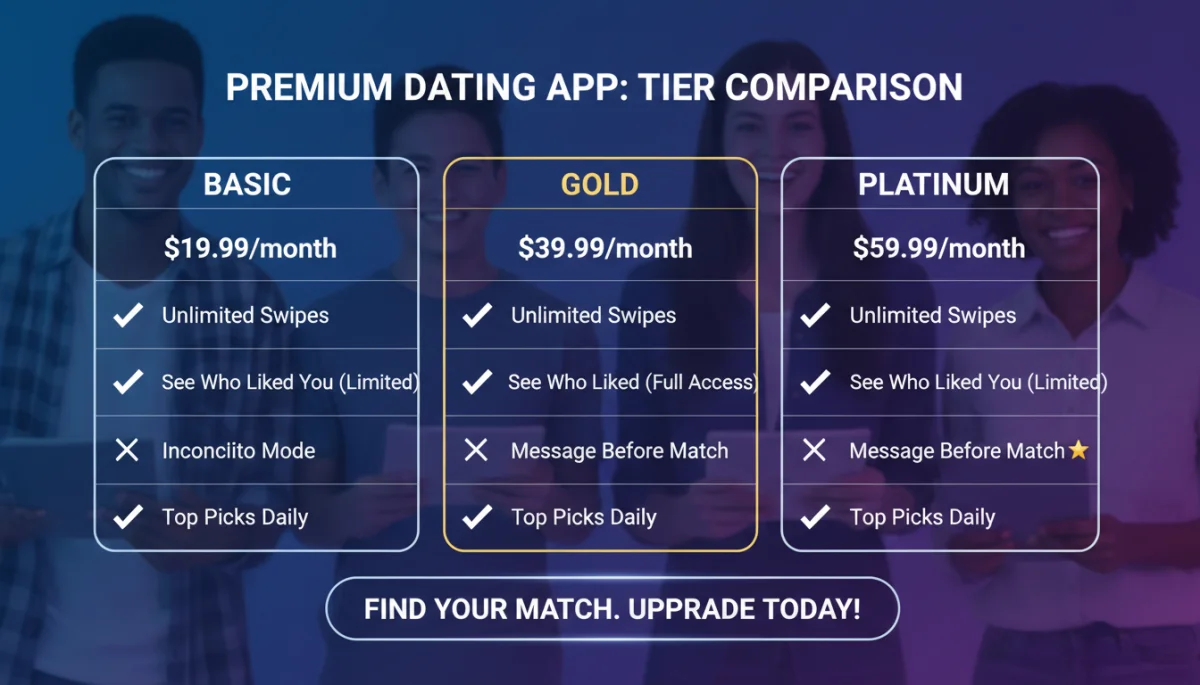
When it comes to the financial aspects of premium dating apps, understanding the various subscription models and pricing structures is paramount. No two apps are exactly alike, and their approaches to monetization can significantly impact your overall experience and budget. Most premium apps offer tiered subscriptions, each unlocking different levels of features and benefits.
Typically, you’ll encounter monthly, quarterly, and annual subscription options. Shorter durations often come with a higher monthly cost, while committing to a longer period usually results in a lower effective monthly rate. This strategy encourages users to stay on the platform longer, hoping to find a match before their subscription expires.
Common Subscription Tiers
Most premium dating apps adopt a multi-tiered approach, often with names like ‘Premium,’ ‘Gold,’ or ‘Platinum.’ Each tier typically includes the features of the preceding one, plus additional exclusive functionalities. For example:
- Basic Premium: Often includes unlimited likes, no ads, and the ability to undo accidental swipes.
- Mid-Tier Premium: Adds features like seeing who likes you, advanced search filters, and profile boosts.
- Top-Tier Premium: May offer exclusive access to events, personalized matchmaking services, or even a dedicated concierge.
Beyond standard subscriptions, many apps also offer in-app purchases for one-time boosts, super likes, or read receipts. These microtransactions can quickly add up, so it’s essential to factor them into your overall budget if you plan to use them.
The pricing structures also vary significantly between apps. Some, like Tinder and Bumble, have relatively affordable entry-level premium options, while others, such as Tinder Gold vs. Platinum, target a more affluent clientele with substantially higher fees. These higher-priced apps often emphasize exclusivity and a more curated user base, justifying their cost through perceived quality of matches and unique features.
In conclusion, a thorough examination of each app’s subscription models and pricing structures is crucial. It’s not just about the monthly fee but also about understanding what features are included at each level and whether additional in-app purchases are necessary to achieve your dating goals. This informed approach helps you manage the financial aspects of premium dating apps effectively.
Feature Sets: What Do You Get for Your Money?
Delving into the financial aspects of premium dating apps necessitates a detailed look at the feature sets they offer in exchange for your hard-earned money. The value proposition of a premium subscription largely hinges on the utility and effectiveness of its exclusive features. While basic free versions provide a glimpse into the app’s ecosystem, premium tiers are where the real strategic advantages often lie.
Common premium features include unlimited likes, which removes the daily swipe limit imposed on free users, allowing for more extensive browsing. Another popular feature is the ability to see who has already liked your profile, which can significantly streamline the matching process by eliminating guesswork and prioritizing mutual interest. Advanced search filters are also a staple, enabling users to narrow down potential matches based on more specific criteria such as education, income, height, or lifestyle choices, beyond the basic age and distance parameters.
Beyond Basic Enhancements
Many premium apps go beyond these fundamental enhancements, offering unique features designed to differentiate themselves in a crowded market. For instance, some apps provide ‘boosts’ or ‘super likes’ that increase your profile’s visibility for a limited time, theoretically leading to more matches. Others offer ‘travel mode,’ allowing you to change your location before a trip to start connecting with people in your destination city.
Some high-end apps even incorporate professional matchmaking services or access to exclusive events, attempting to replicate the personalized touch of traditional dating services within a digital framework. The League, for example, prides itself on its selective admission process and professional networking features, aiming to connect ambitious individuals. Luxy focuses on connecting affluent singles, offering features that verify income and net worth.
Ultimately, when evaluating the financial aspects of premium dating apps, it’s critical to assess whether the features align with your personal dating strategy and what you value most in a potential partner. If unlimited swipes and seeing who likes you are your priorities, a mid-tier subscription might suffice. However, if you seek highly specific filters or a curated experience, investing in a more exclusive app or a top-tier plan might be more appropriate. The key is to match the features to your dating goals, ensuring you get tangible value for your investment.
Comparing Value: Is a Premium Subscription Worth It?
Assessing whether a premium dating app subscription is truly worth the investment is a central question when considering the financial aspects of premium dating apps. The concept of ‘value’ is subjective and depends heavily on individual expectations, dating goals, and how effectively one utilizes the premium features. For some, the enhanced features translate directly into more meaningful connections and a more efficient dating journey, justifying the cost. For others, the benefits might not outweigh the financial outlay.
The perceived value often stems from the time saved and the quality of matches obtained. Free versions can be time-consuming, requiring extensive swiping and filtering through many incompatible profiles. Premium features, such as seeing who likes you or using advanced filters, can significantly reduce this effort, allowing users to focus on genuinely promising connections. This efficiency can be particularly valuable for busy professionals or those with very specific criteria.
Factors Influencing Value Perception
Several factors influence whether a premium subscription feels like a worthwhile expense:
- Dating Goals: Are you looking for a casual encounter, a serious relationship, or something in between? Apps cater to different intentions, and premium features often align with more serious relationship goals.
- Time Availability: If you have limited time for dating, premium features that streamline the process (like seeing mutual likes) can be invaluable.
- Specific Preferences: Advanced filters offered by premium tiers are crucial for those with very particular preferences in a partner.
- App Popularity in Your Area: The effectiveness of any dating app, premium or free, depends on its user base in your geographic location. A premium subscription on an app with few local users might not offer much value.
- Personal Budget: Ultimately, the cost must fit comfortably within your financial means without causing undue stress.
It’s also important to consider the ‘opportunity cost’ – what else could you do with that money? If a premium subscription helps you find a fulfilling relationship faster, the investment might be seen as minimal compared to the long-term benefits. Conversely, if it leads to no significant improvement over free alternatives, it might be perceived as a waste.
In conclusion, the value of a premium dating app subscription is not universal. It requires a personal assessment of your dating needs, the specific features offered by the app, and your financial capacity. A trial period, if available, can be an excellent way to gauge the effectiveness before committing to a longer-term plan, ensuring the financial aspects of premium dating apps align with your expectations.
Hidden Costs and Potential Pitfalls
While the advertised subscription fees are the most obvious aspect of the financial aspects of premium dating apps, it’s crucial to be aware of hidden costs and potential pitfalls that can inflate your overall expenditure. Many apps employ clever monetization strategies that go beyond the flat monthly fee, often catching users off guard.
One common pitfall is the auto-renewal feature. Most premium subscriptions are set to automatically renew at the end of the billing cycle, often at the full price, even if you initially signed up during a promotional period. Forgetting to cancel can lead to unexpected charges on your credit card. Always check the terms and conditions regarding auto-renewal and set reminders if you only intend to subscribe for a limited time.
In-App Purchases and Upsells
Beyond subscriptions, in-app purchases are a significant source of additional costs. These can include:
- Profile Boosts: Temporary increases in visibility to attract more matches.
- Super Likes/Roses: Special indicators to show heightened interest, often limited in free versions.
- Read Receipts: The ability to see when your messages have been read.
- Virtual Gifts: Digital items to send to other users, often seen on more international or traditional dating platforms.
These microtransactions, while seemingly small individually, can accumulate quickly if used frequently. The apps are designed to make these purchases feel like a necessary part of the premium experience, subtly encouraging spending to maximize your chances.
Another pitfall can be the psychological cost associated with the investment. Some users feel pressured to continue using an app, even if it’s not yielding results, simply because they’ve paid for it. This can lead to prolonged engagement with a platform that isn’t serving their needs, rather than exploring other options.
Furthermore, some apps offer ‘lifetime’ subscriptions or heavily discounted long-term plans. While these can seem like a great deal upfront, it’s essential to consider the longevity of the app and your own dating journey. If you find a partner quickly or the app’s popularity wanes, that ‘lifetime’ investment might not pay off.
In summary, navigating the financial aspects of premium dating apps requires vigilance. Read the fine print, be mindful of auto-renewals, and critically evaluate whether in-app purchases genuinely enhance your experience or are just designed to extract more money. A clear understanding of all potential costs will help you avoid unpleasant surprises and ensure your investment is truly beneficial.
Strategies for Maximizing Your Premium Dating App Investment
Given the various financial aspects of premium dating apps, it’s prudent to develop strategies to maximize your investment and ensure you’re getting the most value for your money. Simply paying for a subscription doesn’t guarantee success; active engagement and a thoughtful approach are key to turning your financial outlay into meaningful connections.
One fundamental strategy is to optimize your profile before subscribing. A compelling profile with high-quality photos, an engaging bio, and clear communication of your intentions will significantly increase your chances of matching and receiving responses. Don’t wait until you’ve paid to refine your profile; treat it as your primary marketing tool.
Leveraging Premium Features Effectively
- Prioritize Messaging: Don’t just match; initiate conversations promptly and thoughtfully.
- Use Boosts Strategically: If you have profile boosts, use them during peak hours (evenings, weekends) when more users are active.
- Review ‘Who Likes You’: If this feature is available, regularly check it to identify mutual interests and initiate matches with confidence.
- Explore Exclusive Events: For apps that offer them, participate in exclusive events to meet people in a more relaxed, curated setting.
Another important strategy is to set a clear timeline and goals. If you’ve committed to a three-month subscription, actively work towards your dating goals within that period. Don’t let the subscription lapse without putting in the effort. This proactive approach helps create a sense of urgency and focuses your efforts.
Furthermore, consider trying different premium apps for short periods if your budget allows. This can help you determine which platform’s features and user base best align with your needs before committing to a longer-term subscription. Many apps offer shorter, more expensive trial periods for this very reason.
In conclusion, maximizing your premium dating app investment isn’t just about the money you spend, but how you spend your time and effort on the platform. By optimizing your profile, strategically using premium features, setting clear goals, and actively engaging, you can significantly enhance your chances of finding a meaningful connection and ensure the financial aspects of premium dating apps deliver tangible returns.
Ethical Considerations and Responsible Spending
Beyond the direct monetary costs, the financial aspects of premium dating apps also touch upon ethical considerations and the importance of responsible spending. The dating app industry, like many others, operates on psychological principles designed to encourage engagement and, by extension, spending. Understanding these dynamics is crucial for making informed choices and maintaining a healthy relationship with online dating.
Many apps use gamification elements, such as streaks, limited daily actions, and notifications, to keep users hooked. Premium features often promise to alleviate the frustrations of the free experience, creating a sense of urgency or necessity to upgrade. Recognizing these persuasive techniques helps users make decisions based on genuine need rather than impulsive desires.
Promoting Financial Wellness in Dating
Responsible spending in the context of premium dating apps means:
- Budgeting: Allocate a specific, affordable amount for dating app subscriptions and stick to it.
- Avoiding Debt: Never incur debt or compromise essential financial stability for dating apps.
- Critical Evaluation: Continuously assess if the app is providing real value or if you’re succumbing to sunk cost fallacy.
- Considering Alternatives: Remember that free dating apps and offline dating still exist and can be equally effective.
- Prioritizing Mental Well-being: If the financial pressure or lack of results from a premium app causes significant stress, it might be time to re-evaluate its role in your life.
From an ethical standpoint, app developers have a responsibility to be transparent about their pricing models and auto-renewal policies. While regulations exist, users must remain proactive in understanding what they are signing up for. The industry also faces scrutiny regarding how it promotes realistic expectations, as the promise of instant connection can sometimes lead to disappointment and further spending in pursuit of an idealized outcome.
The goal is to foster a dating experience that is both enjoyable and financially sustainable. This means being mindful of your spending habits, questioning the necessity of every premium feature or in-app purchase, and prioritizing your overall well-being above the pursuit of immediate gratification from an app. By adopting these ethical and responsible spending practices, you can navigate the financial aspects of premium dating apps with greater control and confidence.
| Key Aspect | Brief Description |
|---|---|
| Subscription Models | Monthly, quarterly, and annual tiers with varying features and costs. Longer terms typically offer lower effective monthly rates. |
| Feature Value | Premium features like unlimited likes, advanced filters, and profile visibility boosts should align with personal dating goals for maximum ROI. |
| Hidden Costs | Beware of auto-renewals, in-app purchases (boosts, super likes), and potential psychological pressure to spend more. |
| Maximizing Investment | Optimize your profile, actively use premium features, set clear goals, and budget responsibly to ensure value for money. |
Frequently Asked Questions About Premium Dating Apps
Premium dating apps often offer enhanced features like unlimited likes, advanced filters, and visibility boosts that can streamline your search. While not a guarantee of success, many users find the investment worthwhile for a more focused and efficient dating experience, often leading to higher quality matches compared to free versions.
Subscription costs vary widely, ranging from around $10-$20 per month for entry-level plans on popular apps like Tinder or Bumble, to hundreds of dollars for exclusive services like The League or Luxy. Prices often decrease with longer commitment periods (e.g., quarterly or annual subscriptions).
To avoid hidden fees, always read the terms and conditions carefully, especially regarding auto-renewal policies. Be mindful of in-app purchases for boosts, super likes, or other add-ons. Set reminders to cancel subscriptions if you don’t intend to continue, and track your spending to stay within budget.
Refund policies differ by app and platform (iOS App Store, Google Play Store). Generally, direct refunds for dissatisfaction are rare once a subscription has been used. However, you might be eligible for a refund if there was a technical error or unauthorized charge. Always check the specific app’s refund policy or contact customer support.
Before paying, consider your specific dating goals, the app’s user base in your area, and whether its premium features genuinely align with your needs. Evaluate your budget, read reviews, and ideally, try the free version first to gauge its usability and potential. Don’t feel pressured to buy; make an informed decision.
Conclusion
Navigating the financial aspects of premium dating apps is a nuanced endeavor that requires careful consideration of costs, features, and personal dating objectives. While these services promise enhanced experiences and a more efficient path to connection, the value derived is deeply personal. By understanding the various subscription models, scrutinizing feature sets, being aware of potential hidden costs, and adopting strategies for maximizing your investment, you can make an informed decision that aligns with both your romantic aspirations and your financial well-being. Ultimately, success in online dating, premium or otherwise, hinges on a combination of strategic engagement and a realistic perspective on what these platforms can offer.
