Personalizing Your Messages: Stand Out Now!
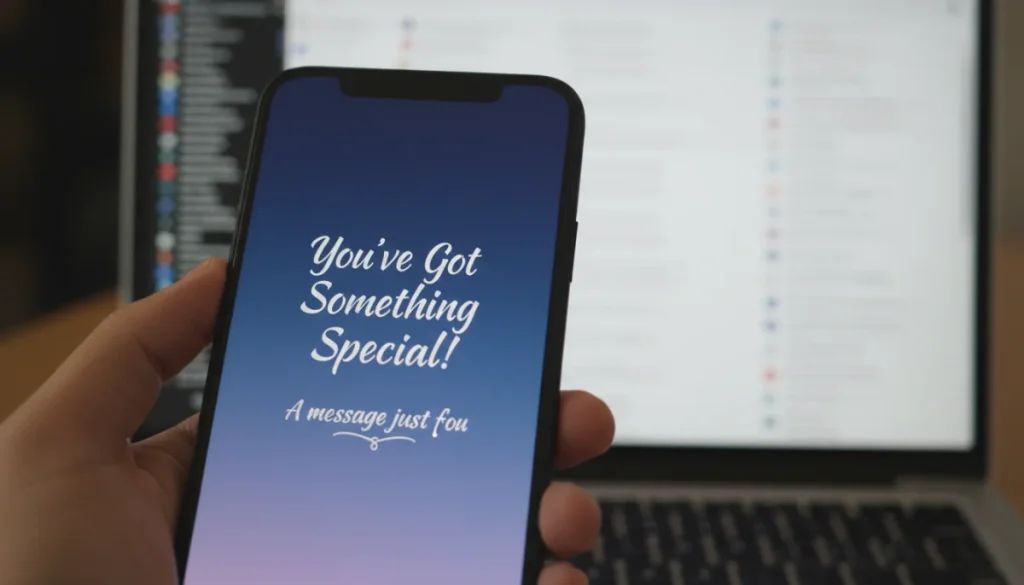
Personalizing messages is crucial for cutting through the noise in today’s digital landscape, transforming generic outreach into meaningful interactions that captivate audiences and foster lasting connections.
Ever feel like your messages get lost in the digital deluge? In today’s hyper-connected world, simply sending a message isn’t enough. To truly capture attention and build genuine rapport, mastering personalizing messages techniques is essential. It’s about transforming generic outreach into meaningful conversations that resonate deeply with your audience.
Understanding the ‘Why’ Behind Personalization
Before diving into the ‘how,’ it’s crucial to grasp the fundamental reasons why personalization has become an indispensable tool in any effective communication strategy. The sheer volume of digital communication means that generic messages are often ignored, deleted, or marked as spam. Personalization offers a way to break through this clutter, making your message feel less like an advertisement and more like a direct conversation.
Think about your own inbox. Which emails do you open? Likely the ones that seem to address you directly, understand your needs, or offer something specifically relevant to your interests. This isn’t just a preference; it’s a demonstrated psychological principle. People are more receptive to information that feels tailored to them, leading to higher engagement and better outcomes.
The erosion of attention spans
In an age of constant notifications and endless content streams, attention is a precious commodity. A personalized message immediately signals relevance, reducing the cognitive load on the recipient. They don’t have to sift through irrelevant information; the message is already framed in a way that speaks to their specific context.
- Increased open rates and click-through rates.
- Improved customer satisfaction and loyalty.
- Higher conversion rates for marketing campaigns.
- Enhanced brand perception and trustworthiness.
Moreover, personalization isn’t just about addressing someone by their first name. It’s about understanding their journey, their preferences, and their past interactions. This deeper level of insight allows for messages that are not only relevant but also timely and empathetic, fostering a stronger emotional connection. Without this understanding, even the most well-intentioned message can fall flat, perceived as just another automated attempt to solicit attention.
The ‘why’ of personalization extends beyond mere metrics. It’s about building relationships. Whether you’re communicating with a potential client, a long-term customer, or a friend, a personalized approach demonstrates that you value them as an individual. This respect translates into trust, which is the bedrock of any successful interaction, online or offline. Ignoring personalization means missing a critical opportunity to connect on a human level in a digital world that often feels impersonal.
Gathering the Right Data for Effective Personalization
The foundation of any successful personalization strategy lies in the quality and relevance of the data you collect. Without accurate insights into your audience, attempts at personalization will be superficial at best, and potentially counterproductive at worst. Data collection isn’t about intrusive surveillance; it’s about understanding your audience’s needs, preferences, and behaviors to serve them better.
Start with explicit data: information directly provided by your audience. This includes names, email addresses, company roles, and stated interests. Signup forms, preference centers, and direct surveys are excellent ways to gather this kind of data. Ensure transparency about what data you’re collecting and how it will be used, building trust from the outset.
Leveraging implicit data and behavioral insights
Beyond explicit information, implicit data offers a powerful layer of personalization. This refers to information gathered from user behavior, such as website visits, purchase history, content consumption, and engagement with previous messages. Analyzing these patterns can reveal underlying interests and needs that users might not explicitly state.
- Website analytics for page views and time spent.
- Purchase history for product preferences.
- Email engagement metrics (opens, clicks).
- Social media interactions and comments.
Tools like CRM systems, marketing automation platforms, and even simple spreadsheet tracking can help organize and interpret this data. The goal is to create a comprehensive profile for each individual, allowing you to segment your audience effectively. Segmentation is the process of dividing your audience into smaller groups based on shared characteristics, enabling highly targeted messaging. For instance, customers who have purchased a specific product might receive follow-up messages related to accessories or complementary services.
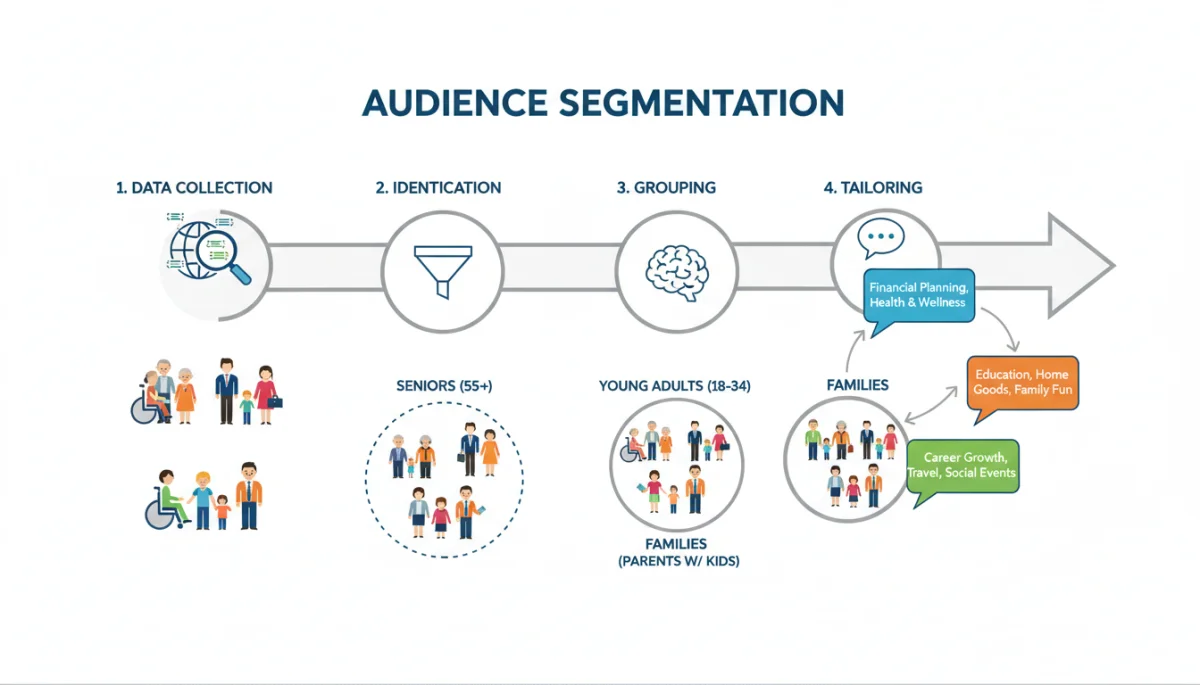
However, it’s crucial to avoid data overload. Focus on collecting data points that are genuinely actionable and relevant to your communication goals. Irrelevant data can lead to analysis paralysis and dilute the effectiveness of your personalization efforts. Regularly review and update your data to ensure its accuracy and timeliness. Outdated information can lead to awkward or irrelevant messages, undermining the very purpose of personalization and potentially damaging your credibility.
Crafting Personalized Content: Beyond the Name Tag
True personalization goes far beyond simply inserting a recipient’s first name into a message. While a good starting point, this alone won’t make your message stand out. Crafting genuinely personalized content involves tailoring the message’s substance, tone, and even its call to action to resonate specifically with the individual recipient. It requires a deeper understanding of their context, preferences, and needs.
Consider the message’s opening. Instead of a generic greeting, can you reference a recent interaction, a shared interest, or a specific problem they might be facing? For example, if a user recently viewed a particular product on your website, a message could start by acknowledging their interest in that specific item. This immediately demonstrates that you’re paying attention and that the message is relevant to their current journey.
Tailoring the message body and call to action
The core of your message should also reflect personalization. This might involve recommending products based on past purchases, offering solutions to challenges they’ve expressed, or providing content that aligns with their demonstrated interests. The tone should also be appropriate for the individual; some audiences respond well to a more formal approach, while others prefer a casual and friendly style.
- Reference previous interactions or purchases.
- Suggest relevant products, services, or content.
- Address specific pain points or interests.
- Adjust tone and language to match audience persona.
Finally, the call to action (CTA) should be personalized. Instead of a generic ‘Shop Now,’ consider ‘Continue Exploring Products You Liked’ or ‘Download Your Personalized Report.’ A personalized CTA removes friction and guides the user towards the next logical step in their journey, making them more likely to engage. The more specific and relevant the CTA, the higher the likelihood of conversion, as it directly addresses what the user might be looking for.
Effective personalization also means knowing when *not* to personalize. Sometimes, over-personalization can feel intrusive or even creepy. Strive for a balance that feels helpful and relevant without crossing into an uncomfortable territory. Always prioritize adding value to the recipient’s experience. If a piece of information doesn’t genuinely enhance the message’s relevance, it might be better to omit it, maintaining a natural and respectful communication flow.
Choosing the Right Channels for Personalized Delivery
The effectiveness of your personalized messages isn’t solely dependent on the content itself; the channel through which it’s delivered plays an equally critical role. Different communication channels have varying strengths and weaknesses, and selecting the most appropriate one for your message and audience is key to ensuring it stands out and achieves its intended impact.
Email remains a powerful channel for detailed, information-rich personalized messages. It allows for longer-form content, rich media, and complex segmentation. For instance, personalized newsletters, product updates, or detailed onboarding sequences are often best delivered via email. The asynchronous nature of email also gives recipients the flexibility to engage with the message at their convenience, making it suitable for less time-sensitive communications.
Leveraging SMS, in-app notifications, and social media
For more immediate or concise personalized messages, channels like SMS or in-app notifications can be highly effective. SMS is ideal for time-sensitive alerts, appointment reminders, or quick promotional offers. In-app notifications provide a seamless way to deliver personalized updates or recommendations directly within an application, enhancing the user experience without requiring them to leave the platform.
- Email for detailed content and nurturing.
- SMS for urgent alerts and concise updates.
- In-app notifications for contextual user guidance.
- Social media for community engagement and direct interaction.
Social media platforms also offer unique opportunities for personalized engagement, particularly through direct messages or targeted content. You can respond to specific customer inquiries, offer personalized support, or share relevant content that aligns with their social activity. The choice of channel should always align with the message’s urgency, length, and the recipient’s preferred mode of communication, ensuring that your personalized effort reaches them where they are most receptive.
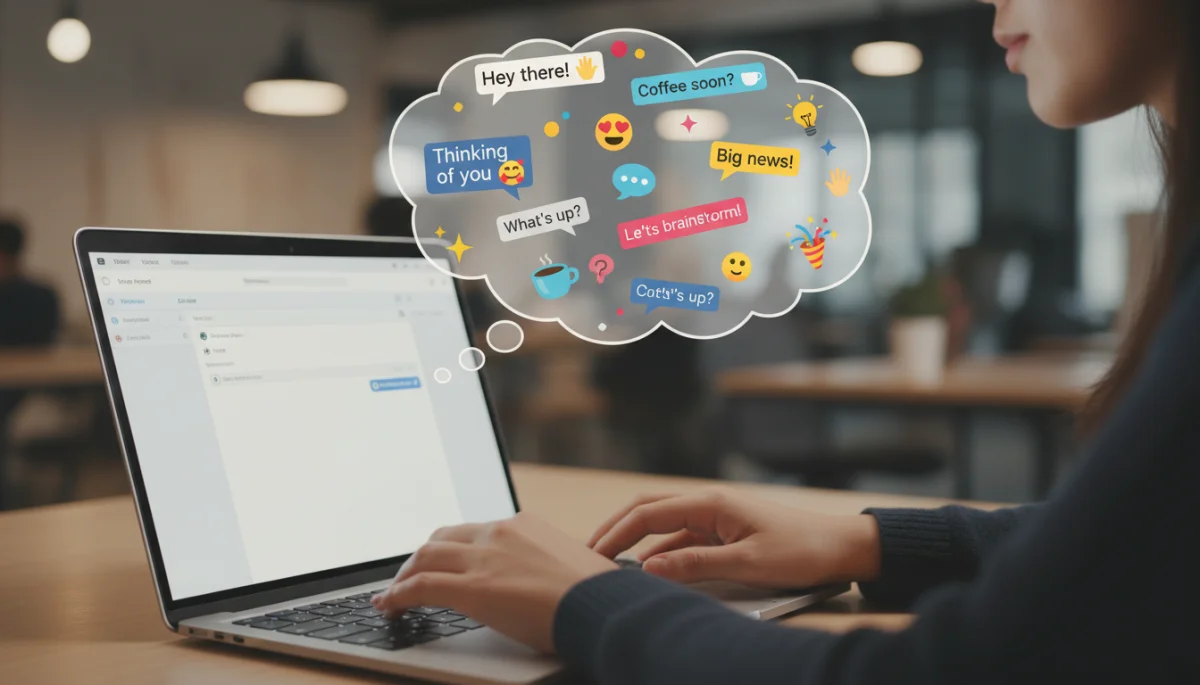
Ultimately, a multi-channel approach often yields the best results. By integrating various channels, you can create a cohesive personalized experience that adapts to different stages of the customer journey. For example, an initial personalized email might be followed by an SMS reminder, and then a personalized in-app notification. This strategic orchestration ensures that your message is not only personalized but also delivered through the most impactful medium at the opportune moment, maximizing its visibility and effectiveness.
Automating Personalization: Tools and Strategies
While manual personalization might be feasible for a very small audience, scaling these efforts requires the strategic use of automation tools. Automation doesn’t mean sacrificing authenticity; rather, it allows you to deliver highly personalized messages at scale, ensuring consistency and efficiency without overwhelming your team. The right tools can transform vast amounts of data into actionable insights and trigger relevant communications automatically.
Marketing automation platforms (MAPs) are at the forefront of this. These platforms allow you to create complex workflows based on user behavior, demographic data, and engagement history. For example, if a user abandons their shopping cart, a MAP can automatically send a personalized reminder email with the exact items they left behind. This level of automation ensures timely and relevant outreach without constant manual intervention.
Integrating CRM and AI for deeper insights
Customer Relationship Management (CRM) systems are indispensable for centralizing customer data. By integrating your CRM with your marketing automation tools, you can ensure that all personalization efforts are based on the most up-to-date and comprehensive customer profiles. This synergy allows for a holistic view of each customer, enabling more sophisticated segmentation and targeting.
- Marketing automation platforms for workflow creation.
- CRM systems for centralized customer data.
- AI-powered tools for predictive analytics and content generation.
- A/B testing tools for optimizing personalized messages.
Furthermore, artificial intelligence (AI) is rapidly advancing the capabilities of personalization. AI algorithms can analyze vast datasets to identify subtle patterns and predict future behaviors, allowing for hyper-personalization that anticipates needs. AI can also assist in generating personalized content variations, optimizing send times, and even suggesting the most effective channel for a particular message. This integration of AI elevates personalization from reactive to proactive, ensuring messages are not just relevant but also predictive.
However, it’s crucial to remember that automation is a tool, not a replacement for human oversight. Regularly monitor the performance of your automated personalized campaigns. A/B test different message variations, subject lines, and calls to action to continually optimize your strategy. Ensure that your automated messages still sound human and authentic, avoiding robotic or formulaic language. The goal is to use automation to enhance, not diminish, the personal touch of your communications.
Measuring Success and Iterating Your Personalization Strategy
Implementing personalized messages is only half the battle; the other half involves rigorously measuring their impact and continuously iterating your strategy based on performance data. Without a clear understanding of what’s working and what isn’t, your personalization efforts risk becoming stagnant or ineffective. Measurement provides the feedback loop necessary for continuous improvement.
Key performance indicators (KPIs) for personalized messaging typically include open rates, click-through rates (CTR), conversion rates, and customer satisfaction scores. A higher open rate for a personalized email, for instance, suggests that your subject line and sender name resonated with the recipient. A strong CTR indicates that the content within the message was relevant and compelling enough to prompt further action.
Analyzing feedback and conducting A/B tests
Beyond quantitative metrics, qualitative feedback is equally valuable. Pay attention to customer responses, surveys, and social media comments. Are customers expressing appreciation for the personalized touch? Are they finding the recommendations helpful? This kind of feedback can uncover nuances that data alone might miss, providing deeper insights into the emotional impact of your messages.
- Track open rates, click-through rates, and conversion rates.
- Monitor customer satisfaction and feedback.
- Conduct A/B tests on various personalization elements.
- Regularly review and update audience segments.
A/B testing is an indispensable tool for refining your personalization strategy. Test different elements of your personalized messages: subject lines, greetings, content variations, calls to action, and even sender names. By comparing the performance of different versions, you can identify which approaches resonate most effectively with specific audience segments. For example, you might discover that a more direct call to action works better for new customers, while a softer approach is preferred by loyal customers.
The digital landscape is constantly evolving, and so too should your personalization strategy. Regularly review your data, analyze trends, and be prepared to adapt. What worked last year might not be as effective today. Stay informed about new technologies and best practices in personalization. By embracing a continuous cycle of measurement, analysis, and iteration, you can ensure your personalized messages remain sharp, relevant, and consistently stand out in a crowded inbox, driving sustained engagement and fostering stronger relationships with your audience.
| Key Point | Brief Description |
|---|---|
| Data Collection | Gather explicit and implicit data to understand audience needs and behaviors. |
| Content Crafting | Tailor message substance, tone, and CTAs beyond just using a name. |
| Channel Selection | Choose appropriate channels (email, SMS, in-app) based on message urgency and audience preference. |
| Automation & Tools | Utilize MAPs, CRMs, and AI for scalable, consistent, and efficient personalization. |
Frequently asked questions about personalizing messages
Personalizing messages is crucial because it helps cut through digital clutter, making your communication feel relevant and valuable to the recipient. This leads to higher engagement rates, improved customer satisfaction, and stronger relationships, as generic messages are often ignored or perceived as spam.
Both explicit and implicit data are essential. Explicit data includes names, demographics, and stated preferences. Implicit data involves behavioral insights like website visits, purchase history, and past interactions. Combining these provides a comprehensive view for tailoring messages effectively and accurately.
Go beyond names by referencing past interactions, recommending relevant products/content based on behavior, addressing specific pain points, and tailoring the tone. A personalized call to action (CTA) that aligns with their journey also significantly enhances the message’s relevance and impact, encouraging engagement.
The best channel depends on the message’s urgency and content. Email is ideal for detailed communications, while SMS is great for concise, time-sensitive alerts. In-app notifications provide contextual guidance, and social media offers direct, interactive personalization. A multi-channel approach often maximizes reach and effectiveness.
Automation tools like Marketing Automation Platforms (MAPs) and CRM systems enable scalable personalization. They create workflows based on user behavior, centralize data, and even use AI for predictive insights. This ensures timely, consistent, and relevant messaging without manual overload, enhancing efficiency while maintaining a personal touch.
Conclusion
In a world saturated with digital noise, the ability to effectively personalize messages is no longer a luxury but a fundamental necessity for meaningful communication. By understanding the profound impact of personalization, meticulously gathering and leveraging relevant data, crafting truly tailored content, strategically selecting delivery channels, and embracing automation with thoughtful oversight, individuals and organizations can transform their outreach. The journey of personalizing messages is continuous, requiring constant measurement, analysis, and iteration. However, the reward is substantial: stronger connections, deeper engagement, and a distinct voice that genuinely stands out in even the most crowded of inboxes, fostering lasting relationships and achieving desired outcomes.
