Multi-Message Rule: Chat to First Date Solutions
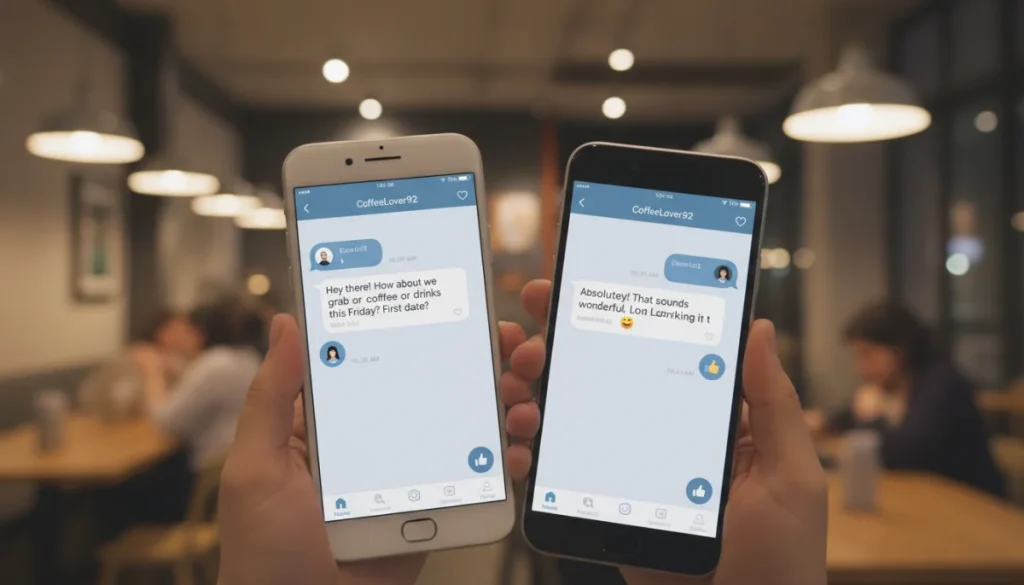
The multi-message rule is a strategic approach in online dating that guides the number and type of messages exchanged before suggesting a first date, optimizing the transition from digital chat to real-life connection.
Navigating the early stages of online dating can feel like a delicate dance, especially when deciding the right moment to move from endless texts to an actual meeting. Understanding The Multi-Message Rule: Solutions for Moving from Chat to First Date offers a clear pathway, transforming digital interactions into tangible connections.
Understanding the Multi-Message Rule Foundation
The multi-message rule isn’t a rigid dogma but rather a flexible guideline designed to optimize your online dating interactions. It acknowledges that sending too few messages can make you seem uninterested or too forward, while sending too many can lead to a conversational dead end or a ‘pen pal’ situation. The core idea is to build just enough rapport and interest to warrant an in-person meeting without over-investing in a purely digital exchange.
This rule suggests a sweet spot for message exchanges, typically ranging from three to seven meaningful back-and-forth messages, before proposing a first date. This allows both parties to gauge initial compatibility, sense of humor, and shared interests, establishing a foundation of comfort and curiosity. It’s about creating a desire for further interaction, not exhausting all conversation topics before you even meet.
The Psychology Behind Strategic Messaging
Human psychology plays a significant role in how we perceive online interactions. We naturally seek connection and validation. When messages are exchanged thoughtfully, they activate a sense of anticipation and intrigue. Too much information too soon can overwhelm, while too little can leave a void of unanswered questions, often leading to disinterest. The multi-message rule taps into this by creating a balanced flow.
- Building Anticipation: Each message should add value, asking insightful questions or sharing interesting tidbits that make the other person look forward to your next response.
- Establishing Comfort: A few exchanges help both individuals feel more comfortable and less like they’re meeting a complete stranger.
- Avoiding Over-Sharing: Keeping some mystery alive encourages the desire to meet in person to uncover more.
Ultimately, the goal is to shift the interaction from a low-stakes digital exchange to a higher-stakes, real-world encounter where genuine chemistry can be assessed. The multi-message rule provides a framework for this transition, ensuring that you’re not just chatting, but actively progressing towards a date.
The multi-message rule serves as a strategic compass, guiding daters to foster sufficient connection and interest online to facilitate a natural and anticipated transition to an in-person meeting, preventing both premature proposals and prolonged digital exchanges.
Crafting Engaging Initial Messages
The journey from chat to first date begins with compelling initial messages. These aren’t just greetings; they are your opportunity to showcase personality, interest, and a bit of wit. Generic messages like ‘Hey, how are you?’ often fall flat because they don’t invite a deeper conversation or reveal anything unique about you. Instead, focus on messages that are personalized and open-ended, encouraging a thoughtful response.
Referencing something specific from their profile is an excellent way to show you’ve actually read it and are genuinely interested. For example, if their profile mentions a love for hiking, you could say, ‘That picture of you hiking in Zion looks amazing! What’s been your favorite trail so far?’ This immediately gives them something concrete to respond to and opens the door for shared interests.
The Art of the Open-Ended Question
Open-ended questions are crucial for fostering dialogue. Unlike yes/no questions, they require a more elaborate answer, prompting your match to share more about themselves. This not only keeps the conversation flowing but also provides you with more information to build upon in subsequent messages. Think about questions that invite storytelling or opinion sharing.
- Beyond Hobbies: Instead of ‘Do you like movies?’, try ‘What’s a movie that left a lasting impression on you and why?’
- Travel Tales: Rather than ‘Have you traveled?’, ask ‘What’s the most unexpected adventure you’ve had while traveling?’
- Future Aspirations: Instead of ‘Do you like your job?’, consider ‘What’s one dream you’re actively working towards?’
These types of questions demonstrate a deeper level of engagement and interest in understanding who they are beyond surface-level facts. They allow for a more personal connection to form, which is essential before suggesting a first date. The quality of your questions directly influences the quality of the conversation.
Engaging initial messages are the cornerstone of moving from chat to a first date, emphasizing personalization and open-ended questions that spark genuine conversation and reveal shared interests, moving beyond generic greetings to establish a meaningful connection.
Timing Your Date Proposal: The Sweet Spot
One of the most critical aspects of the multi-message rule is identifying the opportune moment to propose a first date. Proposing too early can seem aggressive or premature, while waiting too long risks losing momentum and interest. The ‘sweet spot’ is typically after a few meaningful exchanges, where you’ve established some rapport, shared laughs, and confirmed a mutual interest in getting to know each other better. This usually falls within the 3-7 message exchange range, but it’s more about the quality of the conversation than a strict number.
Look for cues that indicate readiness: consistent, timely responses; enthusiastic replies; and questions directed back at you. These are signs that your match is engaged and enjoying the conversation. When you feel a natural rhythm and genuine connection developing, that’s your signal to consider the next step. The proposal itself should be confident but not demanding, offering a low-pressure invitation.


Crafting the Low-Pressure Invitation
When you decide to propose a date, the wording matters. Avoid making it sound like a high-stakes interview or a rigid commitment. Instead, frame it as a natural progression of your enjoyable conversation. Suggesting a casual activity, like grabbing coffee or a drink, is often ideal for a first meeting as it’s low-pressure and allows for easy exit if there’s no chemistry.
- Keep it Casual: ‘I’ve really enjoyed chatting with you. Would you be open to grabbing a coffee sometime this week?’
- Suggest a Specific, Low-Commitment Activity: ‘It sounds like we both appreciate a good craft beer. There’s a new brewery downtown I’ve been wanting to check out. Any interest in joining me for a drink?’
- Offer Flexibility: ‘If you’re free sometime this week, I’d love to continue this conversation in person. No pressure if your schedule is packed!’
The key is to make the invitation feel like an extension of the pleasant chat you’ve already had, rather than an abrupt shift. By offering a specific, yet flexible, low-pressure suggestion, you increase the likelihood of a positive response and a successful transition from the digital world to a real-life encounter.
Timing the date proposal correctly is paramount, aiming for a sweet spot after sufficient rapport has been built through engaging exchanges, typically 3-7 messages, indicated by mutual enthusiasm and consistent responses, ensuring a natural and low-pressure invitation to meet.
Maintaining Momentum Post-Proposal
Once you’ve successfully proposed a date and received a positive response, the work isn’t over. Maintaining momentum is crucial to ensure the date actually happens and that the excitement doesn’t wane. This phase involves a delicate balance of confirming details without being overbearing, and keeping the conversation light and engaging until the meeting.
After the initial agreement, it’s good practice to quickly firm up the logistics: time, date, and location. A simple ‘Great! How about [Day] at [Time] at [Location]?’ usually suffices. Once confirmed, you don’t need to text constantly. A few light, non-committal messages that show continued interest, without delving into deep topics, are ideal. Save those for the actual date.
Pre-Date Communication Etiquette
The period between confirming the date and the actual meeting is a test of your communication skills. You want to keep the connection warm without creating unnecessary pressure or exhausting conversation topics. The goal is to build anticipation, not to conduct a pre-date interview.
- Light Check-ins: A brief message a day or two before the date, like ‘Still looking forward to our coffee on Thursday!’ can be effective.
- Avoid Deep Conversations: Refrain from discussing heavy topics or personal histories. These are best reserved for in-person interaction.
- Confirm Logistics: A final confirmation message the day before or morning of the date is always appreciated, ensuring everyone is on the same page.
This pre-date communication should serve to reinforce the positive connection you’ve already established and to ensure logistical clarity. It’s about showing reliability and continued interest, which are attractive qualities. By managing this period effectively, you set the stage for a relaxed and enjoyable first date, where genuine connection can truly begin to blossom.
Maintaining momentum post-proposal is vital, involving prompt logistical confirmation and light, engaging pre-date communication to sustain interest without oversharing, ensuring the date materializes and anticipation remains high for an in-person connection.
Red Flags and When to Pivot
While the multi-message rule provides a framework for progression, it’s equally important to recognize red flags and know when to pivot or disengage. Not every online interaction is destined for a first date, and sometimes, the best solution is to gracefully move on. Paying attention to certain signals in the chat can save you time, energy, and potential disappointment.
One major red flag is inconsistent or minimal engagement. If your match takes days to respond, offers only one-word answers, or never asks you questions in return, it’s a clear indication that their interest might be low. Another common issue is when conversations feel one-sided, with you doing all the heavy lifting. This imbalance suggests a lack of mutual effort, which is rarely a good sign for future interactions.
Identifying and Responding to Disinterest
Recognizing disinterest early allows you to redirect your efforts towards more promising connections. It’s not about taking it personally, but rather about being efficient with your time in the vast landscape of online dating. If you’ve sent a few engaging messages and the responses remain lackluster, it’s usually time to pivot.
- Lack of Reciprocity: They don’t ask you questions or show curiosity about your life.
- Vague or Generic Responses: Answers that don’t add to the conversation or show genuine thought.
- Constant Delays: Taking an unusually long time to respond without a valid explanation.
- Refusal to Meet: Repeatedly deflecting or avoiding suggestions to meet in person after sufficient rapport should have been built.
When you encounter these red flags, it’s best to stop investing further energy. You don’t necessarily need to send a ‘goodbye’ message; simply letting the conversation naturally fade is often sufficient. Pivoting means acknowledging that this particular connection isn’t a good fit and refocusing on individuals who demonstrate reciprocal interest and enthusiasm. This approach protects your emotional investment and keeps your dating journey positive and productive.
Recognizing red flags, such as inconsistent engagement or one-sided conversations, is crucial for knowing when to pivot from an online interaction. Identifying disinterest early allows you to gracefully disengage and redirect efforts towards more promising connections, preserving time and emotional energy.
Transitioning to a Great First Date Experience
The ultimate goal of the multi-message rule is to facilitate a smooth and successful transition to a first date. Once you’ve navigated the messaging phase and confirmed your meeting, the focus shifts to ensuring the in-person experience is enjoyable and sets the stage for future interactions. A great first date isn’t about grand gestures; it’s about creating a comfortable environment where genuine connection can flourish.
Preparation is key. This includes selecting an appropriate venue that encourages conversation, like a quiet coffee shop or a cozy bar. Arrive on time, looking presentable, and with a positive attitude. Remember, the first date is an opportunity to see if the online chemistry translates to real-life compatibility. It’s about exploring shared interests and getting to know the person beyond their digital persona.


Making the Most of Your First Encounter
During the date, focus on active listening and asking open-ended questions, much like you did in the messaging phase, but now with the added benefit of non-verbal cues. Maintain eye contact, smile, and engage in genuine conversation. Avoid topics that are too controversial or heavy for a first meeting. The aim is to keep the atmosphere light, fun, and engaging.
- Active Listening: Show genuine interest in what they are saying, ask follow-up questions, and remember details.
- Balanced Conversation: Ensure both parties contribute equally to the discussion. Avoid dominating the conversation.
- Authenticity: Be yourself. While it’s natural to want to make a good impression, genuine connection comes from authenticity.
- Observe Body Language: Pay attention to their comfort level and non-verbal cues.
At the end of the date, if you had a good time and are interested in a second meeting, express that clearly and genuinely. A simple ‘I had a really great time tonight, I’d love to do this again’ is often enough. Following up with a brief thank-you message shortly after the date also reinforces your positive impression. By focusing on creating a pleasant and authentic experience, you significantly increase the chances of moving beyond the first date and building a lasting connection.
Transitioning to a great first date involves thoughtful preparation and creating a comfortable environment for genuine connection. By actively listening, maintaining balanced conversation, and expressing authentic interest, you maximize the potential for a successful encounter and future interactions.
Beyond the First Date: Nurturing New Connections
Successfully navigating the multi-message rule and securing a great first date is a significant accomplishment, but it’s merely the beginning of a potential new connection. The strategies that brought you to this point — thoughtful communication, genuine interest, and respectful engagement — remain crucial for nurturing the relationship beyond the initial encounter. The goal now shifts from securing a meeting to building a deeper, more meaningful bond.
After a successful first date, the timing and nature of your follow-up communication become important. A prompt, appreciative message expressing your enjoyment of the date and your interest in a second meeting is often well-received. This reinforces positive feelings and maintains momentum. However, avoid overwhelming your new connection with constant messages; allow space for natural progression and mutual initiation.
Strategies for Continued Engagement
As you move beyond the first date, the conversations can gradually become more personal and delve into deeper topics. This is where you start to truly understand each other’s values, aspirations, and personalities. Continue to ask open-ended questions, share your own experiences, and actively listen to their responses. The aim is to foster a sense of mutual discovery and shared vulnerability.
- Introduce New Activities: Suggest different date ideas that align with shared interests discovered on the first date or through earlier conversations.
- Maintain Curiosity: Show continued interest in their life, thoughts, and feelings.
- Balance Digital and Real-World Interaction: While messaging is still important, prioritize in-person dates to deepen the connection.
- Respect Boundaries: Be mindful of their communication style and availability, avoiding excessive messaging.
Nurturing a new connection requires patience, consistency, and a willingness to be present both digitally and in person. It’s about building trust and understanding, moving at a pace that feels comfortable for both individuals. By applying the same thoughtful approach that guided you through the multi-message rule, you can cultivate a relationship that extends far beyond the initial chat and into a truly meaningful partnership.
Beyond the first date, nurturing new connections requires continued thoughtful communication and genuine interest. Strategies include prompt follow-ups, gradual deepening of conversations, introducing new activities, and balancing digital with real-world interactions to build a lasting bond.
| Key Point | Brief Description |
|---|---|
| Multi-Message Rule | Exchange 3-7 meaningful messages to build rapport before suggesting a date. |
| Engaging Messages | Personalize, use open-ended questions, and avoid generic greetings to foster dialogue. |
| Timing the Proposal | Propose a casual date when mutual interest and conversational flow are evident. |
| Recognizing Red Flags | Identify disinterest (e.g., vague replies, no reciprocity) to pivot effectively. |
Frequently Asked Questions About the Multi-Message Rule
The multi-message rule is a guideline suggesting you exchange a specific number of meaningful messages, typically 3-7, before proposing a first date. It aims to build sufficient rapport and interest without over-investing in purely digital communication, ensuring a smoother transition to an in-person meeting.
Chatting too long can lead to a ‘pen pal’ situation where the digital connection becomes an end in itself, rather than a bridge to a real-life meeting. It can also exhaust conversation topics, diminish anticipation, and make the eventual first date feel less exciting or even unnecessary.
Look for signs of mutual engagement: consistent, enthusiastic responses, reciprocal questions, and a natural flow in conversation. When you feel a genuine connection and shared interest in getting to know each other better, typically after 3-7 quality message exchanges, it’s a good time to suggest meeting.
A low-pressure, casual suggestion is usually best. Propose an activity like grabbing coffee, a drink, or a quick bite. This minimizes commitment, allows for easy conversation, and provides a comfortable environment to assess real-life chemistry without feeling like a high-stakes event.
If responses are inconsistent, brief, or lack reciprocity, it’s a sign of disinterest. It’s best to gracefully pivot and redirect your energy. Don’t take it personally; simply stop investing further, allowing the conversation to fade, and focus on more engaged connections.
Conclusion
Mastering The Multi-Message Rule: Solutions for Moving from Chat to First Date is a valuable skill in the modern dating landscape. By strategically managing your online communications, you can efficiently build rapport, gauge genuine interest, and transition from digital interactions to meaningful in-person connections. This approach not only optimizes your time and effort but also enhances the quality of your dating experiences, paving the way for more authentic and successful relationships.
