First Date Etiquette Updates: Navigating Digital Communication

Modern first date etiquette requires a delicate balance of digital communication and authentic in-person interactions, demanding new strategies to foster meaningful connections in today’s evolving dating landscape.
The world of dating has transformed dramatically, making traditional rules often feel outdated. Understanding first date etiquette in this digital age means navigating a complex blend of online interactions and real-world chemistry. This guide will help you confidently approach modern dating, ensuring your first impressions, both virtual and physical, pave the way for genuine connections.
The evolving landscape of first date etiquette
The concept of a first date has undergone a significant evolution, moving far beyond simple dinner and a movie. Today, it encompasses a nuanced understanding of pre-date digital interactions, the date itself, and post-date follow-up. What was once considered a strict set of rules has softened into a more flexible framework, adaptable to individual personalities and the diverse ways people connect.
This shift is largely driven by technology, which has fundamentally reshaped how we meet, communicate, and perceive potential partners. The proliferation of dating apps and social media platforms means that a significant portion of the ‘getting to know you’ phase now occurs before any face-to-face meeting. This pre-date digital interaction sets the tone, manages expectations, and can even determine if a physical date ever materializes.
Pre-date digital interactions: setting the stage
Before you even consider meeting in person, your digital footprint and communication style play a crucial role. It’s no longer just about exchanging numbers; it’s about thoughtful messaging, appropriate social media engagement, and establishing a comfortable rhythm. The goal is to build anticipation without oversharing or creating unrealistic expectations.
- Thoughtful messaging: Keep initial texts light, engaging, and indicative of genuine interest. Avoid overly personal questions too soon.
- Social media presence: Be mindful of your public profiles. A quick glance at social media is common, so ensure your online persona aligns with who you present yourself to be.
- Setting expectations: Use digital communication to suggest a date idea that suits both parties, ensuring clarity about the proposed activity.
The art of conversation, even through screens, remains paramount. It’s about being authentic and respectful. Avoiding generic openers and instead crafting messages that reflect interest in their profile or previous conversations can make a significant difference. This thoughtful approach extends to response times; while immediate replies aren’t always necessary, leaving someone hanging for days can send the wrong message.
Navigating digital communication: before and after the date
Digital communication is an integral part of modern dating, extending beyond just setting up the initial meeting. It involves a delicate balance of engagement and respect for boundaries, both before and after the first date. Understanding these dynamics is key to successful interactions in the digital age.
The art of pre-date texting
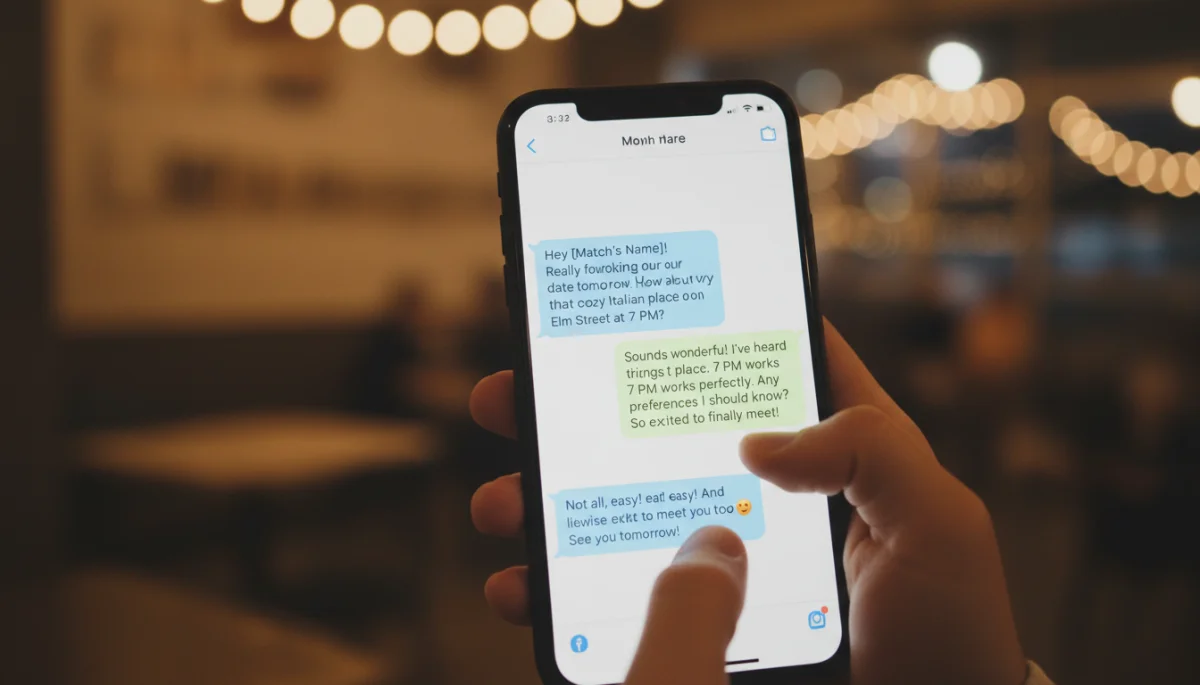
Pre-date texting serves multiple purposes: confirming plans, building rapport, and gauging mutual interest. It’s an opportunity to show your personality and enthusiasm without overdoing it. A good rule of thumb is to keep messages concise, positive, and open-ended to encourage conversation. Avoid sending multiple texts if you haven’t received a reply, as this can come across as overly eager or demanding.
Consider the timing of your messages. A quick text confirming the date a day or two beforehand is polite and shows you’re organized. If you need to reschedule, do so promptly and with a sincere apology. Remember, the goal is to make the other person feel comfortable and excited, not overwhelmed or pressured. The conversation should flow naturally, reflecting genuine curiosity about them.

Post-date digital follow-up: striking the right tone
After the date, digital communication becomes even more critical. The immediate post-date text can set the stage for a second meeting or provide closure. A simple, appreciative message within a few hours or the next day is usually well-received. Something like, “I had a great time tonight, thanks for a wonderful evening!” is often sufficient.
- Timeliness: Send a follow-up text within 12-24 hours. Don’t wait too long, but also don’t text immediately upon leaving.
- Brevity: Keep the initial message short and sweet. A lengthy paragraph can feel like too much too soon.
- Clarity of interest: If you’re interested in a second date, you can subtly hint at it or explicitly ask. For example, “I’d love to do it again sometime.”
- Respecting silence: If you don’t receive a reply, or if the reply is non-committal, respect their decision and avoid persistent messaging.
Avoid excessive texting or trying to analyze every word of their response. The digital realm can sometimes lead to overthinking. If you’re unsure, a brief, clear message is always better than ambiguity or silence. The aim is to continue the positive connection established during the date, not to create new anxieties.
The in-person experience: mastering the first date
While digital communication sets the stage, the in-person first date is where genuine connection truly blossoms. Mastering this experience involves a blend of preparation, mindful presence, and respectful interaction. It’s about making the other person feel valued and seen, fostering an environment where authentic personalities can shine.
Preparation and punctuality
Preparation goes beyond just choosing an outfit. It includes being familiar with the date location, arriving on time, and having a few conversation starters in mind. Punctuality demonstrates respect for the other person’s time and shows you’re serious about the date. If you anticipate being late, a quick text explaining the delay is always appreciated.
Consider your appearance. While you don’t need to overdress, presenting yourself neatly and appropriately for the chosen activity shows effort. It’s about feeling confident and comfortable, which will naturally translate into a more relaxed demeanor. A little planning can alleviate pre-date jitters and allow you to focus on the interaction itself.
Active listening and engaging conversation
The cornerstone of a successful first date is engaging conversation. This isn’t just about talking; it’s about active listening. Show genuine interest in what your date is saying, ask follow-up questions, and avoid interrupting. Share stories and insights about yourself, but ensure it’s a balanced exchange rather than a monologue. Maintain appropriate eye contact to convey attentiveness.
- Open-ended questions: Encourage deeper conversation beyond simple yes/no answers.
- Finding common ground: Look for shared interests or experiences to build rapport.
- Avoiding sensitive topics: Steer clear of politics, ex-partners, or overly negative subjects on a first date.
- Mindful presence: Put your phone away and give your date your undivided attention.
It’s natural to feel nervous, but focusing on the present moment and genuinely connecting with your date can help. Remember, a first date is an opportunity to explore if there’s mutual interest and compatibility, not an interrogation. Keep the atmosphere light and enjoyable, allowing both of you to relax and be yourselves.
Modern considerations: consent, boundaries, and safety
In today’s dating environment, discussions around consent, personal boundaries, and safety are more prominent and crucial than ever. Modern first date etiquette emphasizes clear communication and mutual respect in these areas, ensuring a comfortable and secure experience for everyone involved. These aren’t just legal or ethical guidelines; they are fundamental components of building trust and genuine connection.
Establishing clear boundaries
Before, during, and after a date, clearly communicating and respecting personal boundaries is paramount. This includes physical boundaries, conversational topics, and even expectations for future interactions. If something makes you uncomfortable, it’s perfectly acceptable, and indeed encouraged, to voice it respectfully. Similarly, be attentive to your date’s non-verbal cues and verbal statements regarding their comfort levels.
For instance, if you prefer not to discuss past relationships on a first date, you can politely steer the conversation to a different topic. If you’re not ready for a physical touch beyond a handshake, it’s important to convey that. Respecting these boundaries from the outset lays a foundation of trust and mutual understanding, which is essential for any healthy relationship to develop.
The importance of consent
Consent is an ongoing, enthusiastic, and clear agreement to engage in any activity. On a first date, this primarily applies to physical interactions, but it also extends to how you communicate and interact. Never assume consent based on prior interactions or perceived interest. Always seek clear, affirmative consent for any physical touch or escalation of intimacy.
- Explicit communication: Use clear language when discussing physical intimacy.
- Ongoing process: Consent can be withdrawn at any time, even if previously given.
- No pressure: Ensure your date feels no pressure to agree to anything they are uncomfortable with.
- Respecting ‘no’: A ‘no’ or any hesitation means ‘no.’ Respect it immediately and without question.
Understanding and practicing consent creates a safer and more respectful dating culture. It ensures both parties feel empowered and secure, knowing their autonomy is respected. This proactive approach to consent is a hallmark of thoughtful modern dating.
Prioritizing personal safety
Personal safety should always be a top priority, especially on a first date with someone you don’t know well. Share your date plans with a trusted friend or family member, including the location and estimated time of return. Consider meeting in a public place for the first few dates. If you feel uncomfortable at any point, have an exit strategy ready.
Trust your instincts. If something feels off, it probably is. It’s always better to err on the side of caution. Arrange your own transportation to and from the date, and avoid sharing too much personal information, such as your home address, until you’ve established a higher level of trust. These precautions are not about being paranoid, but about being smart and responsible in the dating world.
From digital to physical: making a lasting impression
The journey from an initial digital connection to a memorable in-person first date is crucial in modern dating. It’s about seamlessly transitioning from the curated online persona to an authentic real-world presence, ensuring that the lasting impression you make is genuine and positive. This delicate balance determines whether a potential connection truly takes root.
Authenticity in both realms
One of the biggest challenges in modern dating is maintaining authenticity across digital and physical interactions. Your online profile and messages should accurately reflect who you are, avoiding exaggerations or misrepresentations. When you meet in person, strive to be the same person your date connected with online. Discrepancies can lead to disappointment and a breakdown of trust.
Being genuine doesn’t mean revealing every detail about yourself immediately. It means presenting an honest representation of your personality, interests, and values. This consistency builds credibility and makes it easier for your date to feel comfortable and engaged. Remember, the goal is to find someone who appreciates the real you, not an idealized version.
Creating memorable moments
A lasting impression often comes from creating memorable moments rather than grand gestures. This can be as simple as a thoughtful question that sparks a deep conversation, a shared laugh over a funny anecdote, or a genuine compliment. Pay attention to details and show you’re invested in the interaction.
- Unique date ideas: Suggest activities that reflect your personality and offer opportunities for conversation.
- Shared experiences: Engage in activities that create a shared memory, like a walk in a park or a visit to a unique cafe.
- Genuine compliments: Offer sincere compliments that are specific and thoughtful, rather than generic.
- Humor and lightness: Don’t be afraid to use humor to keep the atmosphere relaxed and enjoyable.
The best first dates are those where both individuals feel comfortable, heard, and genuinely enjoy each other’s company. It’s not about perfection, but about connection. By focusing on authentic interaction and creating a positive, respectful environment, you significantly increase your chances of making a lasting, positive impression that could lead to future dates.


The post-date phase: reflection and next steps
The first date doesn’t truly end when you say goodbye. The post-date phase is a critical time for reflection and deciding on next steps. It involves processing the experience, understanding your feelings, and communicating effectively if you wish to pursue a second date. This period is as important as the date itself in navigating the complexities of modern dating.
Reflecting on the experience
After the date, take some time to reflect on how you felt. Did you enjoy their company? Did you feel a genuine connection? Were there any red flags or areas of concern? Be honest with yourself about your impressions and whether you see potential for a second date. This self-assessment is vital for making informed decisions about moving forward.
Consider both the positive and negative aspects. Were they punctual? Did they listen actively? Did you feel heard and respected? Conversely, were there moments of discomfort or disinterest? This reflection helps you clarify your feelings and ensures you’re making choices that align with your dating goals and personal well-being.
Communicating interest (or lack thereof)
Once you’ve reflected, the next step is communication. If you’re interested in a second date, a polite and clear message expressing your enjoyment and desire to meet again is appropriate. As mentioned earlier, a simple text the next day can suffice. Be direct but not overly pushy. Give them space to respond.
- If interested: Express genuine enjoyment and suggest a potential second date.
- If not interested: A polite, honest, and brief message is best. Avoid ghosting.
- Respectful rejection: “I had a nice time, but I don’t think we’re a match” is often enough.
- Avoiding ambiguity: Be clear in your communication to prevent misunderstandings.
If you’re not interested, a kind and honest rejection is always preferred over ghosting. While it might feel uncomfortable, it’s a respectful way to end a potential connection and allows both parties to move on. Avoid making excuses or giving false hope. Honesty, delivered kindly, is the best policy in the post-date phase.
Common pitfalls and how to avoid them
Even with the best intentions, first dates can encounter various pitfalls that derail potential connections. Recognizing these common missteps and understanding how to avoid them is a crucial aspect of mastering modern first date etiquette. Proactive awareness can significantly improve your dating success.
Over-reliance on digital pre-screening
While digital communication is essential, an over-reliance on pre-date ‘screening’ can be detrimental. Spending too much time researching someone’s social media or engaging in lengthy text exchanges before meeting can create an idealized image that the real person may struggle to live up to. This can lead to disappointment and missed opportunities.
The goal of digital interaction should be to gauge initial interest and set up a meeting, not to conduct a full background check or build an entire relationship online. Save some mystery for the in-person date. Allow for genuine discovery and chemistry to unfold naturally, rather than trying to pre-determine every aspect of the interaction.
The ‘interview’ trap
Many first dates fall into the ‘interview’ trap, where one person asks a series of questions and the other provides answers, lacking genuine conversational flow. This can feel transactional and prevent a real connection from forming. A date should be a dynamic exchange, not a job interview.
- Share personal anecdotes: Illustrate your points with short, relevant stories.
- Ask follow-up questions: Show genuine interest by delving deeper into their responses.
- Listen actively: Pay attention to their answers and build on them, rather than moving to the next pre-planned question.
- Be vulnerable (appropriately): Share a bit about yourself to encourage reciprocity.
To avoid this, focus on creating a conversational rhythm. Think of it as a tennis match where you hit the ball back and forth, rather than a solo serving practice. Allow for silences, tangents, and humor. The best conversations are those that feel natural and unforced, revealing aspects of both personalities.
Ignoring red flags or gut feelings
It’s easy to get caught up in the excitement of a new connection and overlook potential red flags or ignore uncomfortable gut feelings. However, modern dating etiquette emphasizes prioritizing your well-being. If something feels off, or if your date exhibits behavior that concerns you, acknowledge it.
Don’t rationalize away behaviors that make you uneasy. Whether it’s a dismissive attitude, excessive negativity, or a lack of respect for boundaries, these are important indicators. Trust your intuition. A first date is a chance to assess compatibility and safety, and ignoring these signals can lead to more significant issues down the line. Your comfort and security are paramount.
| Key Aspect | Modern Etiquette Guideline |
|---|---|
| Pre-Date Messaging | Keep it engaging, respectful, and focused on setting the date. Avoid oversharing or excessive texting. |
| In-Person Interaction | Practice active listening, maintain eye contact, and engage in balanced conversation. Put your phone away. |
| Consent & Boundaries | Communicate clearly and respect personal limits in all interactions. Consent is ongoing and enthusiastic. |
| Post-Date Follow-up | Send a timely, appreciative message. Be clear about interest (or lack thereof) to avoid ambiguity. |
Frequently asked questions about first date etiquette
It’s generally recommended to send a follow-up text within 12 to 24 hours after the date. This shows you’re interested and appreciative without appearing overly eager. A simple message expressing that you had a good time is usually sufficient to start.
Ideally, you should keep your phone put away and on silent during a first date. Checking your phone can signal disinterest or disrespect. If there’s an urgent matter you must attend to, politely excuse yourself for a moment to handle it, explaining why.
While traditional norms suggested one person pays, modern etiquette is more flexible. It’s common for both individuals to offer to split the bill. The person who initiated the date might offer to pay, but it’s always polite for the other person to offer to contribute or at least offer to cover the next round.
Share enough to be engaging and authentic, but avoid oversharing highly personal or sensitive details. Keep it light and focus on getting to know each other’s general interests and personalities. Save deeper revelations for when you’ve built more trust and established a stronger connection.
It’s perfectly normal for there to be no chemistry. Be polite and respectful throughout the date. Afterwards, if you’re not interested in a second date, send a brief, kind message expressing that you had a nice time but don’t feel a romantic connection. Avoid ghosting or leading them on.
Conclusion
Navigating the contemporary dating scene requires a nuanced understanding of first date etiquette, balancing the digital with the in-person. By embracing thoughtful digital communication, practicing active listening, prioritizing safety, and maintaining authenticity, individuals can foster genuine connections. The evolving landscape demands adaptability and respect, ensuring that every interaction, from the initial text to the final goodbye, contributes positively to the dating experience. Ultimately, successful first dates in this modern era are built on clarity, consideration, and a commitment to genuine human connection.
