eHarmony’s Compatibility Quiz: Mastering Match Quality

eHarmony’s compatibility quiz dimensions significantly influence match quality by analyzing key personality traits, values, and relationship goals, fostering deeper and more meaningful connections for users seeking serious relationships.
Navigating the complex world of online dating often feels like a shot in the dark, but platforms like eHarmony aim to change that. Understanding eHarmony’s compatibility quiz: how its dimensions influence match quality is crucial for anyone seeking a truly meaningful connection. This quiz isn’t just a formality; it’s the foundation of their entire matching system.
The Genesis of eHarmony’s Compatibility Model
eHarmony’s approach to online dating stands apart from many swipe-based apps, largely due to its foundational compatibility quiz. This isn’t a casual questionnaire; it’s a meticulously designed assessment rooted in psychological principles, aiming to delve deep into an individual’s core characteristics. The goal is to move beyond superficial attractions and identify fundamental compatibilities that foster lasting relationships.
The origins of eHarmony’s model can be traced back to extensive research in relationship psychology and marital satisfaction. Dr. Neil Clark Warren, a clinical psychologist, co-founded eHarmony with a vision to create a system that could predict long-term relationship success. This vision materialized into a comprehensive questionnaire that explores various facets of a person’s life, values, and personality, forming the bedrock of their patented matching algorithm.
Understanding the 29 Dimensions of Compatibility
At its core, eHarmony’s system evaluates users across 29 dimensions of compatibility. These aren’t just random questions; they are carefully selected areas believed to be critical for a successful partnership. These dimensions span a wide array of personal attributes and relationship dynamics, providing a holistic view of each individual.
- Character and Emotional Temperament: This includes traits like curiosity, adaptability, and sense of humor, as well as emotional stability and expressiveness.
- Social Style and Values: Questions here explore how individuals interact with others, their social preferences, and their core moral and ethical beliefs.
- Key Relationship Skills: This dimension assesses communication styles, conflict resolution approaches, and the capacity for empathy and understanding.
The initial quiz can be quite lengthy, often taking 20 to 60 minutes to complete. This investment of time is intentional, as it encourages users to think deeply about themselves and their ideal partner, simultaneously filtering out those who are not serious about finding a committed relationship. The depth of this assessment is what sets eHarmony apart, attempting to quantify the intangible aspects of human connection that often lead to successful partnerships.
Ultimately, the genesis of eHarmony’s model is about building a scientific framework for love. By moving beyond surface-level preferences, the platform endeavors to connect individuals who are not just attracted to each other, but who are also fundamentally aligned in ways that support enduring intimacy and shared life goals. This commitment to a data-driven approach is what defines the initial step in understanding eHarmony’s unique value proposition in the dating landscape.
The Psychological Underpinnings of the Quiz Dimensions
eHarmony’s compatibility quiz is not merely a collection of questions; it’s a sophisticated psychological instrument designed to map individual personalities and preferences against a framework proven to foster relationship success. The dimensions are deeply rooted in established psychological theories, particularly those pertaining to personality traits and interpersonal dynamics.
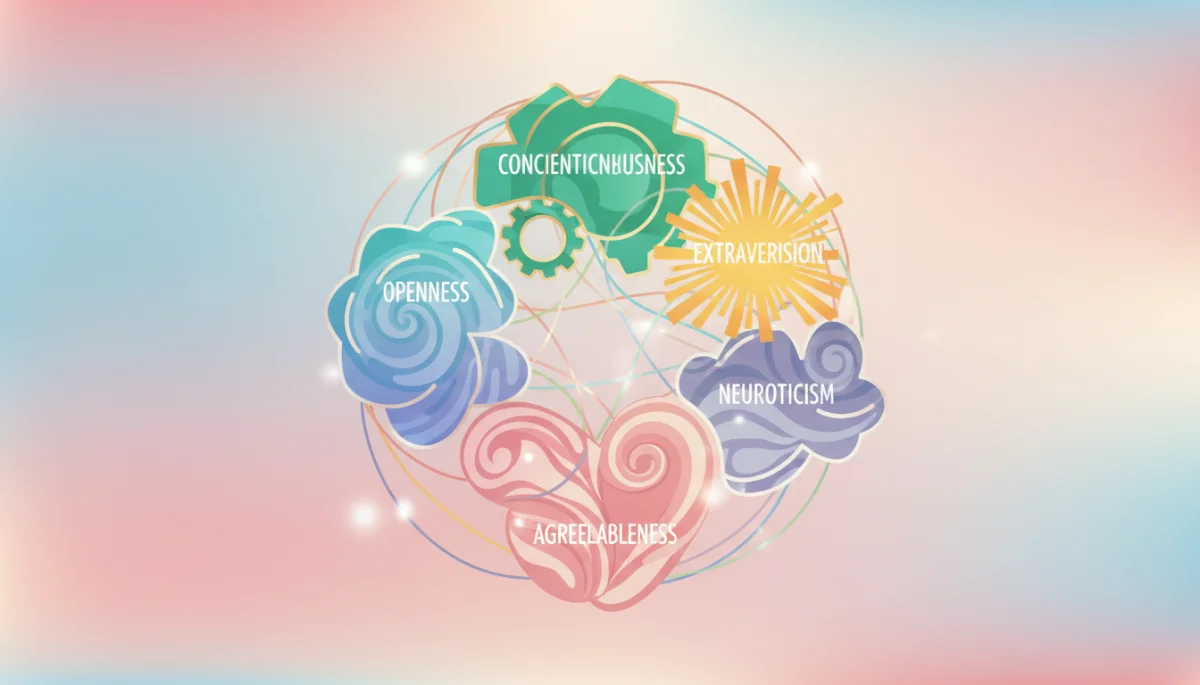
One of the primary psychological models influencing the quiz is the Five-Factor Model of personality, often referred to as the ‘Big Five.’ This model posits that personality can be largely described by five broad traits: openness, conscientiousness, extraversion, agreeableness, and neuroticism. eHarmony’s questions are crafted to uncover where individuals fall on these spectrums, as research suggests that certain combinations of these traits contribute to relationship harmony.
Exploring Key Personality Traits
The quiz delves into various aspects of personality, seeking to understand how you operate in the world and how you might interact with a partner. For instance, questions about your social preferences aim to gauge your extraversion or introversion, while inquiries into your organizational habits might assess conscientiousness.
- Openness to Experience: Do you enjoy new ideas, travel, and artistic pursuits? This dimension assesses intellectual curiosity and a willingness to explore.
- Conscientiousness: Are you organized, disciplined, and goal-oriented? This speaks to your reliability and approach to responsibilities.
- Extraversion: Do you thrive in social settings, or prefer quiet reflection? This trait influences social energy and interaction style.
- Agreeableness: Are you compassionate, cooperative, and eager to please? This relates to your interpersonal kindness and empathy.
- Neuroticism (Emotional Stability): How do you handle stress, anxiety, and emotional fluctuations? This dimension is crucial for understanding emotional resilience.
Beyond personality, the quiz also probes into attachment styles. Derived from attachment theory, these styles describe how individuals typically form and maintain emotional bonds. Understanding whether someone is securely attached, anxious-preoccupied, dismissive-avoidant, or fearful-avoidant can offer significant insights into their relationship patterns and needs. eHarmony integrates questions that subtly reveal these styles, allowing them to match individuals whose attachment needs might complement each other, rather than clash.
The psychological underpinnings of the quiz are designed to create a comprehensive profile that goes beyond surface-level compatibility. By analyzing these deep-seated traits and patterns, eHarmony aims to predict long-term relationship potential, connecting individuals who are not only attracted to each other but also possess the psychological foundations for a stable and fulfilling partnership. This scientific approach differentiates eHarmony, emphasizing a commitment to understanding the intricacies of human connection.
How Dimensional Scores Translate into Match Quality
Once you complete eHarmony’s extensive compatibility quiz, your responses are not simply stored; they are meticulously analyzed and translated into scores across the 29 dimensions. These scores form the backbone of your unique compatibility profile, which is then used to find potential partners. The true magic of eHarmony lies in how these dimensional scores are interpreted and utilized to generate high-quality matches.
eHarmony’s algorithm doesn’t just look for identical scores; it seeks complementary ones. For example, two highly extroverted individuals might enjoy each other’s company, but sometimes a balance between an extrovert and a slightly more introverted partner can lead to a more harmonious dynamic. The system is designed to identify these nuanced alignments, ensuring that differences are complementary rather than conflicting.
The Role of Complementary Traits
The concept of complementary traits is central to eHarmony’s matching philosophy. While shared values and goals are crucial, certain personality differences can actually enhance a relationship, bringing balance and new perspectives. The algorithm is sophisticated enough to distinguish between differences that create friction and those that foster growth and mutual understanding.
- Communication Styles: Matching individuals whose communication methods are clear and understandable to each other, even if different.
- Conflict Resolution: Pairing those with compatible approaches to handling disagreements, preventing minor issues from escalating.
- Emotional Needs: Identifying individuals whose emotional support styles align, ensuring both partners feel heard and valued.
The algorithm assigns a Compatibility Score to each potential match, which is a key indicator of how well two profiles align across all 29 dimensions. This score is not just an arbitrary number; it’s a reflection of the deep analysis performed on your quiz responses. Higher compatibility scores generally indicate a greater likelihood of shared values, complementary personalities, and a stronger foundation for a lasting relationship. Users can see these scores and detailed breakdowns of their compatibility with each match, providing transparency into the matching process.
Ultimately, the translation of dimensional scores into match quality is a complex process that moves beyond simple similarities. It involves a sophisticated algorithm that considers both shared attributes and complementary differences, aiming to create pairings that have the highest potential for long-term success and mutual fulfillment. This meticulous approach is what gives eHarmony its reputation for fostering serious, enduring relationships, making the initial investment in the compatibility quiz truly worthwhile for users.
The Impact of Values and Beliefs on Long-Term Compatibility
While personality traits and emotional temperaments are vital, eHarmony recognizes that shared values and beliefs form the bedrock of any enduring relationship. The compatibility quiz dedicates significant attention to these deeper aspects, understanding that fundamental disagreements in these areas can lead to irreconcilable differences over time, regardless of initial attraction or personality alignment.
The quiz explores a range of value-based dimensions, from spiritual and religious beliefs to political views, family aspirations, and lifestyle choices. It’s not about finding someone who agrees with you on every single point, but rather identifying individuals whose core values are either aligned or can be respectfully accommodated. For instance, two people with different religious backgrounds might still be highly compatible if they share a common respect for each other’s beliefs and a similar approach to spirituality in general.
Core Values as Relationship Anchors
Shared core values act as anchors in a relationship, providing stability and a common direction, especially during challenging times. When partners are aligned on what truly matters to them, they are better equipped to navigate life’s complexities together.
- Family Aspirations: Questions about desire for children, parenting styles, and the role of extended family.
- Financial Management: Attitudes towards saving, spending, and financial goals.
- Life Goals and Ambitions: Career aspirations, personal growth, and long-term visions for the future.
- Social and Ethical Beliefs: Views on community involvement, social justice, and personal integrity.
eHarmony’s algorithm meticulously analyzes these value-based responses, recognizing that certain discrepancies can be deal-breakers for long-term happiness. For example, if one person is adamant about having children and the other is not, no amount of personality compatibility will bridge that fundamental gap. The system prioritizes these non-negotiables, aiming to prevent future heartache by identifying potential conflicts early on.
The impact of values and beliefs on long-term compatibility cannot be overstated. By focusing on these deeper dimensions, eHarmony strives to create matches that are not just enjoyable in the short term, but are built on a foundation of shared principles and mutual respect, increasing the likelihood of a stable, fulfilling, and lasting partnership. This emphasis on fundamental alignment is a cornerstone of eHarmony’s strategy for fostering high-quality relationships.
The Role of Communication and Conflict Resolution Styles
Beyond personality and values, the way individuals communicate and handle disagreements is paramount to relationship success. eHarmony’s compatibility quiz dedicates specific sections to understanding these crucial interpersonal skills, recognizing that effective communication and constructive conflict resolution are not innate for everyone, but are learned behaviors that significantly impact relationship longevity and satisfaction.
The quiz probes into various aspects of communication, such as your preferred style (direct vs. indirect), how openly you express your feelings, and your comfort level with discussing difficult topics. It also assesses your active listening skills and your tendency to seek understanding versus simply waiting to speak. These insights help eHarmony identify matches where communication styles are either naturally harmonious or offer complementary strengths that can foster growth.
Navigating Disagreements Constructively
Conflict is an inevitable part of any relationship, but how couples manage it makes all the difference. The quiz explores your typical reactions to disagreements and your preferred methods for resolving them.
- Expression of Needs: How effectively do you articulate your needs and boundaries during a conflict?
- Empathy and Perspective-Taking: Are you able to understand and acknowledge your partner’s viewpoint, even if you disagree?
- Seeking Resolution: Do you actively work towards a solution, or do you tend to avoid conflict or let it fester?
- Forgiveness and Moving Forward: Your capacity to forgive and move past issues, preventing grudges from accumulating.
eHarmony’s algorithm doesn’t necessarily look for partners who never argue, but rather those who possess compatible conflict resolution styles. For example, a person who prefers to address issues head-on might be well-matched with someone who is also direct and open to discussion, rather than someone who tends to withdraw. Conversely, a more reserved individual might benefit from a partner who encourages open dialogue gently, rather than aggressively.
The insights gained from these communication and conflict resolution dimensions are critical for match quality. By pairing individuals whose approaches to these vital relationship aspects are either aligned or healthily complementary, eHarmony aims to equip couples with the foundational tools needed to navigate challenges effectively, fostering a dynamic where understanding and growth prevail over unresolved tension. This focus on practical relationship skills underscores the quiz’s comprehensive nature in predicting long-term success.
The Continuous Evolution of the Matching Algorithm
eHarmony’s commitment to fostering meaningful relationships doesn’t end with the initial compatibility quiz. The platform continuously evolves its matching algorithm, integrating new research, user feedback, and advancements in data science. This iterative process ensures that the system remains relevant and increasingly effective in connecting individuals who are genuinely compatible.
The evolution involves constant refinement of the 29 dimensions themselves, as well as the weighting and interpretation of responses. As societal norms change and new relationship dynamics emerge, eHarmony adapts its understanding of what constitutes a successful partnership. This responsiveness keeps the algorithm dynamic, allowing it to learn and improve over time, much like a living system.

Feedback Loops and Data Analysis
A significant part of this evolution comes from user data and feedback. eHarmony actively monitors the success rates of matches and gathers insights from couples who have found love through the platform. This real-world data is invaluable, providing empirical evidence of what works and what might need adjustment within the algorithm.
- Success Stories: Analyzing the profiles and quiz responses of couples who have formed lasting relationships to identify common patterns.
- User Engagement: Tracking how users interact with their matches, including message exchanges and date follow-ups, to gauge initial compatibility in practice.
- Psychological Research: Incorporating new findings from relationship psychology, sociology, and behavioral science to enhance the model’s predictive power.
Furthermore, eHarmony employs machine learning techniques to identify subtle patterns and correlations that might not be immediately obvious through traditional statistical analysis. This allows the algorithm to become more intelligent and precise in its recommendations, recognizing complex interactions between different dimensions of compatibility. The goal is to move beyond simple correlation to a deeper understanding of causation in relationship success.
The continuous evolution of eHarmony’s matching algorithm ensures that the platform remains at the forefront of scientifically-driven online dating. By constantly refining its understanding of compatibility, integrating user feedback, and leveraging advanced data analysis, eHarmony strives to provide an increasingly accurate and effective service for individuals seeking profound and lasting connections. This dedication to improvement reinforces the platform’s commitment to quality over quantity in the realm of online dating.
Maximizing Your eHarmony Experience: Tips for the Quiz and Beyond
To truly benefit from eHarmony’s unique approach, it’s essential to engage with the compatibility quiz thoughtfully and honestly. Your responses are the foundation of your matching experience, so investing time and sincerity here will significantly impact the quality of your potential connections. Beyond the quiz, there are strategies to enhance your overall journey on the platform.
When taking the quiz, resist the urge to answer based on what you think a potential partner might want to hear. Authenticity is key. Reflect deeply on your true preferences, values, and personality traits. Remember, the goal isn’t to be universally appealing, but to find someone who is genuinely compatible with the real you. Inconsistencies or dishonest answers will only lead to mismatched expectations and frustration down the line.
Crafting an Authentic Profile and Engaging Actively
- Be Specific and Detailed: Instead of generic statements, share specific anecdotes or interests that reveal who you are.
- Use Recent, High-Quality Photos: Include a variety of clear, recent photos that showcase your personality and lifestyle.
- Highlight Your Passions: Talk about what genuinely excites you and brings you joy. This can be a great conversation starter.
Once you start receiving matches, engage actively and thoughtfully. Don’t just send generic messages. Review your match’s profile and compatibility breakdown, and craft personalized messages that reference shared interests or intriguing aspects of their profile. This shows genuine interest and sets a positive tone for potential conversations. Be patient, as finding a deeply compatible partner often takes time and consistent effort.
Furthermore, be open-minded within the parameters of your compatibility. While eHarmony’s algorithm is robust, sometimes the best connections emerge from unexpected places. Give matches a fair chance, even if they don’t perfectly align with every single one of your preconceived notions. The platform’s strength lies in identifying deeper compatibilities that might not be immediately apparent. By approaching the quiz with honesty and the subsequent interactions with openness and genuine engagement, you can significantly maximize your eHarmony experience and increase your chances of finding a lasting, meaningful relationship.
| Key Aspect | Description |
|---|---|
| 29 Dimensions | eHarmony’s quiz assesses users across 29 key areas of personality, values, and relationship skills for deep compatibility. |
| Psychological Basis | The quiz is rooted in established psychological theories like the Big Five personality traits and attachment theory. |
| Match Quality | Scores across dimensions translate into a Compatibility Score, aiming for complementary traits and shared values. |
| Algorithm Evolution | eHarmony continuously refines its algorithm using user feedback and new research to improve matching accuracy. |
Frequently Asked Questions About eHarmony Compatibility
The 29 dimensions cover a broad spectrum of personality traits, values, and relationship skills, including emotional temperament, social style, key relationship skills, and core beliefs. They are designed to create a holistic profile, moving beyond superficial attractions to identify deeper, more fundamental compatibilities for lasting relationships.
The initial compatibility quiz can take anywhere from 20 to 60 minutes to complete. This time investment is intentional, as it encourages users to reflect deeply on their preferences and personality, filtering for individuals serious about finding a committed relationship and providing comprehensive data for accurate matching.
While core personality traits tend to be stable, eHarmony allows users to update their profiles and, in some cases, retake parts of the quiz to reflect personal growth or changes in priorities. The algorithm itself also evolves, meaning your compatibility with potential matches might be re-evaluated as the system improves its understanding of relationships.
eHarmony’s compatibility quiz significantly increases the likelihood of finding a compatible partner by focusing on deep alignment. While no dating platform can offer a guarantee, its scientifically-driven approach is designed to present you with individuals who have a strong foundation for a successful relationship, fostering quality over sheer quantity of matches.
Honesty is paramount when taking the eHarmony compatibility quiz. Providing sincere answers ensures that the algorithm can accurately assess your true self and match you with individuals who are genuinely compatible with you. Inauthentic responses can lead to frustrating mismatches and hinder your journey to finding a meaningful, lasting relationship.
Conclusion
eHarmony’s compatibility quiz stands as a testament to the power of a scientifically-driven approach in the realm of online dating. By meticulously analyzing 29 dimensions of personality, values, and relationship skills, the platform moves beyond superficial connections to foster deeply compatible matches. Understanding how these dimensions influence match quality empowers users to engage more effectively with the process, from honest self-assessment to thoughtful interaction. The continuous evolution of eHarmony’s algorithm, fueled by psychological research and user feedback, underscores its commitment to helping individuals forge lasting, fulfilling relationships. For those seeking a serious partnership, investing in eHarmony’s comprehensive system offers a robust pathway to discovering meaningful connections built on a foundation of genuine compatibility.
