Identity Theft Prevention: Dating Site Safety

Protecting your personal information on dating sites is crucial for identity theft prevention, requiring vigilance and proactive measures to safeguard your digital footprint and ensure a secure online dating experience.
Navigating the world of online dating can be exciting, but it also comes with inherent risks, particularly concerning dating site identity theft. Understanding how to protect your personal information on dating sites is not just a recommendation; it’s a necessity in today’s digital landscape.
Understanding the Threat: Why Dating Sites are Targets
Dating sites, by their very nature, encourage users to share personal details to foster connections. This openness, while essential for building relationships, inadvertently creates a fertile ground for identity thieves. The information you willingly provide, combined with what can be gleaned from your public profiles, can be pieced together to construct a surprisingly complete picture of your identity.
Cybercriminals are constantly evolving their tactics, and dating platforms offer unique avenues for exploitation. They often prey on emotional vulnerability, using deceptive profiles and sophisticated social engineering techniques to extract sensitive data. This can range from seemingly innocuous details that help them answer security questions to direct requests for financial information under false pretenses.
The Lure of Personal Information
Identity thieves are not just looking for your credit card number. They seek a broader range of data that can be used for various fraudulent activities. This includes your full name, date of birth, address, workplace, and even your pet’s name or your mother’s maiden name—details often used as security verification.
- Phishing Scams: Attackers create fake login pages or send emails impersonating dating sites to steal credentials.
- Catfishing: Impersonating someone else to build a relationship and then exploit the victim financially or for personal data.
- Malware Distribution: Sending malicious links or attachments through messaging systems to infect your device.
- Doxing: Publicly releasing your private information obtained from your profile or conversations.
The consequences of such breaches can be severe, leading to financial loss, damage to credit, and significant emotional distress. Therefore, a proactive and informed approach to security is paramount when engaging with online dating platforms.
Crafting a Secure Profile: What to Share and What to Withhold
Your dating profile is your digital storefront, but it shouldn’t be an open book. Striking the right balance between presenting an appealing persona and safeguarding your privacy is crucial. Many users inadvertently expose too much information, making themselves easy targets for identity theft.
Think critically about every piece of information you post. While it might seem harmless to mention your favorite coffee shop or your job title, these details, when combined with other publicly available data, can create a breadcrumb trail leading directly to your real-world identity.
Minimalist Approach to Personal Details
When creating your profile, adopt a minimalist mindset. Provide enough information to spark interest and facilitate conversation, but avoid specifics that could be used to locate or impersonate you. Generic information is your friend in this context.
- Avoid Full Name: Use only your first name or a nickname.
- Generalize Location: Instead of your exact city, use a broader region or state.
- Omit Workplace Details: Never share your employer’s name, especially if it’s a small company or easily traceable.
- Be Vague About Routines: Do not post details about your daily commute, gym schedule, or places you frequent regularly.
Remember, the goal is to get to know someone through conversation, not to provide a data miner with a treasure trove of personal facts. As you build trust, you can gradually share more, but always do so with caution and a clear understanding of the risks involved.
Enhancing Account Security: Passwords and Two-Factor Authentication
Beyond what you share on your profile, the security measures you implement for your dating app accounts are fundamental. A strong password acts as the first line of defense, but in today’s threat landscape, it’s often not enough. Two-factor authentication (2FA) adds a critical layer of protection that can thwart even sophisticated attackers.
Many users recycle passwords across multiple accounts, a practice that significantly increases vulnerability. If one service is breached, all accounts sharing that password become susceptible. Developing a habit of using unique, complex passwords for every online service is a cornerstone of digital hygiene.
The Power of Strong, Unique Passwords
A strong password is not just long; it’s a combination of uppercase and lowercase letters, numbers, and symbols. Avoid easily guessable information like birthdays, names, or common phrases. Password managers can be invaluable tools for creating and securely storing these complex credentials, ensuring you don’t have to remember dozens of intricate passwords.
Two-factor authentication (2FA) adds another layer by requiring a second form of verification, typically a code sent to your phone or generated by an authenticator app, in addition to your password. This means that even if a hacker obtains your password, they cannot access your account without also having access to your second verification method.
- Enable 2FA: Always activate two-factor authentication on dating apps if available.
- Use Password Managers: Utilize tools like LastPass or 1Password to generate and store strong, unique passwords.
- Regular Password Updates: Change your dating app passwords periodically, especially if you suspect any unusual activity.
By taking these essential steps, you significantly reduce the risk of unauthorized access to your dating profiles, protecting your personal information from potential identity thieves. These practices extend beyond dating apps to all your online accounts, forming a robust personal cybersecurity strategy.
Vigilance in Communication: Recognizing Red Flags and Scams
Once you start communicating with potential matches, vigilance becomes your most powerful tool. Identity thieves and scammers often employ psychological tactics to build trust quickly and then exploit that trust. Learning to recognize common red flags in conversations can help you avoid falling victim to their schemes.
Scammers are masters of manipulation. They might rush to move the conversation off the dating app to a less secure platform, ask overly personal questions early on, or create elaborate stories designed to elicit sympathy and eventually financial aid or personal data.
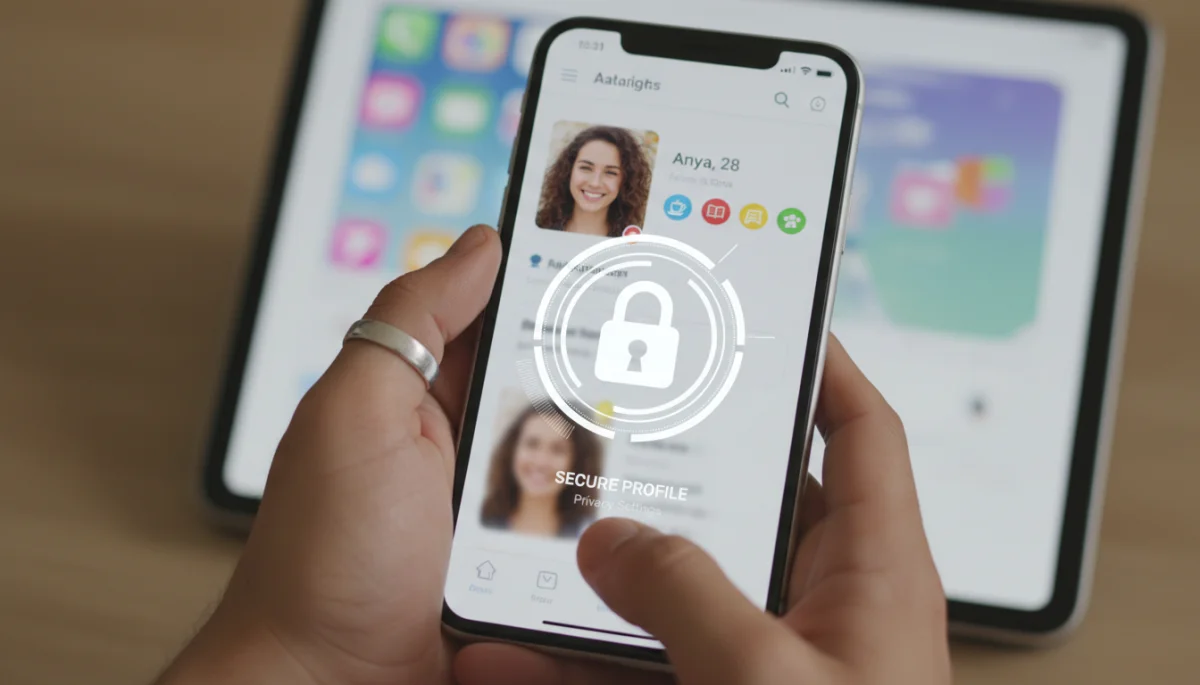
Common Scams and How to Spot Them
Be wary of profiles that seem too good to be true, or individuals who profess strong feelings very quickly without having met. These are classic signs of romance scams. They might claim to be traveling, working overseas, or facing an urgent crisis that requires financial assistance.
- Requests for Money: Any request for financial help, no matter how small or urgent, is a major red flag.
- Asking for Personal Documents: Never share copies of your ID, passport, or utility bills.
- Moving Off-Platform Quickly: Scammers often want to move to email, text, or other messaging apps to avoid dating app moderation.
- Inconsistent Stories: Pay attention to inconsistencies in their stories or details they’ve shared.
- Evasive Answers: If they avoid direct questions or provide vague responses, be suspicious.
Trust your instincts. If something feels off, it probably is. It’s always better to err on the side of caution and end communication with someone who raises your suspicions, even if it feels uncomfortable. Your safety and personal information are worth more than a potentially awkward conversation.
Securing Your Devices and Network: A Foundation for Online Safety
Your personal devices and the network you use are the gateways to your online dating experience. If these are compromised, even the most stringent dating app security measures can be undermined. Ensuring your smartphone, tablet, or computer are secure is a fundamental step in preventing identity theft.
Public Wi-Fi networks, while convenient, are often unsecured and can be easily intercepted by malicious actors. Using such networks for sensitive activities like logging into dating apps or any other platform where personal information is exchanged is a significant risk.
Best Practices for Device and Network Security
Always keep your operating system, dating apps, and antivirus software updated. These updates often include critical security patches that protect against newly discovered vulnerabilities. A strong antivirus program can detect and remove malware that might be attempting to steal your data.
- Use Strong Device Passwords: Secure your phone and computer with strong passcodes or biometric authentication.
- Avoid Public Wi-Fi: Refrain from accessing dating apps or other sensitive accounts on unsecured public Wi-Fi networks.
- Install Antivirus Software: Ensure all your devices have reputable antivirus and anti-malware protection.
- Regular Software Updates: Keep your operating system and all applications up to date to patch security vulnerabilities.
By maintaining robust security practices for your devices and network, you create a more secure environment for all your online activities, including dating. This comprehensive approach ensures that identity thieves have fewer entry points to access your valuable personal information.
Reporting Suspicious Activity and Staying Informed
Even with the best preventative measures, sometimes you might encounter suspicious profiles or direct attempts at fraud. Knowing how to report these incidents and staying informed about the latest scams are crucial components of a holistic identity theft prevention strategy on dating sites.
Dating apps typically have mechanisms for reporting suspicious behavior. Utilizing these features not only protects you but also contributes to the safety of the entire user community. Your report can lead to the removal of fraudulent accounts, preventing others from falling victim.
Leveraging Reporting Tools and Continuous Learning
Most dating platforms have a clear reporting process for profiles that seem fake, solicit money, or exhibit other suspicious behaviors. Don’t hesitate to use these tools. Providing detailed information in your report can help the platform’s security team act more effectively.
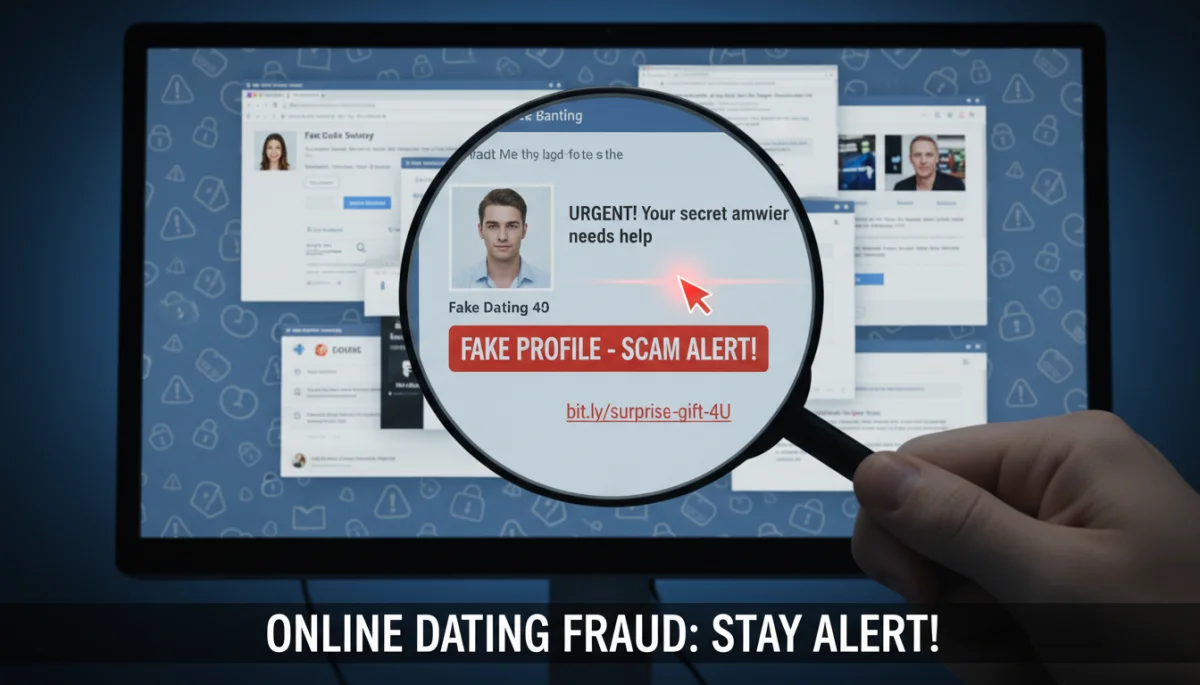
- Report Suspicious Profiles: Use the dating app’s reporting features for any profile that seems fake, asks for money, or behaves unusually.
- Block and Unmatch: Don’t hesitate to block and unmatch individuals who make you feel uncomfortable or suspicious.
- Stay Informed: Regularly read up on the latest online dating scams and identity theft tactics.
- Consult Official Resources: Refer to reputable cybersecurity blogs and government consumer protection websites for current advice.
Staying informed means actively seeking out information on new threats and cybersecurity best practices. The landscape of online fraud is constantly changing, and being aware of the latest trends can help you identify new risks and adapt your protective measures accordingly. Continuous education is key to long-term online safety.
| Key Point | Brief Description |
|---|---|
| Profile Minimalism | Share only essential, non-identifying information on your dating profile to avoid overexposure. |
| Strong Account Security | Implement unique, strong passwords and always enable two-factor authentication (2FA) for dating apps. |
| Vigilant Communication | Be alert to red flags like requests for money or personal documents, and avoid moving off-platform too quickly. |
| Device & Network Safety | Secure your devices with strong passwords and avoid using public Wi-Fi for sensitive online dating activities. |
Frequently Asked Questions About Dating Site Safety
You should never share your full name, home address, workplace, phone number, financial details, or specific daily routines. Keep your profile and initial conversations generalized to protect your privacy and prevent identity theft.
Look for profiles with overly perfect photos, inconsistent stories, or those that quickly profess strong feelings. Be wary if they ask for money, try to move off the platform immediately, or avoid video calls. Reverse image search their photos.
It is generally not recommended to link social media accounts directly. Social media often contains a wealth of personal information that identity thieves can exploit. Consider creating a separate, more private social media presence if you wish to share.
Immediately cease all communication with the suspicious individual. Report their profile to the dating site’s support team, providing as much detail as possible. Block them and consider informing local authorities if financial loss or threats are involved.
Two-factor authentication is extremely important. It adds a critical layer of security by requiring a second verification step beyond your password, making it significantly harder for unauthorized users to access your account even if they manage to steal your primary login credentials.
Conclusion
Navigating the digital dating world requires a blend of enthusiasm and astute caution. While dating sites offer incredible opportunities for connection, they also present unique challenges in safeguarding personal information. Prioritizing dating site identity theft prevention through thoughtful profile creation, robust account security, vigilant communication, and secure device practices is not merely about avoiding fraud; it’s about empowering yourself to engage authentically and safely. By adopting these proactive measures, you not only protect your identity but also cultivate a more secure and enjoyable online dating experience, allowing genuine connections to flourish without the constant shadow of cyber threats.
