Navigating Red Flags: Identifying Messaging Pitfalls on Dating Apps

Effectively navigating red flags in dating app messages is crucial for online safety and fostering genuine connections, as understanding common pitfalls and how to respond can protect users and enhance their dating experience.
In the expansive world of online dating, where connections are often forged through a series of messages, understanding how to identify and respond to common messaging pitfalls is paramount. Navigating Red Flags: Identifying and Responding to Common Messaging Pitfalls on Dating Platforms is not just about avoiding bad experiences; it’s about empowering yourself to build safer, more authentic connections. This guide will help you decipher those subtle (and not-so-subtle) signs that suggest caution, ensuring your online dating journey is as positive and secure as possible.
Understanding the Landscape of Online Dating Communication
Online dating has revolutionized how we meet people, but it also introduced a new set of communication challenges. Unlike face-to-face interactions, messaging lacks non-verbal cues, making it easier for individuals to misrepresent themselves or hide their true intentions. Recognizing the nuances of digital communication is the first step towards a safer and more successful dating experience.
The initial messages exchanged on dating platforms are critical. They serve as the foundation for potential relationships, but also as an early warning system. Learning to read between the lines and identify inconsistencies or manipulative language can save you time, emotional energy, and even protect your personal safety. This section will delve into the common communication patterns that often signal a red flag.
The Importance of First Impressions in Messaging
First impressions are not just about profile pictures; they are heavily influenced by the initial messages. A well-crafted, thoughtful message can set a positive tone, while a poorly constructed or suspicious one can immediately raise concerns. It’s crucial to pay attention to the details, as they often reveal more than superficial pleasantries.
- Generic Openers: Messages that feel copied and pasted, lacking any personalization, can indicate a lack of genuine interest or an attempt to cast a wide net without real engagement.
- Overly Forward Language: Messages that are immediately sexual or overly aggressive can be a significant red flag, suggesting a disregard for boundaries and respect.
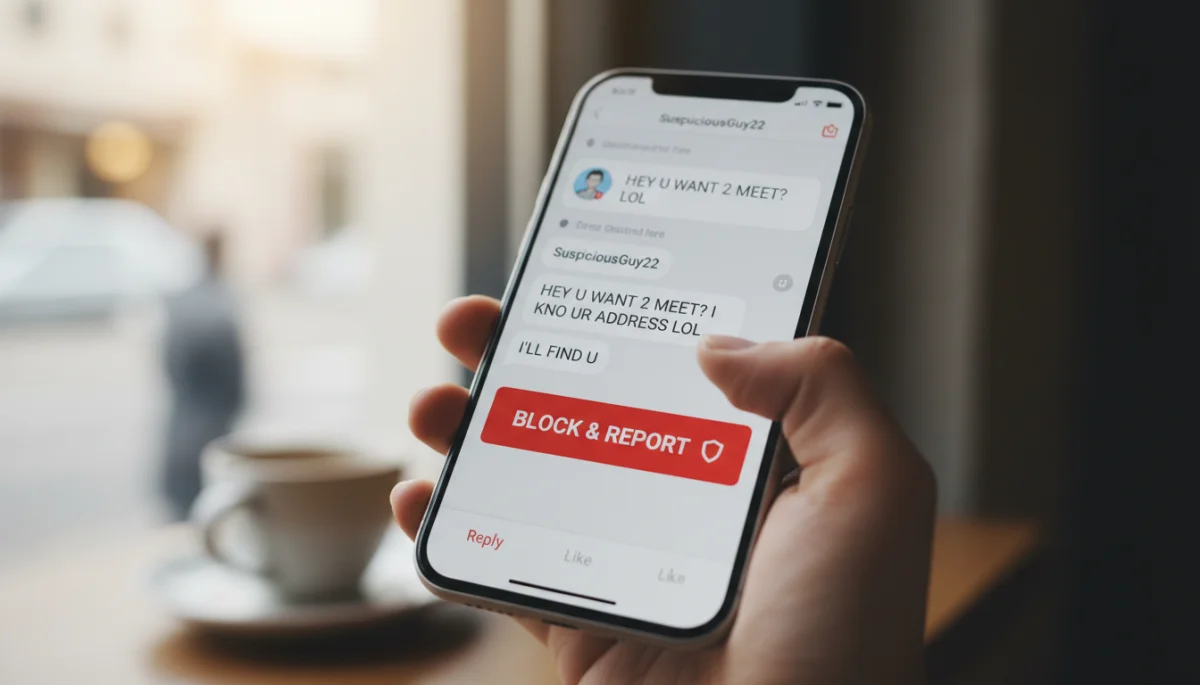
- Demanding Information: Early requests for personal contact information, financial details, or specific whereabouts without establishing trust are highly suspicious.
Understanding the landscape of online dating communication involves recognizing that not everyone is on these platforms with good intentions. By being vigilant and informed, you can better protect yourself from potential harm and focus on connecting with people who share your values and respect your boundaries. It’s about being smart and strategic in your interactions.
Early Warning Signs: Identifying Inconsistent or Evasive Communication
One of the most common and subtle red flags in online dating is inconsistent or evasive communication. This type of interaction can manifest in various ways, from vague answers to direct questions to significant discrepancies in their stories. Such patterns often suggest that the person is not being entirely truthful or may have something to hide, making it essential to pay close attention to how they communicate.
When someone consistently avoids answering specific questions or provides responses that feel deliberately vague, it’s a strong indicator that you should proceed with caution. This isn’t just about minor forgetfulness; it’s about a pattern of behavior that undermines trust. Your intuition is a powerful tool here; if something feels off, it probably is.
Spotting Discrepancies in Their Story
Liars often struggle to keep their narratives straight. As you exchange more messages, pay attention to details they’ve shared about their life, work, or past experiences. If their stories frequently change or contradict previous statements, it’s a clear sign of deception. These inconsistencies might be small at first, but they can accumulate and reveal a larger pattern of dishonesty.
- Changing Job Details: One week they are a software engineer, the next they work in finance, with no clear explanation for the shift.
- Inconsistent Personal Information: Varying details about their hometown, family, or educational background.
- Vague Future Plans: If they talk about future plans but are always evasive about specifics, it could be a sign they are not being genuine.
Evasive communication also includes deflection. If you ask a direct question and they respond with a question of their own, change the subject, or offer a generic compliment instead of an answer, they are likely trying to avoid revealing something. Trust is built on transparency, and a lack thereof is a significant red flag. Always prioritize your peace of mind and safety over trying to force a connection with someone who isn’t being forthright.
The Danger of Love Bombing and Over-the-Top Affection
Love bombing is a manipulative tactic where an individual showers another with excessive affection, compliments, and attention early in a relationship. While it might feel flattering initially, it’s a significant red flag that can quickly lead to emotional manipulation and control. This intense display of affection often feels too good to be true because it usually is.
The goal of love bombing is to create an intense emotional bond very quickly, making the recipient feel indebted or overwhelmed by the attention. This sets the stage for the manipulator to exert control later on. It’s important to remember that genuine intimacy and trust build over time, not overnight.
Recognizing the Signs of Love Bombing
Love bombers will often use grandiose language, declare strong feelings prematurely, and attempt to rush the relationship’s pace. They might talk about a future together after only a few messages or dates, or insist on constant communication and meeting up frequently, leaving little room for personal space or other commitments.
- Excessive Compliments: Constant, over-the-top praise that feels insincere or disproportionate to the level of interaction.
- Premature Declarations of Love: Saying “I love you” or discussing marriage/future together after a very short period of knowing each other.
- Intense Attention: Bombarding you with messages, calls, or gifts, making you feel overwhelmed rather than cherished.
It’s crucial to trust your gut when someone seems too perfect or too eager too soon. Healthy relationships develop organically, with mutual respect and a natural progression of feelings. If you feel pressured, overwhelmed, or like the relationship is moving too fast, it’s a strong indicator that love bombing might be at play. Prioritize your comfort and boundaries.
Financial Requests and Scams: Protecting Your Wallet and Well-being
One of the most insidious types of red flags on dating platforms involves financial requests or attempts to scam you. These individuals often prey on people’s desire for connection and can be incredibly sophisticated in their tactics. Protecting your financial well-being is just as important as protecting your emotional and physical safety in the online dating world.
Scammers typically build a rapport over weeks or months, creating a sense of trust and emotional attachment before making their move. They might concoct elaborate stories about emergencies, investments, or travel difficulties, all designed to solicit money from you. Always be skeptical of anyone who asks for financial assistance, regardless of how compelling their story may seem.
Common Scams and How to Identify Them
Scammers often use a variety of ploys. They might claim to be working overseas, making it impossible to meet in person, or they might describe a sudden, urgent medical crisis that requires immediate funds. They are experts at creating a sense of urgency and guilt to manipulate you into sending money. Be wary of any request that involves sending money through untraceable methods like gift cards or wire transfers.
- Overseas “Emergencies”: Claims of being stuck in a foreign country, needing money for a flight, medical emergency, or legal fees.
- Investment Opportunities: Suggesting you invest in a “secret” or “guaranteed” high-return scheme.
- “Unexpected” Expenses: Asking for money for a new phone, laptop, or other items they suddenly “need” to continue communicating with you.
Never send money to someone you’ve only met online, especially if you haven’t met them in person. Reputable dating platforms and financial institutions will always advise against this. If a match asks for money, it’s almost always a scam. Report them to the dating platform and cease all communication immediately. Your financial security should never be compromised for an online acquaintance.
Boundary Violations and Disrespectful Behavior
Beyond the obvious red flags, subtle boundary violations and disrespectful behavior in messaging can be equally damaging. These actions often start small but can escalate, indicating a deeper lack of respect for you as an individual. Recognizing and addressing these issues early is crucial for maintaining your emotional well-being and setting healthy precedents in any potential relationship.
Disrespect can manifest in many forms: ignoring your stated preferences, making inappropriate jokes, or constantly pushing for information you’re uncomfortable sharing. A person who genuinely respects you will listen to your boundaries and adjust their behavior accordingly. If they don’t, it’s a clear sign that they may not be a suitable match.
Examples of Boundary Violations
Boundary violations can range from persistent questioning after you’ve expressed discomfort to making comments about your appearance that feel objectifying. Pay attention to how they react when you set a boundary. A respectful person will acknowledge and respect it, while a disrespectful one might push back, dismiss your feelings, or try to guilt-trip you.
- Ignoring “No”: Persisting with a topic or request after you’ve clearly stated you’re not interested or uncomfortable.
- Inappropriate Jokes/Comments: Making offensive remarks or sexual innuendos that cross a line, even after you’ve indicated discomfort.
- Pressuring for Personal Info: Continuously asking for your address, workplace, or social media handles when you’ve already declined.
Responding to boundary violations requires firmness and clarity. State your boundaries directly and, if the behavior continues, consider ending the conversation. You are entitled to feel safe and respected in all your interactions, online and offline. Don’t compromise your self-worth by tolerating disrespectful behavior.
Responding to Red Flags: Strategies for Safety and Self-Protection
Identifying red flags is only half the battle; knowing how to respond effectively is equally important. Your response can range from setting clear boundaries to ending communication entirely, depending on the severity of the red flag. Prioritizing your safety and emotional well-being should always be your top concern when encountering suspicious or uncomfortable messaging patterns.
It’s important to trust your instincts. If a message or a person makes you feel uneasy, don’t ignore that feeling. You don’t owe anyone an explanation or a second chance if they’ve shown signs of disrespect or malicious intent. Empower yourself to take decisive action to protect yourself.
Practical Steps for Responding
When you encounter a red flag, consider a tiered approach. For minor inconsistencies, a direct but polite question might clarify the situation. For more serious issues, such as boundary violations or financial requests, a more assertive response is necessary. Remember, you are in control of your interactions.
- Direct Communication: Clearly state your discomfort or boundary. For example, “I’m not comfortable discussing that topic yet.”
- Unmatching/Blocking: For persistent or severe red flags, unmatching or blocking the user is the most effective way to cease communication and prevent further contact.
- Reporting: If a user violates the platform’s terms of service (e.g., harassment, scamming), report them to the dating app. This helps protect other users.
Documenting suspicious messages can also be helpful if you need to report the user or if issues escalate. Screenshots can provide evidence to the dating platform. Always remember that it’s okay to end a conversation or a potential connection if it doesn’t feel right. Your safety and peace of mind are non-negotiable.
Building Healthier Connections: Moving Beyond Red Flags
While identifying and responding to red flags is crucial for safety, the ultimate goal of online dating is to build healthier, more meaningful connections. Once you’ve honed your ability to spot problematic behaviors, you can shift your focus towards recognizing green flags and fostering positive interactions. This involves being proactive in your communication and seeking out individuals who align with your values.
Moving beyond red flags means actively seeking out individuals who demonstrate respect, honesty, and genuine interest. It’s about being intentional in your interactions and investing your time and energy in people who make you feel safe, valued, and understood. This positive shift can transform your online dating experience from cautious navigation to joyful exploration.
Cultivating Positive Communication Habits
Just as you look for positive traits in others, cultivate them in yourself. Be clear about your intentions, communicate respectfully, and be patient as connections develop. Encourage open dialogue and ask questions that foster deeper understanding, rather than just superficial chat. A healthy dating journey is a two-way street, built on mutual effort and respect.
- Be Authentic: Present your true self and encourage others to do the same, fostering genuine connections from the start.
- Communicate Clearly: Express your needs, boundaries, and expectations openly and honestly.
- Practice Patience: Allow relationships to develop naturally, without rushing intimacy or commitment.
By focusing on genuine connection and mutual respect, you can create a safer and more rewarding online dating experience. Recognizing red flags is a vital defense mechanism, but embracing green flags and practicing healthy communication are the foundations for truly meaningful relationships. Trust your intuition, stay true to yourself, and never settle for less than you deserve.

| Red Flag Type | Brief Description |
|---|---|
| Inconsistent Stories | Discrepancies in personal details or life events, indicating potential dishonesty. |
| Love Bombing | Excessive affection, compliments, and attention early on, often leading to manipulation. |
| Financial Requests | Any request for money, gifts, or financial assistance, a clear sign of a scam. |
| Boundary Violations | Disregarding your expressed comfort levels or pushing for information you’re unwilling to share. |
Frequently Asked Questions About Dating App Red Flags
The most common red flags include inconsistent stories, immediate requests for personal information, love bombing (excessive flattery and attention), premature declarations of love, and any form of financial request. Vague answers and a reluctance to meet in person after a reasonable period are also significant indicators of potential issues.
Your response should match the severity of the red flag. For minor inconsistencies, you might ask for clarification. For serious issues like financial requests or boundary violations, it’s best to stop communicating immediately, unmatch, block the user, and report them to the dating platform to protect yourself and others.
Absolutely not. Any request for money on a dating app, regardless of the reason or how compelling the story, is a major red flag and almost always a scam. Reputable individuals will never ask for financial assistance from someone they’ve only met online. Always refuse and report such requests.
Love bombing is when someone overwhelms you with excessive affection, compliments, and attention very early in the interaction. It’s a red flag because it’s a manipulative tactic designed to create a quick, intense emotional bond, making you feel indebted or overwhelmed, which can lead to control and emotional abuse later on.
Avoid sharing sensitive personal information such as your full address, workplace, financial details, or specific daily routines. Use the in-app messaging feature until you’ve established trust and feel comfortable. Be cautious about connecting on other social media too quickly, as this can reveal more personal data.
Conclusion
Navigating Red Flags: Identifying and Responding to Common Messaging Pitfalls on Dating Platforms is an essential skill in today’s digital dating landscape. By understanding the subtle cues and overt warnings, you empower yourself to create a safer, more authentic online experience. Trust your instincts, prioritize your boundaries, and never hesitate to disengage from interactions that make you feel uncomfortable or unsafe. Focusing on genuine connections and transparent communication will ultimately lead to more fulfilling relationships, allowing you to confidently explore the possibilities that online dating offers.
