Protecting Your Data on Dating Apps: An Action Plan
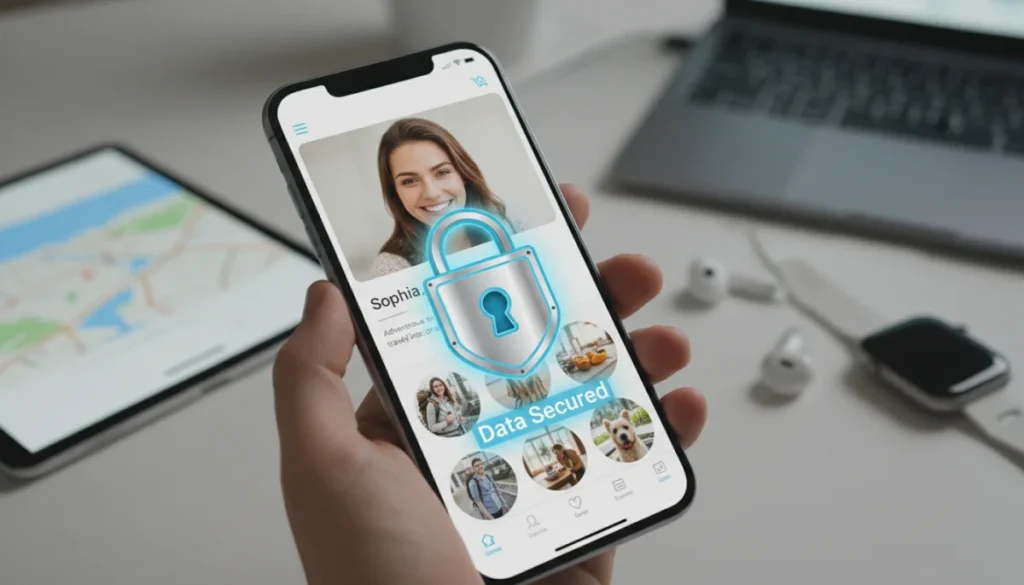
Protecting your data on dating apps: an action plan for users involves implementing robust privacy settings, exercising caution with shared information, and regularly reviewing app permissions to safeguard personal security in the digital dating landscape.
In today’s interconnected world, dating apps have become a ubiquitous part of how many individuals seek companionship and connection. However, with the convenience comes an inherent responsibility: protecting your data on dating apps: an action plan for users is not just advisable, it’s essential. Understanding the risks and implementing proactive measures can make all the difference in maintaining your privacy and safety.
Understanding the data landscape of dating apps
Dating apps, by their very nature, require users to share a significant amount of personal information. This can range from basic demographics and photos to more intimate details about interests, political views, and even location data. Comprehending what data is collected and how it’s used is the first critical step in safeguarding your digital footprint.
Many users are unaware of the extent to which their data is harvested, analyzed, and sometimes shared with third parties. This data can include your swiping patterns, messaging content, and even the time you spend on the app. The sheer volume and sensitivity of this information make it a prime target for malicious actors and can also be exploited for targeted advertising or other commercial purposes.
What kind of data do apps collect?
Dating apps typically collect a broad spectrum of user data to facilitate matching and enhance user experience. This collection can be both explicit, through information you directly provide, and implicit, through your usage patterns.
- Personal identifiers: Name, age, gender, date of birth, email address, phone number.
- Profile information: Photos, bio text, interests, hobbies, education, occupation, relationship preferences.
- Location data: GPS data, IP address, proximity to other users.
- Usage data: App activity, interaction with other profiles, messages sent and received, time spent on the app.
- Device information: Device ID, operating system, browser type.
The collection of this data is often justified by the apps as necessary for their core functionality. However, the exact scope and retention policies vary significantly between platforms. Users must actively seek out and understand these policies to make informed decisions about their data.
In conclusion, the data landscape of dating apps is vast and complex. Acknowledging the types of information collected and the potential implications is foundational to developing an effective strategy for data protection. Without this understanding, users are essentially navigating blind, leaving their personal information vulnerable.
Establishing a robust privacy foundation
Building a strong privacy foundation on dating apps begins even before you create your profile. It involves careful consideration of the app you choose, how you set up your account, and the initial privacy settings you configure. This proactive approach is vital for protecting your data on dating apps: an action plan for users that truly works.
Start by researching the privacy policies of different dating apps. Not all apps are created equal when it comes to data handling. Look for platforms with transparent policies and a strong commitment to user privacy. Reviews and independent security audits can also provide valuable insights into an app’s trustworthiness.
Selecting apps with strong privacy features
Prioritize apps that offer granular control over your data. This means being able to choose what information is visible to others, who can see your profile, and how your location data is utilized. Avoid apps that force you to share excessive personal details or have unclear privacy statements.
- Read privacy policies: Understand how your data is collected, stored, and shared.
- Check app permissions: Be mindful of what access the app requests on your device (e.g., camera, microphone, contacts, location).
- Opt for two-factor authentication (2FA): If available, enable 2FA to add an extra layer of security to your account.
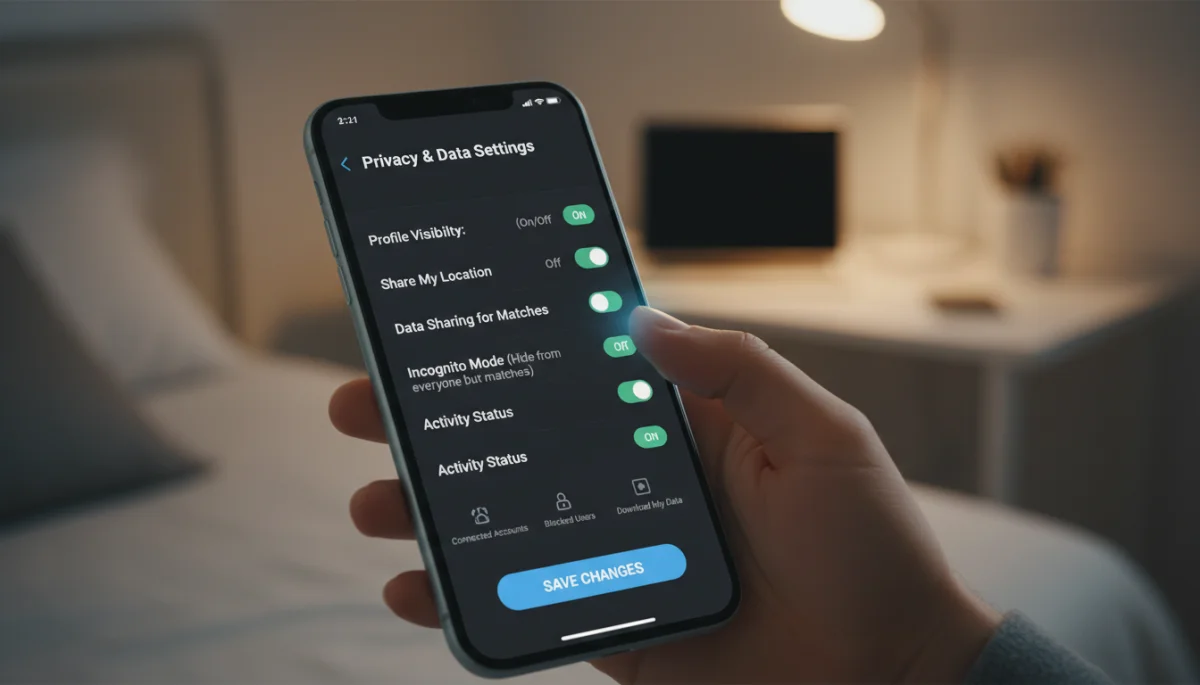
Once you’ve chosen an app, dedicate time to configuring its privacy settings. Many apps default to less restrictive settings, making it crucial to manually adjust them to your comfort level. This might include limiting who can see your profile, hiding your exact location, or controlling notification preferences.
In summary, a robust privacy foundation is the bedrock of secure online dating. By carefully selecting apps and configuring privacy settings from the outset, you significantly reduce your exposure to potential data risks and empower yourself in the digital dating sphere.
Smart profile creation and information sharing
Your dating app profile is your digital storefront, but it doesn’t need to reveal your entire life story. Smart profile creation and judicious information sharing are cornerstones of protecting your data on dating apps: an action plan for users. The goal is to present an appealing yet secure persona.
Think carefully about what you include in your bio and which photos you upload. Avoid information that could easily be used to identify you offline, such as your workplace, specific address, or even overly unique hobbies that could pinpoint your location or identity. A little mystery can be a good thing, both for intrigue and for security.
What to avoid sharing on your profile
While it’s tempting to share a lot to find a compatible match, some information is best kept private until you’ve established trust with someone.
- Full name: Use a first name or a pseudonym.
- Exact location: Disable precise location sharing or use a general area.
- Workplace/school: Avoid mentioning specific employers or educational institutions.
- Contact information: Never share your phone number, email, or social media handles directly on your profile.
- Sensitive personal details: Financial information, health status, or overly personal anecdotes that could be used for social engineering.
When choosing photos, be mindful of background details. Photos that reveal your home, specific landmarks you frequent, or even distinctive items in your possession can inadvertently provide clues about your identity and routines. Opt for photos that are flattering but also discreet.
Remember that anything you post on your profile is publicly accessible to anyone using the app. Even if an app claims to have strict privacy settings, screenshots can be taken and shared. Therefore, always assume that what you post could potentially be seen by a wider audience than intended.
Ultimately, smart profile creation is about striking a balance. Share enough to be engaging and authentic, but always prioritize your safety by holding back information that could put you at risk. This measured approach is key to a secure and enjoyable dating app experience.
Secure communication and interaction practices
Once you start interacting with matches, secure communication practices become paramount. The way you engage in conversations and the information you exchange can significantly impact your data security. This is a critical aspect of protecting your data on dating apps: an action plan for users that extends beyond the profile itself.
Always keep initial conversations within the app’s messaging system. This provides a layer of protection, as app platforms often have moderation tools and can track suspicious activity. Moving off the app too quickly to personal messaging platforms like WhatsApp or SMS removes this safety net.
Recognizing red flags and avoiding phishing attempts
Be vigilant for red flags that might indicate a scammer or someone with malicious intent. These can include overly eager declarations of affection, requests for money, or attempts to quickly move the conversation to another platform.
- Requests for money: This is a major red flag; never send money to someone you’ve only met online.
- Asking for personal details: Be wary of requests for your address, bank details, or other sensitive information.
- Overly elaborate stories: Scammers often create complex narratives to gain sympathy and trust.
- Pressuring you to move off-app: This can be an attempt to circumvent app security features.
- Poor grammar or inconsistent stories: While not always a red flag, it can sometimes indicate a non-native speaker or a copied script.
Phishing attempts are also common, where someone tries to trick you into revealing login credentials or other sensitive data by impersonating a legitimate service or person. Never click on suspicious links sent through dating apps, and always verify the identity of the person you’re speaking with if something feels off.
Remember, trust is earned, especially in online interactions. Take your time getting to know someone before sharing more personal details or moving to other communication channels. Your caution is your best defense against potential exploitation.
Managing app permissions and data retention
An often-overlooked aspect of data protection is the ongoing management of app permissions and understanding data retention policies. This continuous oversight is crucial for protecting your data on dating apps: an action plan for users beyond initial setup. Apps evolve, and so should your vigilance.
Regularly review the permissions you’ve granted to dating apps on your device. Access to your camera, microphone, contacts, and location should be granted only if absolutely necessary for the app’s functionality and your personal comfort. If a permission seems excessive, consider revoking it.
Regularly review and revoke unnecessary permissions
Operating systems on smartphones (iOS and Android) provide detailed controls over app permissions. Take advantage of these settings to limit what an app can access. For instance, you might allow location access only while using the app, rather than always.
- Location services: Set to ‘Only while using the app’ or ‘Never’ if not essential.
- Camera/Microphone: Restrict access unless you are actively using features that require them.
- Photos/Media: Control which photos the app can access, rather than granting full library access.
- Contacts: Rarely necessary for dating apps; consider denying access to protect your network.
Furthermore, understand the app’s data retention policy. What happens to your data if you delete your account? Some apps may retain certain information for a period, even after account deletion. If you’re serious about removing your data, you might need to specifically request data deletion in accordance with privacy regulations like GDPR or CCPA, if applicable.
Periodically revisit your app settings and privacy policies, especially after app updates, as new features might come with new data collection practices or permission requests. Staying informed and proactive in managing permissions is a key component of long-term data security on dating platforms.
Advanced strategies for enhanced data security
Beyond the fundamental steps, there are advanced strategies that can further enhance your data security when using dating apps. These measures provide an additional layer of protection, particularly for users who are highly concerned about their digital privacy. This forms the sophisticated end of protecting your data on dating apps: an action plan for users.
Consider using a virtual private network (VPN) when accessing dating apps, especially on public Wi-Fi networks. A VPN encrypts your internet connection, making it much harder for third parties to intercept your data. While not directly related to what the app itself collects, it secures the transmission of that data.
Using burner accounts and privacy-focused tools
For those who desire maximum anonymity, creating a ‘burner’ email address specifically for dating apps can be beneficial. This separates your dating app activity from your primary personal and professional communications. You can also use a temporary or secondary phone number through services like Google Voice to avoid giving out your real number prematurely.
- Burner email: Create a new email address solely for dating app registrations.
- Secondary phone number: Use a VoIP service or temporary number for initial communications.
- Privacy browsers: Access web-based dating sites through privacy-focused browsers that block trackers.
- Strong, unique passwords: Always use complex, unique passwords for each dating app account, preferably managed by a password manager.
Another advanced tip is to be mindful of metadata in photos. While most modern social media platforms strip metadata upon upload, older photos or those from certain devices might still contain information like GPS coordinates or device details. Use online tools to strip metadata before uploading photos to dating apps.
Finally, stay informed about data breaches that affect dating apps. Subscribe to security news outlets or services that alert you if your email address appears in a data breach. Being aware allows you to take immediate action, such as changing passwords, if your data is compromised.
Implementing these advanced strategies can significantly bolster your defenses against data exploitation and privacy invasion, offering peace of mind as you navigate the complexities of online dating.
| Key Action | Brief Description |
|---|---|
| Review Privacy Settings | Adjust app permissions and profile visibility to limit shared data. |
| Cautious Information Sharing | Avoid revealing sensitive personal details (e.g., full name, workplace) in your profile or early conversations. |
| Secure Communication | Keep initial conversations within the app and watch for red flags like requests for money or personal info. |
| Manage App Permissions | Regularly review and revoke unnecessary device permissions granted to dating apps. |
Frequently asked questions about dating app data protection
Dating apps commonly collect personal identifiers like name, age, and gender, along with profile information such as photos, bios, interests, and location data. They also track usage patterns, messages, and device information to facilitate matching and enhance user experience. Users should review each app’s specific privacy policy.
To prevent location tracking, go to your phone’s privacy settings and set location services for the dating app to ‘Only while using the app’ or ‘Never.’ Some apps also offer in-app settings to hide your exact location or only show a general area, which you should utilize.
Linking social media accounts can expose more personal data than intended, potentially allowing others to find your full profiles. It’s generally safer to avoid linking them or to create separate, highly private social media accounts specifically for dating apps if you wish to share any content.
Red flags include requests for money, attempts to move the conversation off-app quickly, overly romantic or elaborate stories, and asking for sensitive personal information. Be cautious of inconsistent details, pressure tactics, and suspicious links that could lead to phishing attempts.
If you suspect a data compromise, immediately change your password for that app and any other accounts using the same password. Enable two-factor authentication if available. Report the incident to the app’s support team and monitor your financial accounts and credit reports for suspicious activity.
Conclusion
Navigating the world of online dating requires a blend of optimism and vigilance. As we’ve explored, protecting your data on dating apps: an action plan for users is a multifaceted endeavor that demands continuous attention. From understanding the data apps collect to implementing advanced security measures, each step contributes to a safer and more secure experience. By being proactive, informed, and cautious, you can enjoy the benefits of connecting with others online while effectively safeguarding your personal information.
