Understanding Data Breaches: Risks on Dating Apps
Data breaches on popular dating applications expose sensitive personal information, leading to significant privacy risks, identity theft, and potential harassment for millions of users worldwide.
In an increasingly digital world, popular dating applications have become a common way for individuals to connect and find companionship. However, with the convenience and expansive reach these platforms offer, there’s an inherent vulnerability that often goes unnoticed until it’s too late: the risk of data breaches. Understanding Data Breaches: Risks on Popular Dating Applications is crucial for anyone navigating the online dating landscape, as these incidents can expose highly personal information and have far-reaching consequences for your privacy and security. Let’s explore the critical aspects of these risks and how to better protect yourself.
The growing landscape of online dating and its inherent data vulnerabilities
The digital revolution has transformed how we interact, and dating is no exception. Millions worldwide turn to applications like Tinder, Bumble, Hinge, and OkCupid to meet new people. While these platforms simplify the dating process, they also aggregate vast amounts of sensitive personal data, making them prime targets for cybercriminals. From your full name and age to your location, sexual preferences, and even private conversations, dating apps collect information that, if exposed, can be highly damaging.
The sheer volume and intimacy of the data stored by dating applications present unique challenges for cybersecurity. Unlike other online services, dating apps often store details that users might not share in any other public forum, creating a treasure trove for malicious actors. Understanding these vulnerabilities is the first step toward safeguarding your digital identity.
What kind of data do dating apps collect?
Dating apps gather a diverse array of personal information, often more than users realize. This includes not only basic demographic data but also highly sensitive details that paint a comprehensive picture of an individual’s life.
- Personal identifiers: Full name, date of birth, gender, and contact information.
- Location data: Real-time GPS data, often used for matching with nearby users.
- Biographical details: Education, occupation, interests, hobbies, and lifestyle choices.
- Intimate preferences: Sexual orientation, relationship goals, and ideal partner characteristics.
- Communication content: Private messages, photos, and videos exchanged within the app.
- Financial information: Payment details for premium subscriptions, though less common.
The aggregation of such sensitive data creates a significant risk profile. Each piece of information, when combined, can be used to construct a detailed profile of an individual, making them vulnerable to various forms of exploitation, from targeted phishing attacks to identity theft. This makes it imperative for users to be aware of what they share and how it is being protected.
In conclusion, the convenience of online dating comes with the significant caveat of increased data exposure. The extensive personal information collected by these applications, while intended to facilitate connections, simultaneously heightens the risk of severe privacy infringements if not adequately secured. Users must acknowledge this inherent vulnerability to make informed decisions about their online dating habits.
The anatomy of a dating app data breach: how it happens
A data breach on a dating application is not a singular event but often a culmination of various security failures, ranging from sophisticated cyberattacks to simple human error. Understanding the typical pathways through which these breaches occur can help users grasp the complexity of the threat landscape and appreciate the need for robust security measures.
These incidents can stem from external threats, such as hacking attempts by cybercriminals, or internal vulnerabilities, like misconfigured servers or negligent data handling practices by the application providers themselves. The impact can be devastating, affecting millions of users globally and eroding trust in the platforms designed to connect them.
Common methods of attack and vulnerability points
Cybercriminals employ a variety of tactics to exploit weaknesses in dating app security. These methods often target both the infrastructure of the application and the individual user.
- SQL injection: Attackers inject malicious code into data inputs to manipulate the app’s database, potentially extracting sensitive user information.
- Phishing and social engineering: Scammers trick users into revealing their login credentials or other personal details by impersonating legitimate entities.
- Weak authentication: Poor password policies or lack of multi-factor authentication can make accounts easy targets for brute-force attacks.
- API vulnerabilities: Flaws in the application programming interfaces (APIs) can allow unauthorized access to user data.
- Insider threats: Disgruntled employees or malicious insiders can intentionally leak or steal data.
Beyond direct attacks, misconfigurations in cloud storage, unpatched software vulnerabilities, and a lack of proper encryption for data at rest or in transit also contribute significantly to the likelihood of a breach. Each of these points represents a potential entry for unauthorized access, making a comprehensive security strategy essential for app providers.
Another often overlooked aspect is the supply chain of third-party services that dating apps rely on. These can include advertising networks, analytics providers, and customer support tools. If any of these third-party vendors experience a breach, the data shared with them by the dating app can also be compromised, extending the attack surface significantly. This interconnectedness means that even if a dating app has robust internal security, its data remains vulnerable through its partners.
In summary, a dating app data breach is rarely due to a single failure but rather a complex interplay of various vulnerabilities and attack vectors. From sophisticated cyberattacks to overlooked security flaws, understanding these mechanisms is crucial for both app providers to bolster their defenses and for users to be aware of the risks involved in entrusting their personal information to these platforms.
Real-world consequences: what happens after a data breach?
The aftermath of a data breach on a dating application can be severe and far-reaching, extending beyond mere inconvenience for affected users. The exposure of sensitive personal information can lead to a cascade of negative consequences, impacting individuals’ financial stability, emotional well-being, and overall security.
Unlike breaches involving less personal data, dating app data breaches often expose intimate details that can be used for highly targeted attacks, harassment, or even blackmail. The emotional toll of having private conversations or preferences exposed can be immense, leading to feelings of shame, anxiety, and a loss of trust.
Financial and personal repercussions
The immediate and long-term effects of a data breach can manifest in various ways, directly affecting the lives of those whose data has been compromised.
- Identity theft: Malicious actors can use stolen personal details to open fraudulent accounts, apply for loans, or access existing financial accounts.
- Financial fraud: Exposed payment information, though less common, can lead to unauthorized transactions and direct financial losses.
- Targeted phishing and scams: With detailed personal information, attackers can craft highly convincing phishing emails or messages to extract more data or money.
- Reputational damage: Exposure of private conversations or sensitive preferences can lead to social embarrassment or damage to one’s professional image.
- Online harassment and stalking: Location data and personal identifiers can be used by malicious individuals to stalk or harass victims offline.
- Blackmail and extortion: Highly sensitive information, such as sexual preferences or private photos, can be used to extort money from victims.
The emotional and psychological impact should not be underestimated. Victims often report significant stress, anxiety, and a sense of violation. The feeling of vulnerability and loss of control over one’s personal narrative can be particularly distressing, especially when the exposed data is highly intimate. This underscores the need for robust support systems and clear reporting mechanisms for affected users.
In conclusion, the real-world consequences of dating app data breaches are far more severe than simply a data leak. They can lead to tangible financial losses, profound emotional distress, and significant personal security risks. Recognizing these potential outcomes is essential for users to take proactive steps to protect themselves and for platforms to prioritize user data security.
Safeguarding your privacy: best practices for dating app users
Given the inherent risks associated with popular dating applications, it is paramount for users to adopt proactive measures to protect their personal information. While app providers bear the primary responsibility for security, individual users also play a crucial role in minimizing their exposure to potential threats. By implementing a few key best practices, you can significantly enhance your online dating safety.
These practices range from cautious profile creation to vigilant monitoring of your online presence. The goal is to limit the amount of sensitive data available to potential attackers and to quickly identify and respond to any suspicious activity. Empowering yourself with knowledge and action is the best defense in the digital dating landscape.
Practical steps to enhance your dating app security
Taking control of your data privacy on dating apps involves a combination of smart choices and consistent vigilance.
- Limit shared information: Only provide essential information on your profile. Avoid linking directly to social media accounts that contain extensive personal details.
- Use strong, unique passwords: Create complex passwords for each dating app and consider using a password manager. Enable two-factor authentication (2FA) whenever available.
- Review privacy settings: Regularly check and adjust the privacy settings within each app to control who sees your information and what data is shared.
- Be cautious with location services: Consider disabling precise location sharing or setting it to only activate when the app is in use.
- Think before you share: Be mindful of what you say and share in private messages, as even these can be compromised in a breach. Avoid sharing financial details or sensitive personal documents.
- Monitor your accounts: Regularly check your email and other accounts for suspicious activity, especially after news of a data breach.
Beyond these individual actions, it is also beneficial to be aware of the app’s privacy policy. Understanding how an application collects, stores, and uses your data can help you make more informed decisions about whether to use it and how much information to entrust to it. Transparency from the app provider is key, but user vigilance remains the final line of defense.
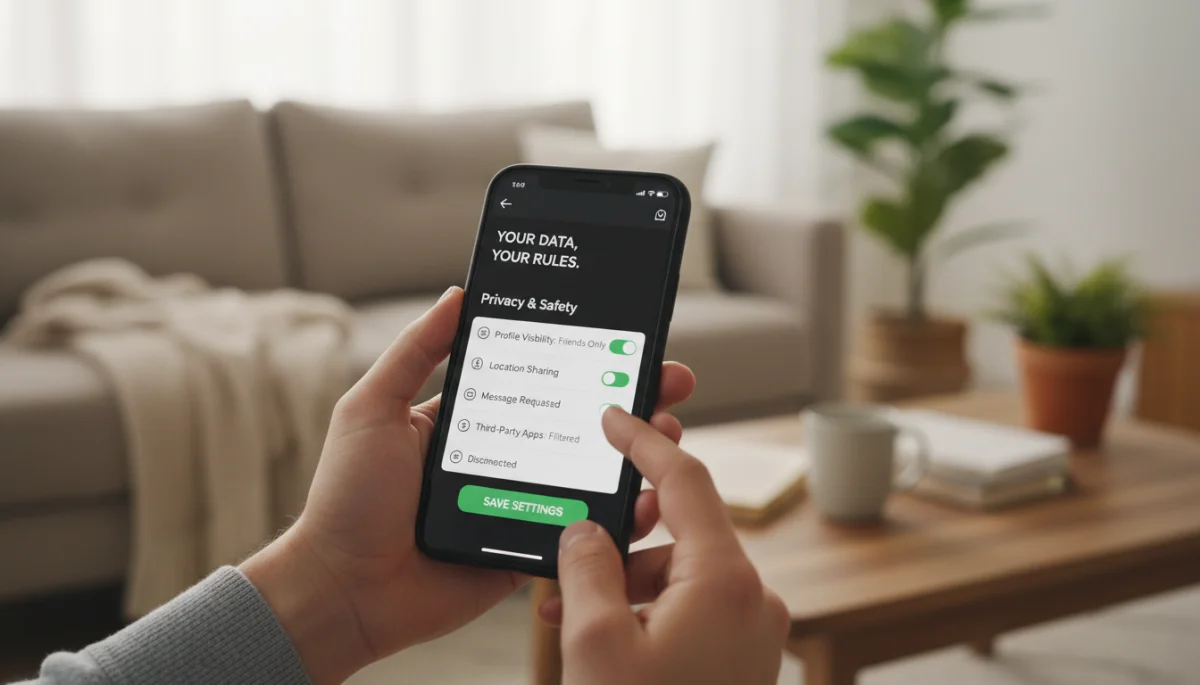
In conclusion, while dating apps offer exciting opportunities for connection, users must prioritize their privacy and security. By adopting a proactive approach to managing personal information, utilizing strong security features, and remaining vigilant, individuals can significantly reduce their vulnerability to data breaches and enjoy a safer online dating experience.
The role of dating app providers: accountability and future of security
While individual users have a role to play in protecting their data, the primary responsibility for safeguarding sensitive information lies with the dating app providers themselves. These companies collect and store vast quantities of highly personal data, making robust cybersecurity measures not just a best practice but a fundamental obligation. The future of online dating security hinges on their commitment to accountability and continuous improvement.
In recent years, regulatory bodies and public awareness have pushed for greater transparency and stricter security protocols from technology companies. Dating app providers are increasingly under scrutiny to demonstrate their commitment to user privacy and to implement state-of-the-art security infrastructures that can withstand evolving cyber threats. Their actions, or inactions, directly impact the trust and safety of millions of users worldwide.
Advancements in security and regulatory compliance
The landscape of cybersecurity is constantly evolving, and dating app providers must adapt quickly to stay ahead of malicious actors. This involves investing in advanced security technologies and adhering to stringent regulatory frameworks.
- Enhanced encryption: Implementing end-to-end encryption for communications and robust encryption for data at rest and in transit to protect information from unauthorized access.
- Regular security audits and penetration testing: Conducting frequent assessments to identify and rectify vulnerabilities before they can be exploited by attackers.
- Bug bounty programs: Incentivizing ethical hackers to find and report security flaws, fostering a collaborative approach to security.
- Compliance with data protection laws: Adhering to regulations like GDPR and CCPA, which mandate strict data handling practices and user rights regarding their personal information.
- Incident response plans: Developing clear and efficient protocols for detecting, responding to, and recovering from data breaches, including timely notification to affected users.
Beyond technical measures, cultivating a strong security culture within the organization is equally important. This includes ongoing employee training on data privacy best practices, strict access controls to sensitive data, and a commitment from leadership to prioritize security over expediency. A holistic approach that integrates technology, policy, and human factors is essential for creating a truly secure environment.
Furthermore, transparency about data collection practices and security incidents builds trust with users. Clearly communicating what data is collected, why it’s collected, and how it’s protected empowers users to make informed decisions. When a breach does occur, prompt and honest disclosure, along with clear guidance for affected individuals, can mitigate the damage and maintain user confidence.
In conclusion, dating app providers bear significant responsibility for the security of their users’ highly sensitive data. By prioritizing advanced security measures, adhering to regulatory compliance, and fostering a culture of transparency and accountability, these platforms can build greater trust and ensure a safer environment for online daters. The future of online dating depends on their unwavering commitment to protecting user privacy.
Legal and ethical dimensions of data breaches in dating apps
The legal and ethical implications surrounding data breaches in dating applications are complex and multifaceted, extending beyond mere technical failures. These incidents raise fundamental questions about user rights, corporate responsibility, and the ethical use of highly personal information. As data breaches become more frequent, the legal landscape is evolving, placing greater obligations on companies to protect user data and hold them accountable when failures occur.
From an ethical standpoint, dating apps operate on a foundation of trust, where users entrust them with intimate details of their lives. A breach of this trust, particularly one that exposes sensitive information, can have profound psychological and social consequences, highlighting the moral imperative for robust data protection. Understanding these dimensions is crucial for both users seeking recourse and companies striving for responsible data stewardship.
User rights, corporate responsibility, and regulatory frameworks
The legal framework governing data privacy is becoming increasingly stringent, empowering users with more rights and imposing greater responsibilities on data handlers.
- Right to be informed: Users have the right to know what data is collected, how it’s used, and if a breach occurs.
- Right to access and rectification: Individuals can request access to their data and demand corrections if it’s inaccurate.
- Right to erasure (right to be forgotten): Users can request their data be deleted under certain circumstances.
- Data portability: The right to receive personal data in a structured, commonly used, and machine-readable format.
- Corporate accountability: Laws like GDPR and CCPA impose significant fines for non-compliance and data breaches, compelling companies to invest in strong security.
- Ethical data handling: Beyond legal requirements, companies have an ethical obligation to minimize data collection, use data responsibly, and prioritize user well-being over profit.
The ethical considerations also extend to how companies respond to breaches. Transparency, prompt notification, and offering support to affected users are not just legal requirements but ethical imperatives. A failure to handle a breach ethically can severely damage a company’s reputation and erode public trust, often more so than the breach itself. This highlights the importance of having a comprehensive and user-centric incident response plan.
Moreover, the unique sensitivity of dating app data, which often includes details about sexual orientation, preferences, and personal relationships, amplifies the ethical stakes. The potential for discrimination, harassment, or social stigma resulting from such disclosures places a higher moral burden on app providers to ensure maximal protection. This means going beyond minimum legal compliance and striving for exemplary data stewardship.
In conclusion, data breaches in dating apps are not just technical failures; they are deeply intertwined with legal and ethical principles. The evolving regulatory landscape, coupled with a growing awareness of user rights, demands that dating app providers operate with the highest levels of corporate responsibility and ethical data handling. This ensures that the trust users place in these platforms is honored and protected.
Navigating the future: evolving threats and user empowerment
The digital dating landscape is constantly evolving, bringing with it new opportunities for connection but also new and sophisticated threats to user data. As technology advances, so do the methods employed by cybercriminals, making continuous vigilance and adaptation essential for both dating app providers and users. Navigating this future successfully requires a proactive approach to security and a commitment to user empowerment.
The focus must shift from merely reacting to breaches to anticipating and preventing them. This involves not only technological advancements but also fostering a more informed and security-conscious user base. The collective effort of developers and users will be crucial in building a safer and more trustworthy online dating environment for everyone.
Emerging threats and continuous adaptation
The cybersecurity landscape is dynamic, with new threats constantly emerging. Dating apps must prepare for these challenges.
- AI-powered attacks: Malicious AI can create highly realistic fake profiles (catfishing) or generate convincing phishing attempts at scale.
- IoT vulnerabilities: As more devices connect, potential entry points for data breaches could expand beyond traditional computing devices.
- Deepfakes and identity manipulation: Advanced AI can be used to create realistic fake videos or audio, potentially for extortion or reputational damage.
- Supply chain attacks: Exploiting vulnerabilities in third-party software or services that dating apps rely on, impacting a broad range of users.
- Quantum computing threats: While still nascent, quantum computing could eventually break current encryption standards, necessitating future cryptographic updates.
For users, continuous education and awareness are paramount. Staying informed about the latest cyber threats, recognizing phishing attempts, and understanding the implications of new technologies are vital for personal security. Regularly updating app software, using reputable antivirus programs, and being wary of unsolicited links or requests are basic yet effective lines of defense.
Moreover, advocating for stronger data protection policies and transparency from dating app providers can drive positive change across the industry. Users have the power to demand better security practices through their choices and collective voice. This consumer pressure can be a significant catalyst for companies to prioritize user safety and privacy. Engaging with privacy advocates and supporting organizations that champion digital rights can also contribute to a more secure online environment.
In conclusion, the future of online dating security requires a dynamic and collaborative approach. By understanding evolving threats, implementing advanced security measures, and empowering users through education and advocacy, we can collectively work towards a safer and more secure digital dating experience. The journey is ongoing, but with continuous effort, the risks associated with data breaches can be significantly mitigated.
| Key Aspect | Brief Description |
|---|---|
| Data Collected | Dating apps gather extensive personal and intimate details, making them high-value targets for breaches. |
| Breach Causes | Often result from cyberattacks, weak security, or human error, sometimes involving third-party vulnerabilities. |
| User Impact | Consequences include identity theft, financial fraud, harassment, and significant emotional distress. |
| User Protection | Limit data sharing, use strong passwords, review privacy settings, and stay informed on security best practices. |
Frequently asked questions about dating app data breaches
Highly sensitive data like location, sexual orientation, private messages, and biographical details are most vulnerable. This information can be exploited for identity theft, targeted scams, or personal harassment, making these breaches particularly damaging for users.
Dating apps are legally obligated to notify users if their data is compromised. You can also check reputable breach notification services like ‘Have I Been Pwned’ by entering your email. Look out for suspicious emails or unusual activity on your accounts.
Immediately change your dating app password to a strong, unique one, and do the same for any other accounts using similar credentials. Enable two-factor authentication, monitor your financial statements, and be wary of phishing attempts.
Yes, dating app providers have a legal obligation to protect user data under various privacy regulations like GDPR and CCPA. Failure to implement adequate security measures can result in significant fines and legal action, holding them accountable for negligence.
Only provide essential information for your profile. Avoid linking to social media accounts, disable precise location services when not needed, and be cautious about sharing highly personal details in chats. Regularly review and adjust your app’s privacy settings.
Conclusion
Understanding Data Breaches: Risks on Popular Dating Applications is no longer just a technical concern but a critical aspect of personal safety in the digital age. As dating apps continue to connect millions, the responsibility to protect sensitive personal information falls on both the platforms and their users. By implementing robust security measures, adhering to ethical data practices, and empowering users with knowledge and tools for self-protection, we can collectively work towards a safer and more trustworthy online dating environment. Vigilance, informed choices, and continuous adaptation are key to navigating the evolving landscape of online dating securely.
