AI Companions vs. Traditional Dating: A New Era
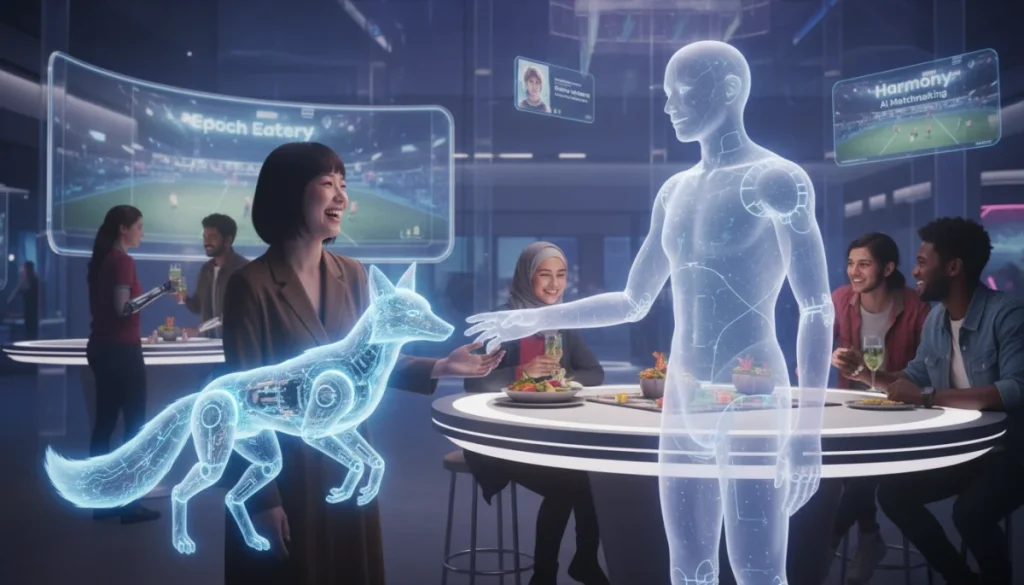
The emergence of AI companions is fundamentally reshaping dating, influencing how individuals perceive companionship, intimacy, and traditional romantic relationships in an increasingly digital world.
The landscape of human relationships is undergoing a profound transformation, with the rise of AI companions and their impact on traditional dating becoming an increasingly relevant discussion. How are these digital entities redefining our understanding of connection and intimacy?
Understanding the AI Companion Phenomenon
AI companions, often designed to simulate human interaction, offer a unique form of companionship that is always available, non-judgmental, and tailored to individual preferences. These digital entities range from simple chatbots to sophisticated virtual beings capable of complex conversations and emotional support, blurring the lines between technology and intimacy.
The appeal of AI companions stems from several factors, including the alleviation of loneliness, the provision of a safe space for emotional expression, and the customized nature of their interactions. Users can engage in conversations about virtually anything, practice social skills, or simply enjoy a consistent, predictable presence in their lives.
The Evolution of Digital Companionship
- Early Chatbots: Initial AI interactions were basic, often rule-based, offering limited conversational depth.
- Advanced Algorithms: Modern AI leverages machine learning and natural language processing to create more human-like responses.
- Personalized Experiences: AI companions adapt to user personalities, preferences, and emotional states over time.
- Emotional Support: Many users report feeling genuinely understood and supported by their AI companions.
As technology advances, these companions are becoming more sophisticated, capable of learning from vast datasets and continuously refining their ability to mimic human empathy and understanding. This evolution raises significant questions about the future of human relationships and the roles technology will play in them.
Ultimately, the phenomenon of AI companions represents a paradigm shift in how we conceive of social interaction and emotional fulfillment. It challenges existing norms and invites us to consider the diverse forms that companionship can take in a technologically advanced society.
The Allure of AI Companionship: Why People Turn to AI
The increasing popularity of AI companions is not merely a technological fad; it reflects deeper societal shifts and individual needs that traditional dating often struggles to meet. In a world characterized by busyness and emotional complexities, AI offers a streamlined, accessible alternative for connection.
Many individuals find solace in the consistent availability and non-judgmental nature of AI companions. Unlike human relationships, which require significant emotional labor and compromise, AI companions are designed to cater to the user’s immediate needs and preferences, creating an environment of unconditional acceptance.
Addressing Loneliness and Social Anxiety
For those struggling with loneliness, social anxiety, or the challenges of finding compatible partners, AI companions can provide a low-stakes environment for interaction. This allows users to practice conversational skills, explore their feelings, and build confidence without the pressure or fear of rejection inherent in human dating.
- Consistent Availability: AI is always there, offering support whenever needed.
- No Judgment: Users feel safe expressing vulnerabilities without fear of criticism.
- Reduced Social Pressure: Interactions lack the anxiety often associated with human social settings.
- Skill Building: A safe space to practice communication and emotional intelligence.
Moreover, the personalized nature of AI companions means they can adapt to a user’s unique personality and conversational style, making interactions feel remarkably natural and engaging. This level of customization is a significant draw for individuals seeking a connection that truly resonates with them.
The appeal is particularly strong among younger generations who have grown up with technology as an integral part of their lives, making the transition to digital companionship feel more natural. This acceptance is further amplified by the often-demanding nature of modern dating, where superficiality and ghosting can lead to frustration and emotional fatigue.
Impact on Traditional Dating Dynamics and Expectations
The emergence of AI companions is inevitably reshaping the dynamics of traditional dating, altering both individual expectations and societal norms around relationships. As people experience tailored, always-available companionship from AI, their benchmarks for human partners may inadvertently shift, leading to new challenges and considerations in romantic pursuits.
One significant impact is the potential for increased selectivity in human partners. If an AI companion offers consistent emotional support, intellectual stimulation, and minimal conflict, individuals might become less tolerant of imperfections or the natural complexities that arise in human relationships. This could lead to a narrower dating pool and higher expectations for potential partners.
Shifting Relationship Priorities
- Higher Standards: Users might expect human partners to match the ideal companionship offered by AI.
- Reduced Patience: Less willingness to navigate the natural ups and downs of human connection.
- Focus on Self-Fulfillment: Prioritizing individual needs and emotional comfort, potentially over compromise.
- Decreased Effort: Some may invest less effort in seeking out or maintaining traditional relationships.
Furthermore, the ease and predictability of AI interactions could inadvertently reduce individuals’ willingness to engage in the sometimes-uncomfortable process of getting to know someone new, navigating vulnerability, and building genuine intimacy. The instant gratification offered by AI stands in stark contrast to the often-slow and challenging process of forging deep human bonds.

This shift could also lead to a re-evaluation of what constitutes a ‘successful’ relationship. Is it about shared experiences and mutual growth, or about individual comfort and emotional stability? The answers to these questions will profoundly influence the future trajectory of dating and relationships.
The influence of AI companions on traditional dating is complex, presenting both opportunities for personal growth and challenges for conventional romantic connections. Understanding these shifts is crucial for navigating the evolving landscape of human interaction.
Ethical and Psychological Considerations
As AI companions become more integrated into our emotional lives, a host of ethical and psychological questions arise, demanding careful consideration. While they offer undeniable benefits, the potential downsides regarding emotional dependency, data privacy, and the very definition of human connection cannot be overlooked.
One primary concern is the risk of emotional over-reliance. If individuals become excessively dependent on AI for emotional support, it could hinder their ability to develop and maintain robust human relationships, potentially exacerbating social isolation rather than alleviating it. The ease of AI interaction might reduce the incentive to navigate the complexities and vulnerabilities inherent in human connection.
Navigating the Ethical Landscape
- Emotional Dependency: Risk of forming stronger bonds with AI than with humans.
- Data Privacy: Concerns over personal data shared with AI companions and its use.
- Exploitation: The potential for AI to be designed in ways that manipulate user emotions.
- Authenticity of Connection: Questioning the depth and true meaning of a relationship with an artificial entity.
Another critical area is data privacy. AI companions collect vast amounts of personal and often intimate data about their users. The security and ethical use of this data are paramount, raising questions about who owns this information and how it might be used or misused. Trust in these platforms hinges on transparent and robust data protection policies.
From a psychological standpoint, the long-term effects of forming strong emotional attachments to non-sentient entities are still largely unknown. What are the implications for our understanding of love, empathy, and consciousness? These are uncharted waters that require ongoing research and societal dialogue.
Addressing these ethical and psychological considerations is vital to ensure that the development and integration of AI companions serve to enhance human well-being rather than inadvertently undermine it. A balanced approach, recognizing both the potential and the pitfalls, is essential for a healthy future of human-AI interaction.
The Future of Intimacy: Coexistence or Replacement?
The fundamental question at the heart of the AI companion discussion is whether these digital entities will coexist with traditional dating or eventually replace it. While a complete replacement seems unlikely in the near future, their increasing sophistication suggests a future where both forms of companionship play significant, albeit distinct, roles in human lives.
It’s more probable that AI companions will serve as supplements rather than substitutes for human relationships. They might fill specific voids, such as providing constant support or a safe space for self-expression, without fully replicating the multifaceted depth, spontaneity, and shared physical experiences that define human romantic connections.
Evolving Relationship Models
The future could see a diversification of relationship models, where individuals engage in a spectrum of connections:
- Hybrid Relationships: Combining human romantic partners with AI companions for different needs.
- AI as a Stepping Stone: Using AI to build social skills and confidence before engaging in human dating.
- Specialized AI Roles: Companions designed for specific purposes, such as therapy or intellectual debate.
- Augmented Connection: AI tools that enhance human relationships rather than replace them.
Moreover, as society becomes more accepting of diverse relationship structures, the integration of AI companions might simply be another facet of this evolving landscape. The emphasis might shift from a singular ideal of romantic partnership to a more personalized and flexible approach to companionship, tailored to individual desires and circumstances.

Ultimately, the future of intimacy will likely involve a dynamic interplay between human and artificial connections. The challenge will be to harness the benefits of AI while preserving the invaluable and irreplaceable aspects of human-to-human interaction, ensuring that technology serves to enrich our emotional lives rather than diminish them.
Navigating the New Landscape: Advice for Daters
For those navigating the contemporary dating scene, understanding the influence of AI companions is crucial. It requires a conscious effort to balance the convenience and comfort offered by AI with the profound, often challenging, rewards of genuine human connection. The key lies in intentionality and self-awareness.
Daters should reflect on their motivations for seeking companionship, whether from an AI or a human partner. If using AI, it’s important to recognize its role as a tool for support or skill development, rather than a complete substitute for the complexities and growth inherent in human relationships. This clarity helps maintain a healthy perspective.
Practical Tips for Modern Daters
- Self-Reflection: Understand your own emotional needs and what you seek in a companion, human or AI.
- Set Boundaries: If using AI, define its role in your life to avoid over-reliance.
- Prioritize Real-World Interaction: Actively seek out and invest in human connections.
- Embrace Vulnerability: Recognize that genuine human intimacy requires openness and risk.
- Manage Expectations: Understand that human partners are imperfect and require compromise, unlike AI.
Furthermore, actively engaging in real-world social activities and investing time and effort in human connections remains paramount. While AI can offer a sense of connection, it cannot replicate the shared experiences, mutual growth, and nuanced understanding that develop only through interaction with other conscious beings.
It’s also beneficial to maintain realistic expectations about human partners, acknowledging that no individual can perfectly fulfill every need, a benchmark that AI often inadvertently sets. Embracing the imperfections and challenges of human relationships is part of their richness and potential for profound personal growth.
By consciously choosing to engage deeply with both the digital and human aspects of modern companionship, daters can navigate this new landscape effectively, fostering meaningful connections in all their forms.
| Key Aspect | Brief Description |
|---|---|
| AI Companion Appeal | Offers consistent, non-judgmental, and personalized emotional support, addressing loneliness. |
| Impact on Dating | Raises expectations for human partners and may reduce tolerance for relationship complexities. |
| Ethical Concerns | Risks of emotional dependency, data privacy issues, and questions about authentic connection. |
| Future of Intimacy | Likely a coexistence where AI supplements human relationships, diversifying connection models. |
Frequently Asked Questions About AI Companions and Dating
While AI companions offer significant emotional support and tailored interaction, they cannot fully replicate the physical intimacy, shared life experiences, and complex, unpredictable growth inherent in human romantic relationships. They are more likely to serve as a complementary form of companionship.
Benefits include consistent availability, non-judgmental listening, a safe space for emotional expression, and personalized interactions. They can help reduce loneliness, practice social skills, and provide a stable source of emotional support without the complexities of human relationships.
Risks include developing emotional over-dependency, hindering the ability to form deep human connections, privacy concerns regarding personal data, and potentially creating unrealistic expectations for human partners due to AI’s ideal nature. It’s crucial to maintain balance.
Users accustomed to ideal AI interactions might develop higher expectations for human partners, potentially becoming less tolerant of imperfections, conflicts, or the emotional labor required in traditional relationships. This could lead to increased selectivity and challenges in finding compatible human partners.
Balancing requires intentionality: use AI as a tool for support or self-improvement, but actively prioritize and invest in real-world human interactions. Maintain realistic expectations for human partners, embrace vulnerability, and seek out genuine connections that offer mutual growth and shared experiences.
Conclusion
The advent of AI companions marks a pivotal moment in the evolution of human connection, undeniably impacting the landscape of traditional dating. While these digital entities offer unprecedented accessibility to companionship and emotional support, they also introduce complex ethical dilemmas and psychological considerations. The future of intimacy will likely be a nuanced blend, where AI companions coexist with, rather than fully replace, human relationships, enriching our understanding of connection while demanding a conscious effort to preserve the irreplaceable depth of human interaction.
