Messaging Etiquette: Online Dating Communication Updates

The latest in messaging etiquette for online dating emphasizes clear, respectful, and timely communication, adapting to evolving digital platforms to foster genuine connections and avoid common pitfalls.
Navigating the digital landscape of romance requires more than just a captivating profile; it demands a nuanced understanding of online dating etiquette. As dating apps continue to evolve, so too do the unspoken rules of engagement. Staying current with these updates is crucial for anyone hoping to build meaningful connections and avoid missteps in the fast-paced world of virtual courtship.
The evolving landscape of initial contact
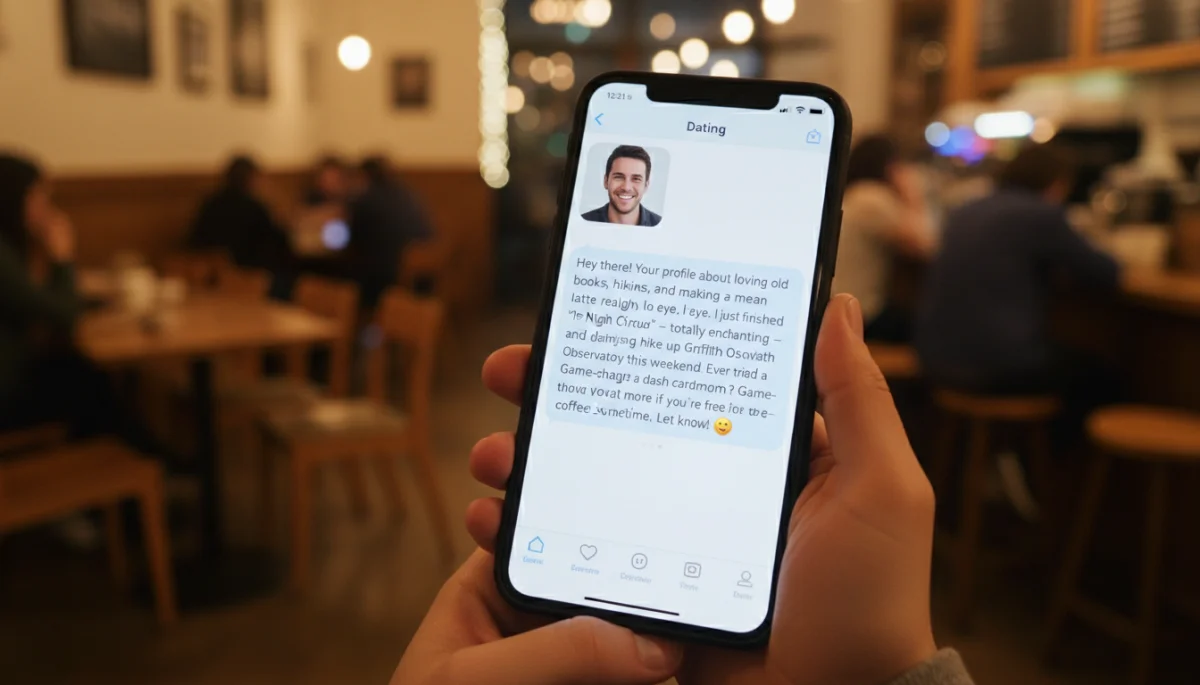
The first message often sets the tone for an entire conversation, making it a critical component of online dating. Gone are the days when a simple ‘hey’ sufficed. Today, users expect more thought and effort, reflecting genuine interest and personality. Crafting an impactful opening message is an art that combines personalization with an engaging hook.
Personalization as the new standard
Generic opening lines are quickly overlooked. Modern messaging etiquette emphasizes tailoring your initial contact to the individual’s profile. This demonstrates that you’ve actually read their information and are genuinely interested in learning more about them, rather than sending a mass-produced message.
- Mention a specific detail from their photos or bio.
- Ask an open-ended question related to their interests.
- Reference a shared hobby or passion that caught your eye.
Avoid overly familiar language or assumptions. While confidence is attractive, arrogance or presumption can be an immediate turn-off. The goal is to start a conversation, not to make a declaration.
The speed at which you respond also plays a role. While immediate replies might seem eager, excessively delayed responses can signal disinterest. Finding a balance is key; aim for responsiveness that shows you are engaged without appearing desperate or overly available. This initial exchange is a delicate dance, requiring both sincerity and strategic timing.
In conclusion, the initial contact phase of online dating has shifted towards more personalized and thoughtful approaches. By investing time in crafting unique messages and maintaining a balanced response time, you significantly increase your chances of making a positive first impression and fostering a connection that stands out from the digital noise.
Mastering the art of sustained conversation
Once past the initial greeting, the challenge shifts to maintaining an engaging and dynamic conversation. This involves more than just asking questions; it requires active listening (or reading, in this case), empathy, and a genuine desire to connect. Sustained conversation builds rapport and provides a foundation for a potential real-life meeting.
Balancing questions and statements
A common pitfall in online dating conversations is an imbalance between asking questions and sharing information about oneself. While questions are essential to learn about your match, a constant barrage of inquiries can feel like an interrogation. Conversely, only talking about yourself can come across as self-absorbed. The sweet spot lies in a natural back-and-forth, where both parties contribute equally.
Share anecdotes, express opinions, and reveal aspects of your personality. This reciprocity helps the conversation flow naturally and allows both individuals to feel seen and heard. Remember, the goal is to create a dialogue, not a monologue or an interview.

Reading between the digital lines
Unlike face-to-face interactions, online communication lacks non-verbal cues. This makes it crucial to pay close attention to the words, tone (implied), and even the frequency of messages. If responses become consistently short or delayed, it might indicate a waning interest. Respecting these subtle signals is a cornerstone of good online dating etiquette.
- Notice response length and detail.
- Observe the use of emojis or GIFs – they often convey emotion.
- Identify if the other person is asking questions back.
Avoid making assumptions or jumping to conclusions. If you’re unsure, it’s often better to clarify or mirror their communication style. If they are brief, you can be brief. If they are detailed, offer similar depth. This adaptability shows respect and understanding.
Ultimately, mastering sustained conversation is about creating a comfortable and engaging environment where both individuals feel valued. By balancing self-disclosure with genuine curiosity and being attuned to digital cues, you pave the way for deeper connections and more meaningful interactions.
The do’s and don’ts of emoji and GIF usage
Emojis and GIFs have become integral to digital communication, adding layers of emotion and personality that plain text often lacks. However, their use in online dating requires a delicate touch. While they can enhance communication, overuse or inappropriate selection can quickly derail a promising conversation.
Enhancing expression, not replacing words
Emojis and GIFs are best used as supplements to your written messages, not substitutes for actual words. They can convey humor, warmth, or a quick reaction, making conversations feel more lively and personal. A well-placed emoji can soften a potentially blunt statement or emphasize a joke, adding nuance to your online persona.
Consider the context and your match’s communication style. If they frequently use emojis, mirroring their approach can build rapport. If they prefer more formal language, a conservative use of emojis is advisable. The goal is to match their energy and integrate these visual elements seamlessly into the flow of conversation.
- Use emojis to add warmth or humor.
- Select GIFs that are relevant and not overly aggressive.
- Avoid using too many emojis in a single message.
One common mistake is relying on emojis or GIFs to carry the entire message, especially in early interactions. This can come across as lazy or indicate a lack of effort in engaging thoughtfully. Always ensure your message has substance, with emojis and GIFs serving as enhancements.
Avoiding misinterpretation and over-reliance
The subjective nature of emojis means they can sometimes be misinterpreted. What one person finds funny, another might find offensive or confusing. It’s crucial to stick to universally understood emojis, especially in the initial stages of communication.
Over-reliance on GIFs can also be problematic. While a clever GIF can be a great icebreaker, a constant stream of them can make it seem like you’re not invested in genuine conversation. It can also create a perception that you’re hiding behind visuals rather than expressing yourself authentically.
In essence, emojis and GIFs are powerful tools for enriching online dating conversations, but they must be used judiciously. They should complement your communication, adding personality and emotion, without overshadowing the substance of your words or leading to misinterpretations. Thoughtful integration is the key to leveraging their benefits effectively.
Setting boundaries and respecting privacy
In the digital dating world, the lines between enthusiasm and overstepping can blur. Establishing and respecting boundaries is paramount for a positive and safe experience. This includes understanding appropriate timing for information exchange, respecting personal space, and recognizing when communication should pause or end.
When to share personal information
One of the most critical aspects of online dating etiquette is knowing when and what personal information to share. While building trust requires some level of disclosure, it’s essential to prioritize safety. Avoid sharing sensitive details like your home address, workplace, or full name too early in the conversation. Gradually reveal information as trust develops and you move towards meeting in person.
Pay attention to your match’s comfort level as well. If they seem hesitant to share certain details, respect that without pushing. Privacy is a two-way street, and mutual respect for personal boundaries fosters a safer and more comfortable environment for both parties.
- Never share financial details.
- Avoid giving out your full address before a first meeting.
- Use the app’s messaging system until you feel comfortable sharing other contact methods.
Respecting response times is also part of boundary setting. Not everyone can or wants to respond immediately. Constant double-texting or expressing frustration over delayed replies can be intrusive and off-putting. Allow for natural pauses in conversation and trust that if someone is interested, they will respond when they are able.
Recognizing and respecting ‘no’
Perhaps the most crucial aspect of boundary setting is recognizing and respecting a ‘no’ – whether it’s explicit or implied. If someone states they are not interested, or if their communication clearly indicates a desire to disengage, gracefully accept it. Continued messaging after such signals is not only poor etiquette but can also be perceived as harassment.
Similarly, if you’re not interested, communicate that clearly and kindly. Ghosting, while common, is generally considered poor form. A polite, brief message indicating that you don’t see a match is often appreciated and allows both parties to move on respectfully. Establishing and respecting boundaries creates a foundation of trust and safety, making the online dating experience more enjoyable for both parties.
Transitioning from app to in-person: the timing
The ultimate goal for many online daters is to transition from digital conversations to real-life interactions. However, knowing when to suggest a meeting, and how to do so respectfully, is a key piece of modern online dating etiquette. Too early, and it can feel rushed; too late, and the connection might fizzle out.
Finding the right moment to suggest a date
There’s no universal rule for the perfect timing, but a good indicator is when you’ve established a comfortable rapport and feel a genuine connection through messaging. This typically involves several days to a week of consistent, engaging conversation. You should have a basic understanding of their personality, interests, and what they’re looking for.
Suggesting a date too soon can make you seem overly eager or even insincere, as if you’re just trying to rush through the process. Conversely, waiting too long can lead to a ‘pen pal’ situation where the conversation never progresses beyond the digital realm. Look for signs of mutual interest and enthusiasm before making the leap.

How to propose a meeting respectfully
When you do suggest a meeting, do so clearly and with a specific idea in mind. A vague ‘want to hang out sometime?’ can be less effective than ‘would you be interested in grabbing coffee at [specific cafe] on [day]?’ Specificity shows thoughtfulness and makes it easier for the other person to say yes or suggest an alternative.
- Propose a low-pressure activity like coffee or a casual drink.
- Suggest a public place for the first meeting.
- Be flexible with time and location, showing consideration for their schedule.
It’s also important to manage expectations. The first meeting is simply an opportunity to see if the in-person chemistry matches the digital connection. Avoid putting too much pressure on it to be perfect. If they decline or suggest waiting, respect their decision without pushing. The transition from app to in-person is a crucial step that, when handled with consideration and clear communication, can lead to exciting new possibilities in your dating journey.
Navigating ghosting and respectful disengagement
Despite best intentions, not every online dating connection will lead to a successful outcome. Ghosting, the act of suddenly ceasing all communication without explanation, has become a prevalent issue. Understanding how to navigate ghosting, both as a recipient and a potential perpetrator, is essential for maintaining respectful digital interactions.
Understanding the impact of ghosting
Ghosting can be incredibly frustrating and hurtful, leaving the recipient confused and questioning what went wrong. It denies closure and can erode self-esteem. While it might seem like an easy way to avoid an awkward conversation, the emotional toll on the other person can be significant. Recognizing this impact is the first step towards promoting more respectful disengagement practices.
From an etiquette perspective, ghosting is generally frowned upon. It reflects a lack of consideration and courage, and it goes against the principles of clear and honest communication that foster healthy relationships, even nascent ones. Striving for better communication, even when ending a connection, elevates the overall online dating experience for everyone.
- Ghosting causes confusion and hurt.
- It denies the other person closure.
- It reflects a lack of respectful communication.
Practicing respectful disengagement
If you find yourself in a situation where you no longer wish to continue communicating with someone, practicing respectful disengagement is the more considerate approach. A brief, polite message stating that you don’t see a compatible match is often all that’s needed. This provides closure and allows both parties to move on without lingering questions.
For example, a message like, “I’ve enjoyed our conversations, but I don’t feel we’re a match. I wish you the best in your search!” is far more respectful than simply disappearing. While it might feel uncomfortable in the moment, it upholds a higher standard of digital conduct and contributes to a more positive dating environment for all users.
Navigating ghosting and practicing respectful disengagement are vital components of modern online dating etiquette. By understanding the impact of sudden silence and choosing to communicate clearly, even when ending a connection, you contribute to a more empathetic and mature dating culture. This approach benefits not only the recipient but also reinforces your own commitment to respectful interactions.
The importance of post-date follow-up
After an in-person meeting, the digital communication doesn’t necessarily stop. The post-date follow-up is a critical step in assessing mutual interest and deciding whether to pursue a second date. This phase requires careful consideration of timing and content to maintain the positive momentum or respectfully conclude the interaction.
Timely and thoughtful follow-up messages
A well-timed follow-up message can make a significant difference. It’s generally good etiquette to send a message within 12-24 hours after the date. This shows interest and appreciation for the time spent together. Waiting too long can give the impression of disinterest or make the other person wonder if you enjoyed yourself.
The content of the message should be thoughtful and specific. Reference something you enjoyed about the date or a particular conversation point. For example, “I had a really great time tonight, especially talking about [topic]. I’d love to see you again soon.” This personal touch makes the message feel genuine and less generic.
Avoid overly intense or demanding messages. The goal is to express interest and open the door for a second date, not to pressure them into a commitment. Keep it light, positive, and open-ended to allow for a natural continuation of the interaction.
Reading signals and respecting decisions
Just as with pre-date messaging, it’s crucial to read the signals in their response. If they express similar enthusiasm and agree to a second date, great! Continue planning. If their response is lukewarm, vague, or they politely decline, respect their decision. Pushing for a second date after a clear indication of disinterest is poor etiquette and can be uncomfortable for both parties.
If you’re not interested in a second date, it’s considerate to communicate this respectfully. A simple, “I had a nice time, but I don’t think we’re a match,” is much better than ghosting. This honest approach allows both individuals to move forward gracefully and maintain a level of mutual respect.
The post-date follow-up is an extension of your overall online dating etiquette. By sending timely, thoughtful messages and respecting the other person’s response, you demonstrate maturity and consideration. This not only enhances your chances of securing a second date with someone you genuinely connect with but also contributes to a more positive and respectful dating culture as a whole.
| Key Aspect | Description |
|---|---|
| Personalized Openers | Tailor initial messages to profile details, showing genuine interest beyond generic greetings. |
| Balanced Conversation | Maintain a natural give-and-take, sharing and asking questions equally to build rapport. |
| Respectful Disengagement | Avoid ghosting; communicate disinterest kindly and clearly to provide closure. |
| Post-Date Follow-up | Send timely, specific messages after a date to express interest or respectfully decline further interaction. |
Frequently asked questions about online dating etiquette
Aim for a response within a few hours to a day. While immediate replies can show eagerness, waiting too long might signal disinterest. Find a balance that feels natural and matches your availability, but generally, don’t leave someone hanging for days.
Yes, but use them sparingly. Emojis and GIFs can add personality, but your first message should primarily focus on a thoughtful text-based opener. Observe their communication style; if they use them, feel free to incorporate them more.
Typically, after a few days to a week of consistent, engaging conversation. You should have established a good rapport and have a basic understanding of their personality. Avoid asking too soon or waiting so long that the connection loses momentum.
While frustrating, the best approach is to accept it and move on. Avoid sending multiple follow-up messages. Ghosting reflects more on the other person’s communication style than on your worth. Focus your energy on connections where communication is reciprocated.
Send a polite and clear message. For example, “I had a nice time, but I don’t think we’re a match.” This provides closure without being harsh. Avoid vague excuses or ghosting; honesty, even if brief, is always appreciated.
Conclusion
The landscape of online dating is constantly shifting, and with it, the nuances of messaging etiquette. Embracing these updates – from crafting personalized initial messages to practicing respectful disengagement – is not merely about following rules; it’s about fostering genuine connections built on consideration and clarity. By applying thoughtful communication strategies, prioritizing safety, and being attuned to both verbal and non-verbal cues, individuals can navigate the digital dating world with greater success and integrity. Ultimately, respectful and effective online dating communication enhances the experience for everyone involved, paving the way for more meaningful interactions and potentially lasting relationships.
